What’s Shaping Hospitality Design Trends in 2026
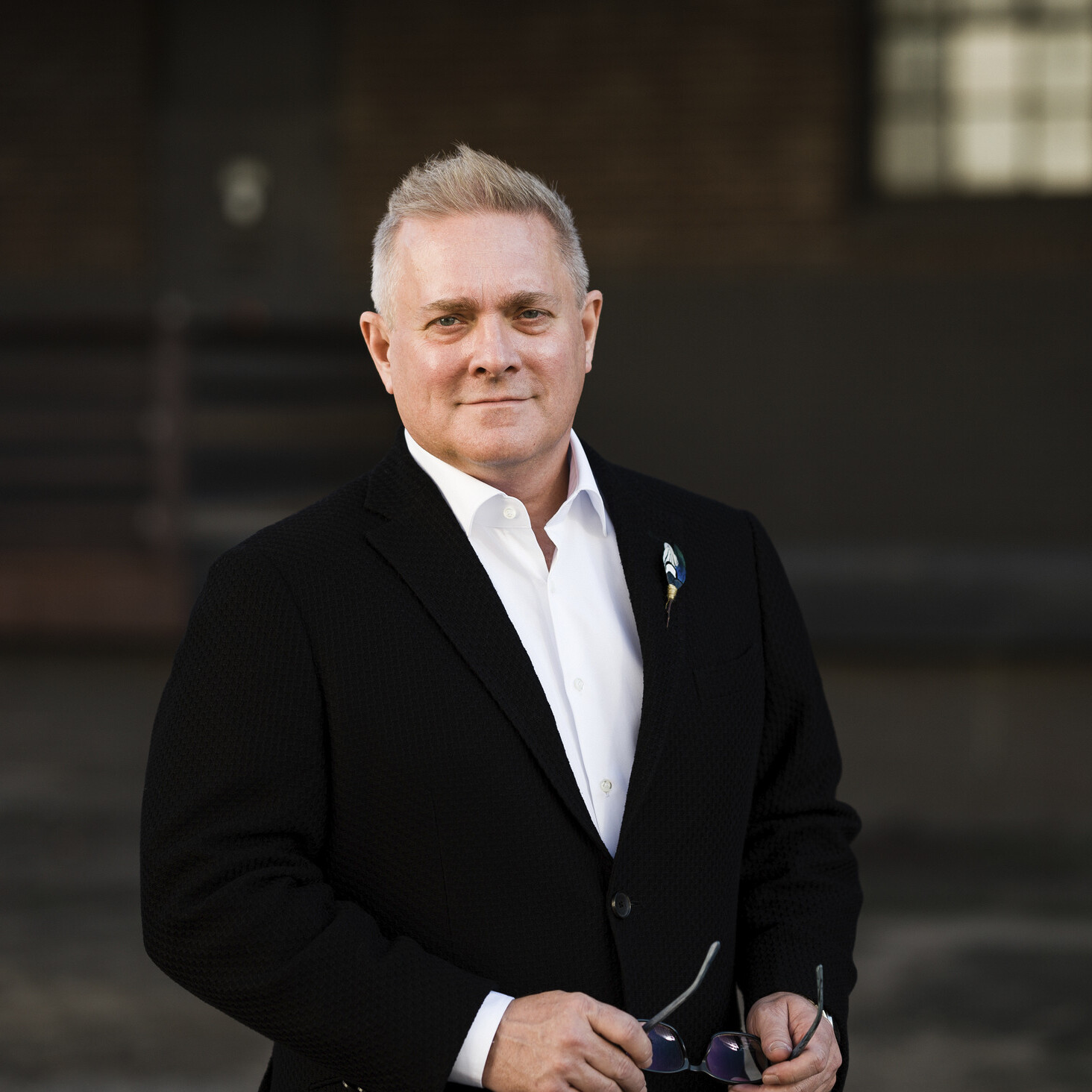
As designers, seasoned travelers, and pursuers of leisure, we’re constantly observing the shifting expectations of guests and exploring how design can respond in ways that truly engage them. At a tucked-away booth in the semi-private bar, Momentum KC, I took a moment to chat with our design leaders – Principal and Hospitality Design Leader Brian Murch, AIA, and Principal and Hospitality Interior Design Leader Valentina Castellon – about the trends shaping hospitality design today.
What became clear is whether guests are drawn to immersive outdoor escapes, bold and expressive design, or thoughtfully curated private spaces, the common thread is a desire for experiences that feel intentional, surprising, and uniquely their own.
Personalization as a Design Imperative
One of the most notable trends we are seeing is the evolution of personalization. Guests increasingly expect experiences tailored to their preferences, not only at check-in but throughout their stay. Valentina described a traveler stepping into their suite after a long flight to find the space already calibrated to their ideal temperature, their preferred scent in the air, music set to their taste, or wellness-focused minibar items curated based on pre-arrival surveys and guest-history insights. With predictive AI, she explained that personalization is no longer a perk or moment of surprise; it is becoming a fundamental expectation.
But technology alone doesn’t make this feel seamless – design does. The way we plan rooms, integrate sensors, organize storage, select materials, and choreograph arrival sequences all determines whether personalization feels intuitive or intrusive. Design creates the framework that allows these hyper-tailored moments to unfold without friction.
Mid-stay personalization is also resurging. Simple gestures – welcome notes, surprise upgrades, curated amenities, and the likes – have a renewed impact when they feel genuinely thoughtful. Valentina has observed that even small touches can create loyalty and delight, particularly when they are unexpected. From a design standpoint, these gestures thrive when spaces are flexible enough to be reinterpreted and refreshed mid-visit, whether that’s a niche for a customized amenity, a lounge that shifts from morning wellness to evening socializing, or in-room lighting scenes that update based on guest behavior.
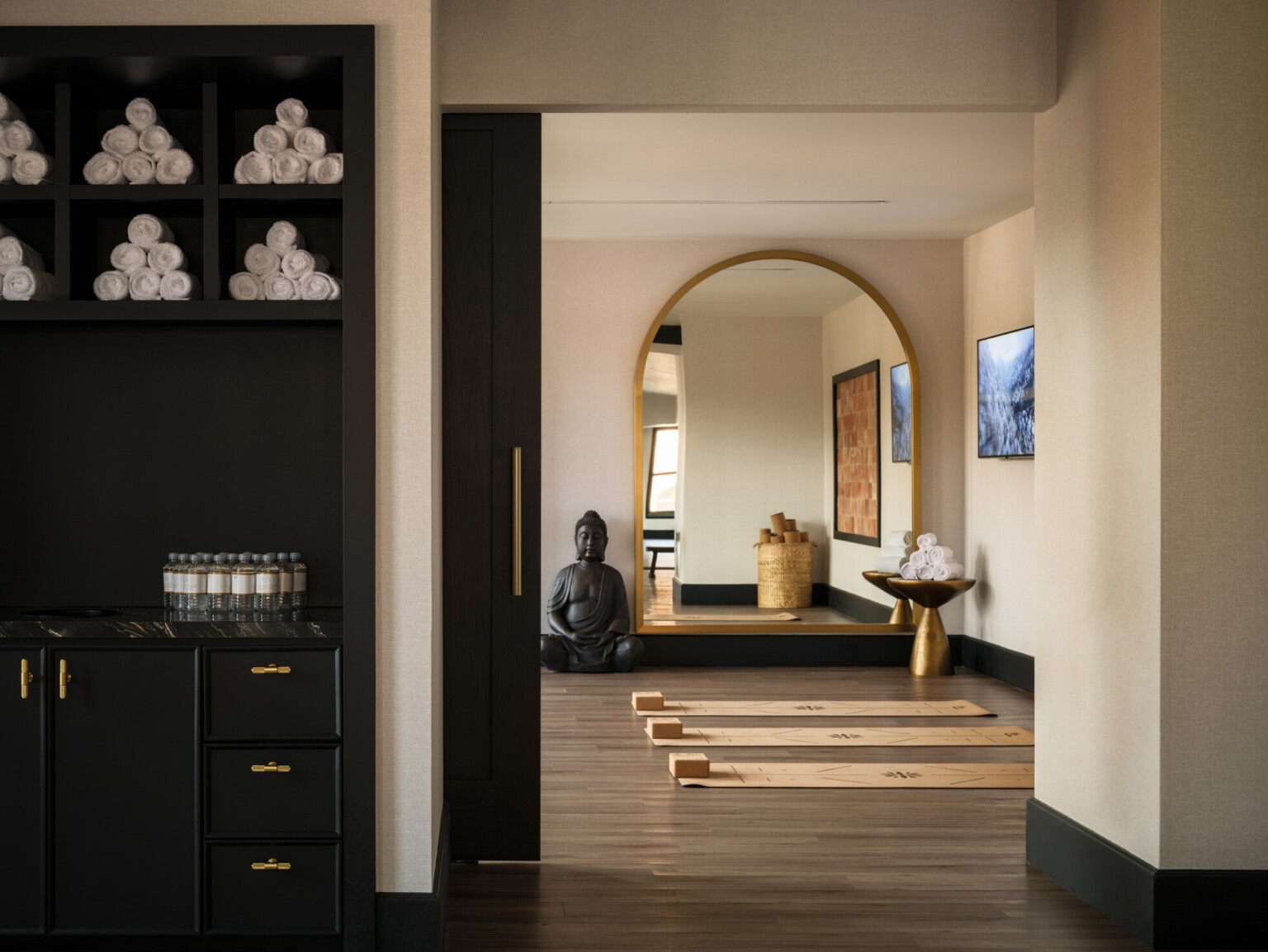
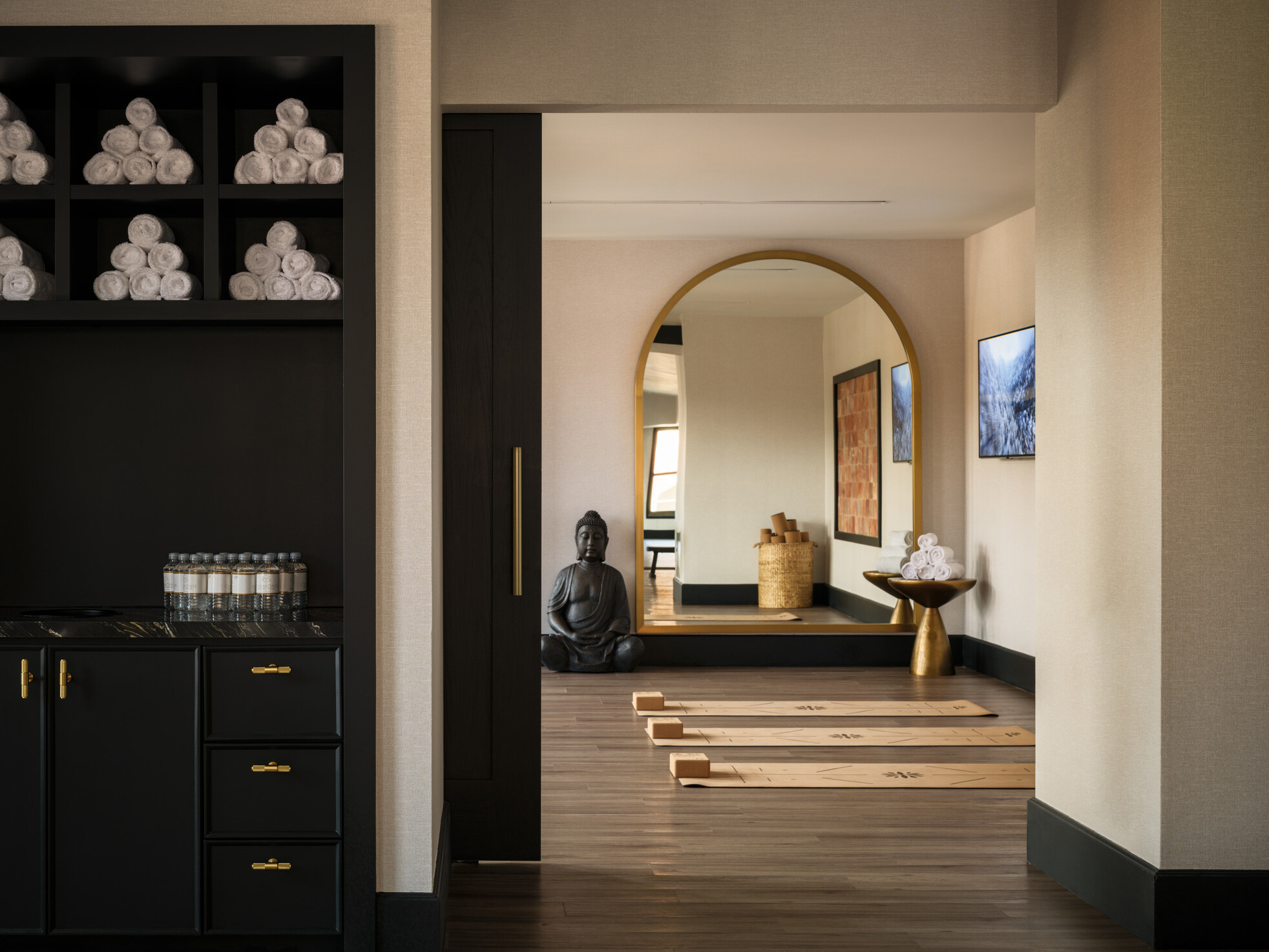
Wellness-focused personalization is rising as well. Sleep optimization programs, individualized fitness plans, tailored spa services, and dietary accommodations are no longer niche, they are expected. Design supports this shift by creating environments that adapt to guests’ rhythms: rooms engineered for restorative sleep, micro-zones for personal wellness routines, and spatial layouts that make healthier choices easier and more intuitive.
This is particularly prominent in luxury and wellness-oriented destinations, where hyper-personalized experiences are central to crafting a stay that feels deliberate, considered, and aligned with each guest’s preferences. Design becomes the quiet enabler of personalization, shaping the guest journey so that every tailored moment feels natural, elevated, and intentional.
Outdoor Adventure and the Spirit of Place
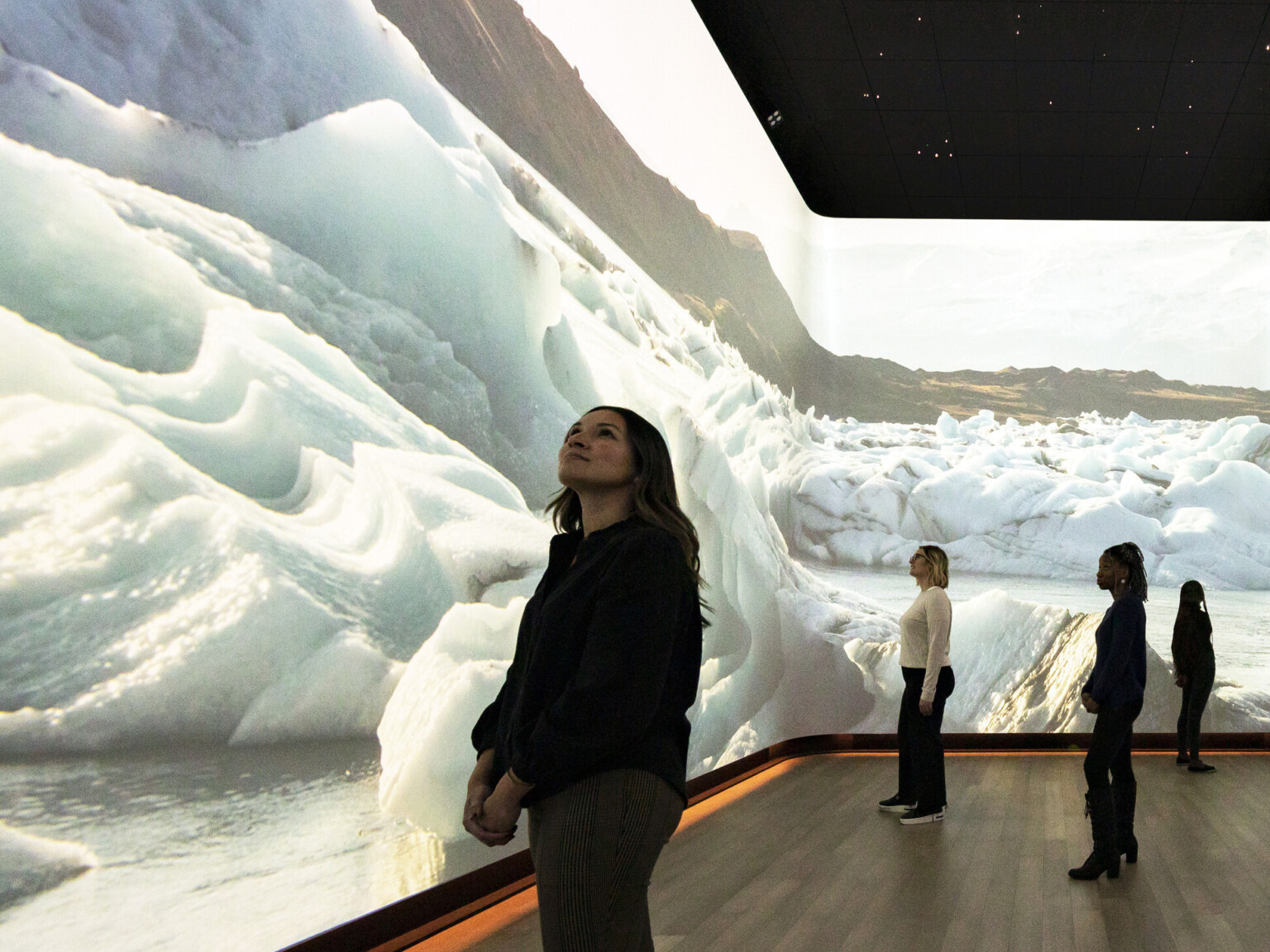
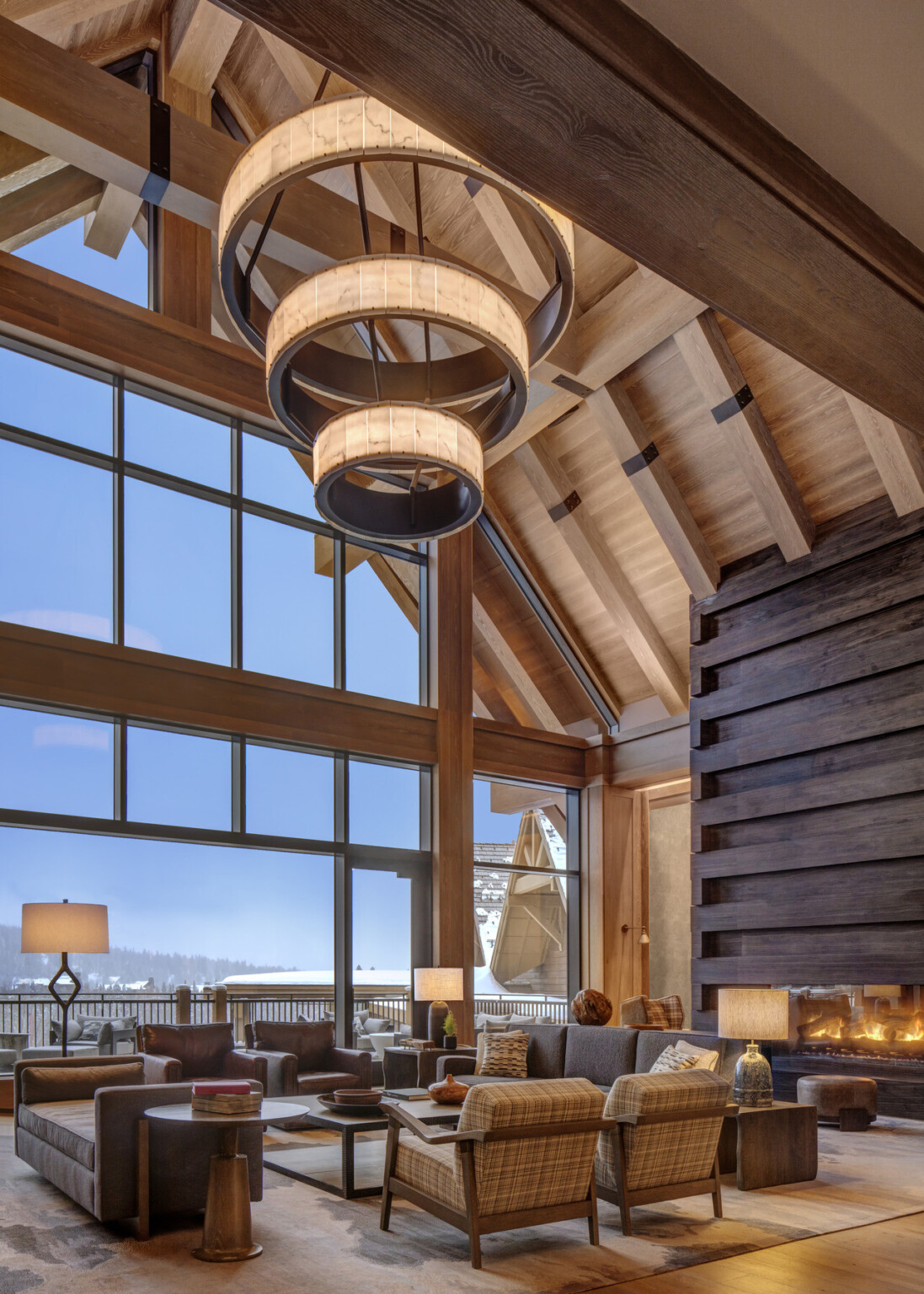
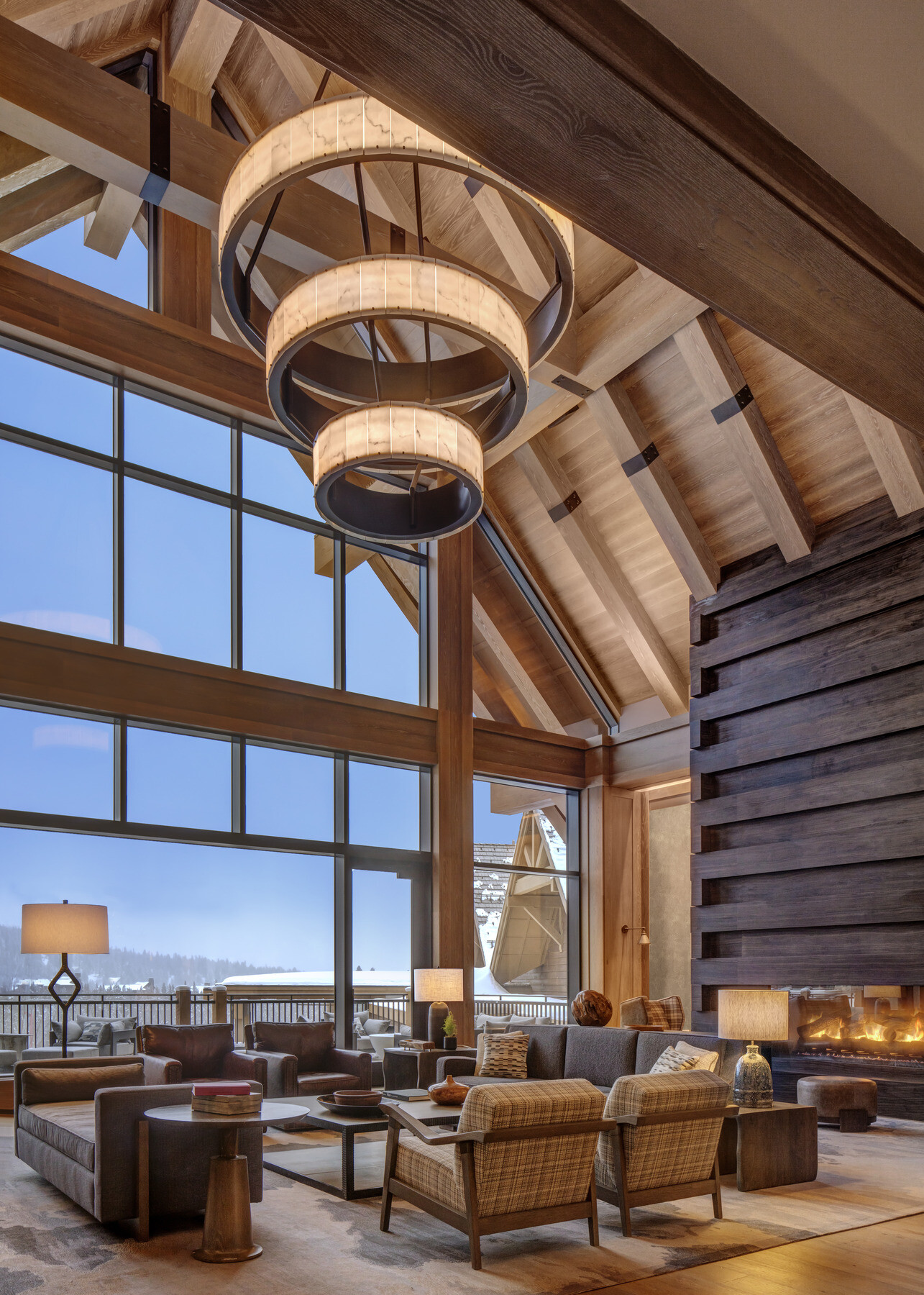
As digital fatigue grows and travelers seek intentional moments of reset, outdoor adventure is becoming a powerful draw. Guests are not simply looking for a scenic backdrop, they want destinations that help them unplug, reconnect with nature, and feel grounded in the character of a place. This shift is inspiring hotels and resorts to celebrate the spirit of place, ensuring that architecture and interiors are shaped by the land rather than imposed upon it.
In the midst of our conversation, Brian tilted his phone revealing a photo of him and his daughter out hiking, a personal reminder, he noted, that today’s travelers aren’t merely escaping the hustle of daily life. They’re seeking destinations where iconic landscapes lead the experience. This ethos defines the mission-driven brand Common Pine Hotel, where mass timber serves as both structure and story. Its renewable origins and tactile warmth invite guests into a setting where sustainability is felt, not just declared; an immersive biophilic experience that reconnects them to nature’s cycles of renewal. Each beam carries a quiet presence, adding depth and soul while reinforcing a sturdy message of stewardship.
Gravel Point, currently in concept design on the southern Oregon coast, exemplifies this approach. Set within 25 acres of dunes, shore pines, and wetlands overlooking the Pacific, the resort is intentionally planned to work with the landscape rather than reshape it. Structures are sited to preserve existing trees, frame views, and use natural landforms to create natural privacy for guests and neighbors. Subtle references to the cultural heritage of the Coquille Tribe deepen the sense of place, allowing guests to step into an experience where nature, history, and comfort converge.
Across these examples, a consistent theme emerges: travelers are gravitating to destinations where outdoor adventure isn’t an amenity but a defining narrative. Places designed to feel intentional, restorative, and deeply connected to the landscapes that shape them.
Bold and Intriguing Maximalism
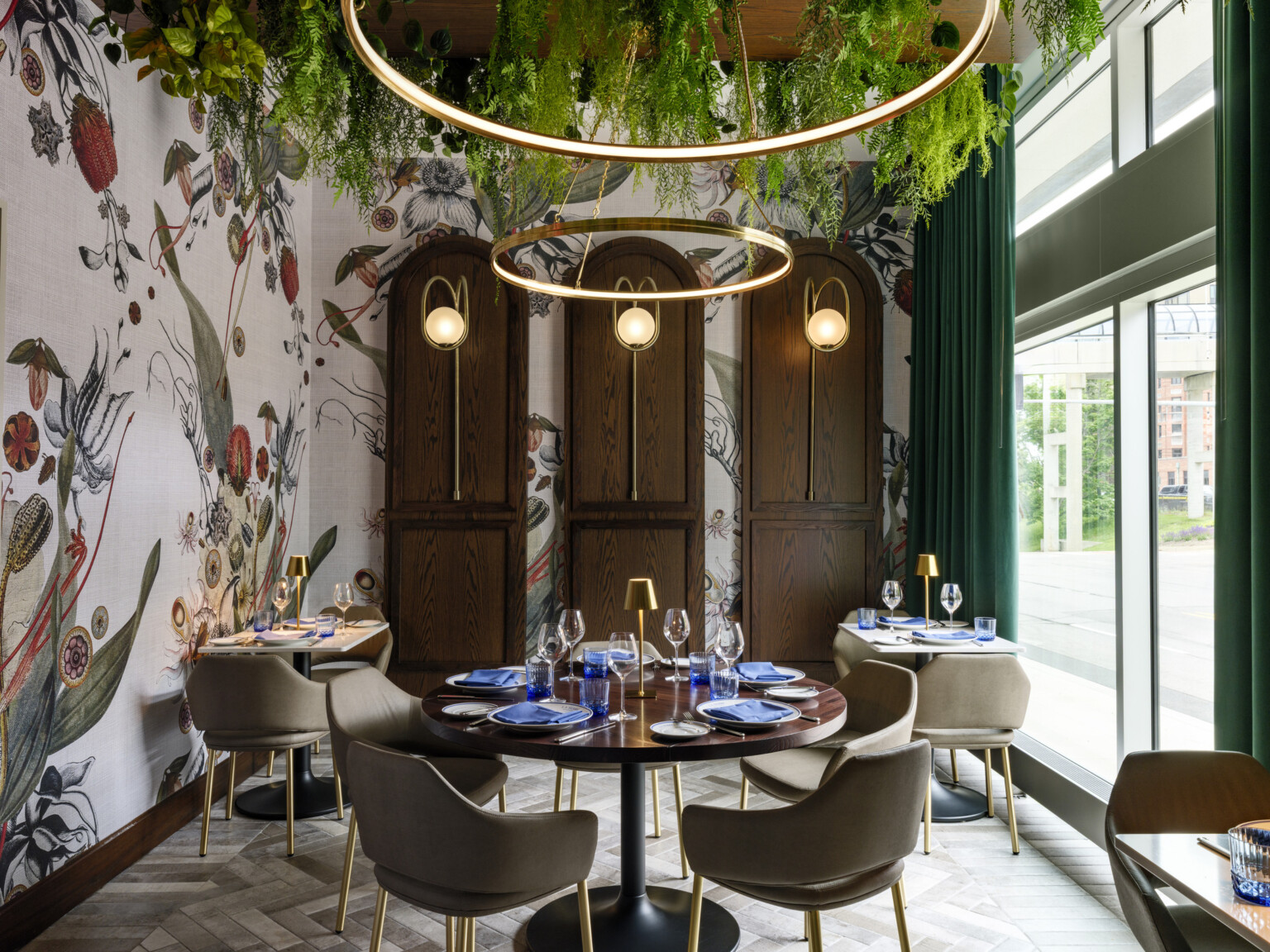
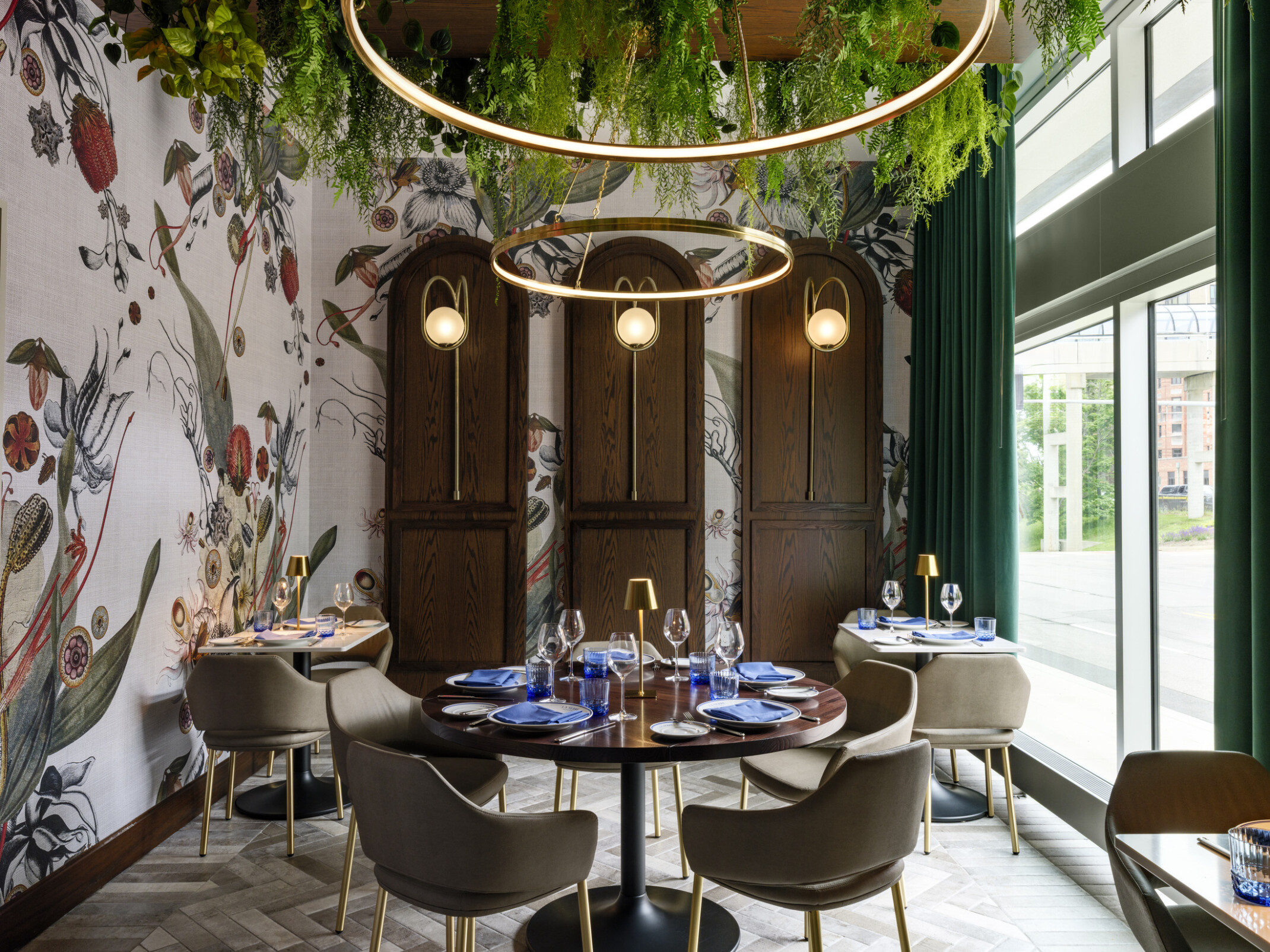
After years of calm, quiet minimalism, maximalism is back like it never left, dressed in vibrant color and ready to talk about it. Valentina shared how the style gives designers a chance to play again, creating spaces filled with intrigue, humor, and those delightful “wait, did you see that?” moments. These environments are not chaotic. They are carefully orchestrated celebrations of place, memory, and surprise.
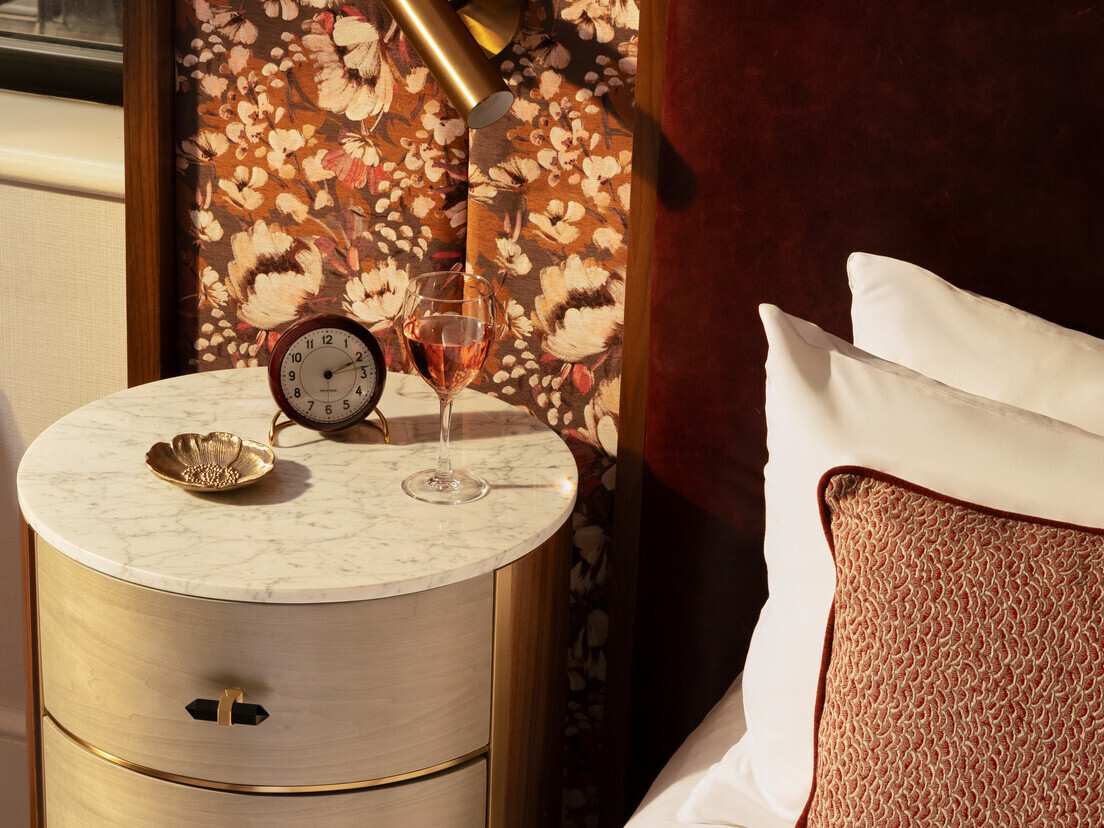
Brands like Graduate Hotels have championed this return to bold visual storytelling, and Valentina explained how this approach is shaping the Graduate Syracuse project at Syracuse University currently in design. Rich hues and unexpected pattern pairings are being curated to reveal a layered narrative about the university and its lesser-known stories. Maximalism, she noted, gives designers the opportunity to create worlds where every pattern, material, and object holds a secret and rewards those who look a little closer.

Members-Only Experiences and Curated Exclusivity
Private, members-only spaces are on the rise, driven by guests’ desire for curated exclusivity and meaningful social connection. These destinations succeed not simply through selective access, but by creating experiences that feel personalized, aspirational, and memorable. Hyper-focused clubs, whether oriented around longevity, lifestyle, or leisure, are thriving. Designing these spaces requires balancing social energy with privacy while crafting environments that support discovery, comfort, and connection.
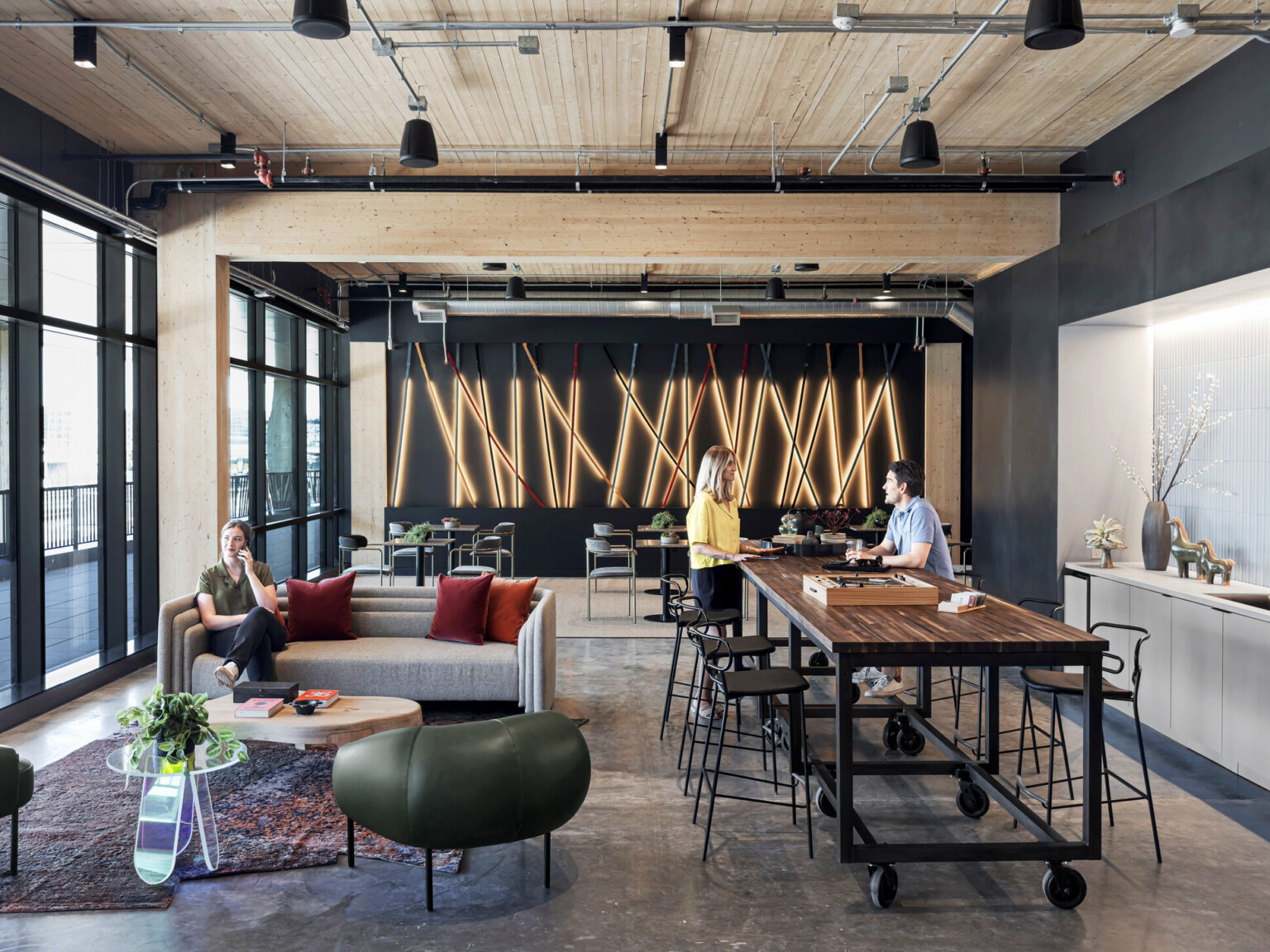
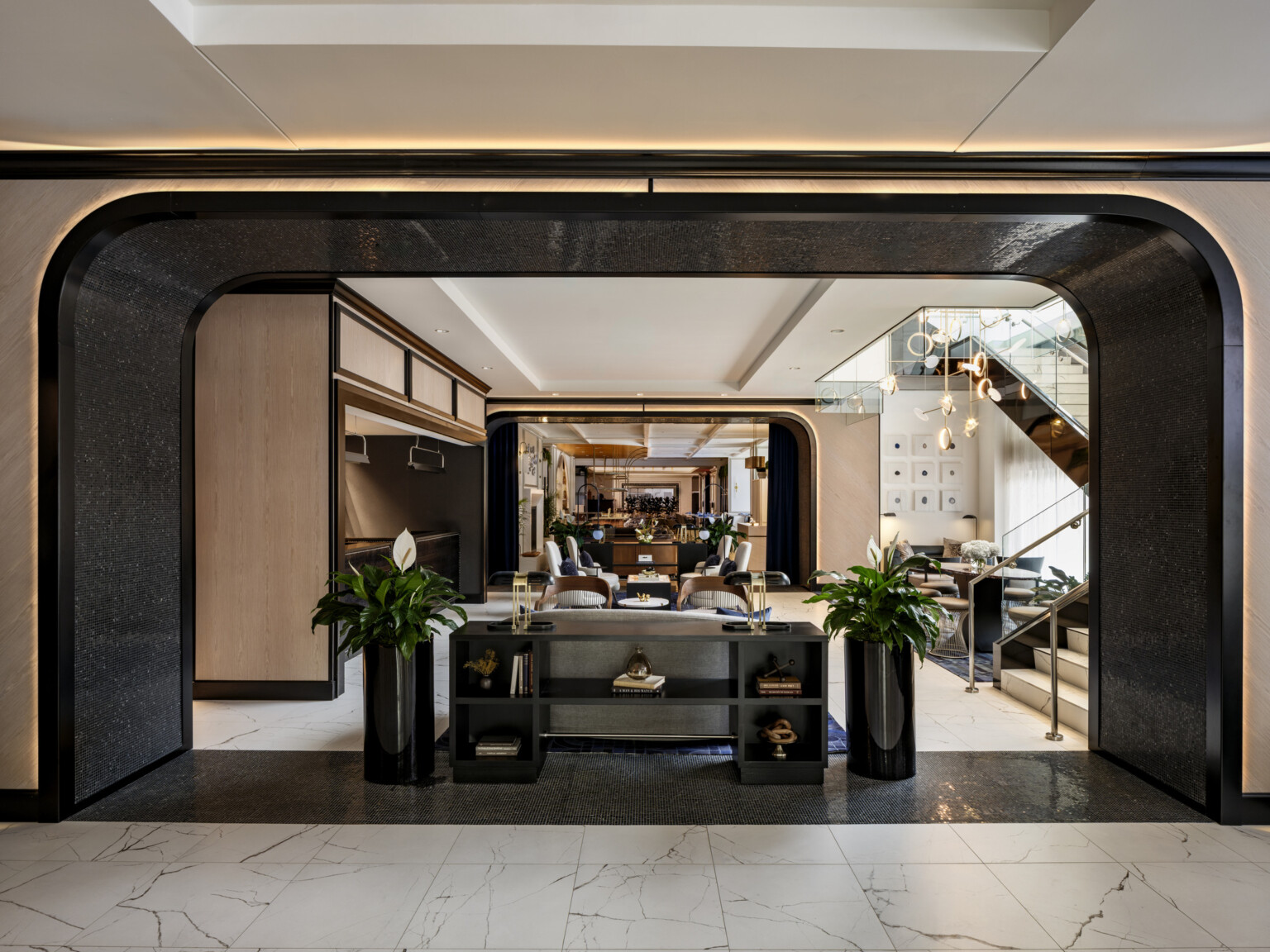
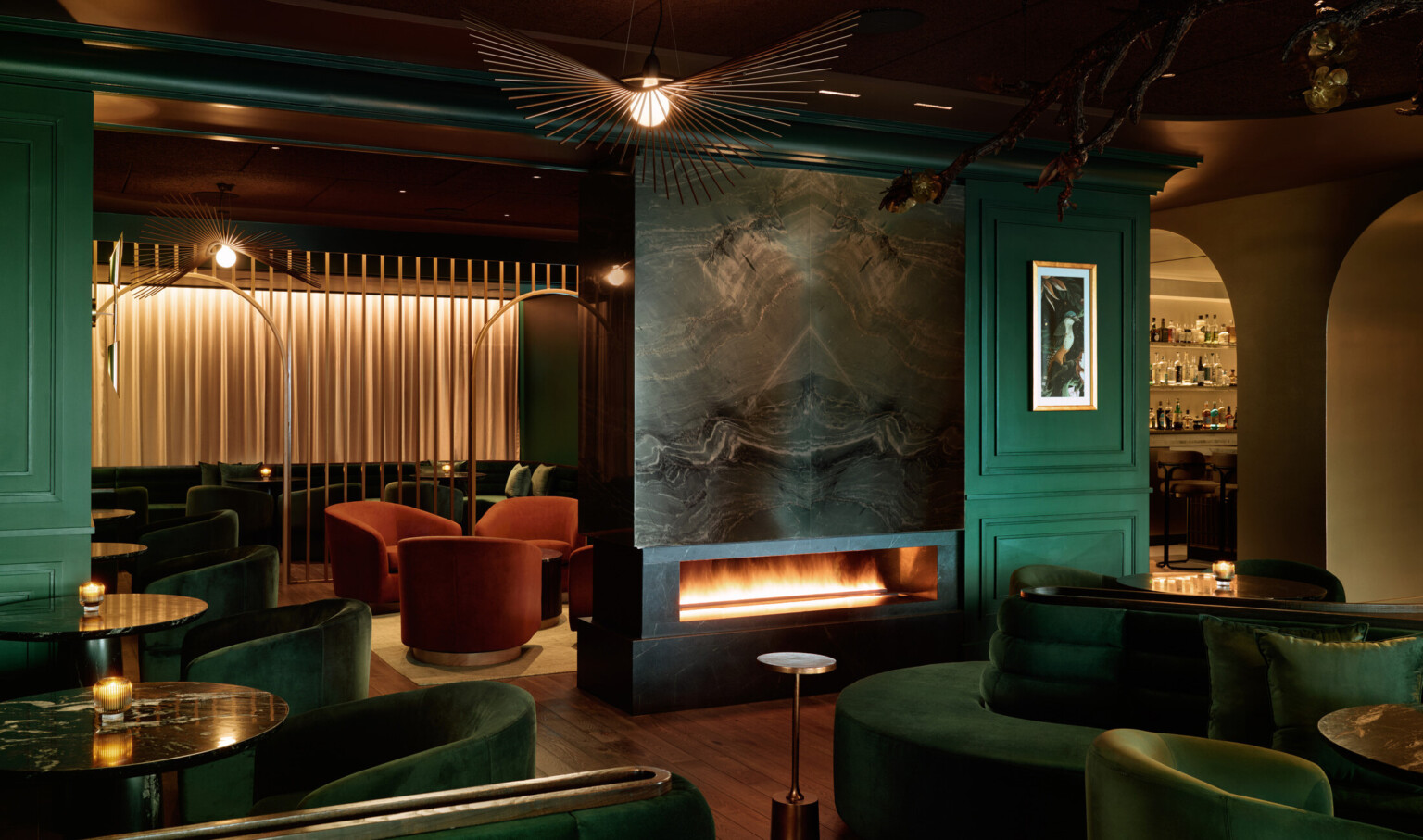
Brian gestured to our current setting, the members-only rooftop bar Momentum KC, to illustrate how these principles translate into real spaces. Elevated high above Kansas City’s Country Club Plaza, the signature lounge blends intimacy with sophistication. Organic forms, rich materials, and carefully curated details create a space that feels both exclusive and inviting. Thoughtful touches like members’ lockers allow guests to reserve and store their preferred spirits for future visits, infusing the space with a tailored sense of personalization and ritual. From fluted tile that evokes wings in flight to deep velvet seating and panoramic terrace views, every design element contributes to a narrative of exploration and connection. Momentum KC demonstrates how a members-only environment can deliver a fully immersive experience that is personal, considered, and leaves a lasting impression.
As we’ve shared through our conversations and experiences, hospitality design in 2026 is all about creating moments that feel purposeful, surprising, and unmistakably tailored. Whether guests are seeking a reset in nature, a bold and expressive environment, or a private, curated retreat, design sets the stage, while operators orchestrate the moments that make each experience feel fully realized. For designers, the challenge – and the fun – is to shape spaces where every detail contributes to an experience that feels intentional, memorable, and distinctly connected to the guest.
Learn more about the projects shaping the future of hospitality design.
Ideas
Recommended Reads