Experience, Purpose, Wellbeing: Mixed-Use Design Trends for 2026

For more than a decade, our world has been accelerating. Cities are stretching in every direction, technology is advancing faster than we can absorb it, and information is saturating every moment of daily life. Now, people are hitting pause. They’re redefining balance, prioritizing experience, purpose, and wellbeing. It’s a cultural reset rooted in a simple question: What kind of places actually support a healthy and meaningful life?
For mixed-use destinations, this recalibration is reshaping expectations. People want neighborhoods that function as everyday ecosystems, where work, recreation, retail and nature coexist within a short walk or ride. They’re seeking places that feel human and environments that help them slow down, breathe, and reconnect.
Design is responding by creating hyperlocal districts, embedding wellness into daily routines, and shaping spaces that tell real, not manufactured stories. These aren’t passing trends. They reflect a fundamental return to what people value most: community, belonging, and the restorative power of place.
The Hyperlocal Ecosystem
Cities are evolving toward a more human scale. People want neighborhoods where daily needs sit close to home, movement is intuitive, and nature becomes part of everyday life. Proximity matters not only for convenience, but because it strengthens wellbeing, community ties, and time spent on what improves quality of life. Future communities aren’t defined by scale, but access.
For developers, this shift translates into a new planning priority: build mixed-use districts that function as hyperlocal ecosystems, where design responds directly to the culture, history, and daily rhythms of the surrounding community. This means understanding what people value and shaping program, circulation, and identity around those needs.
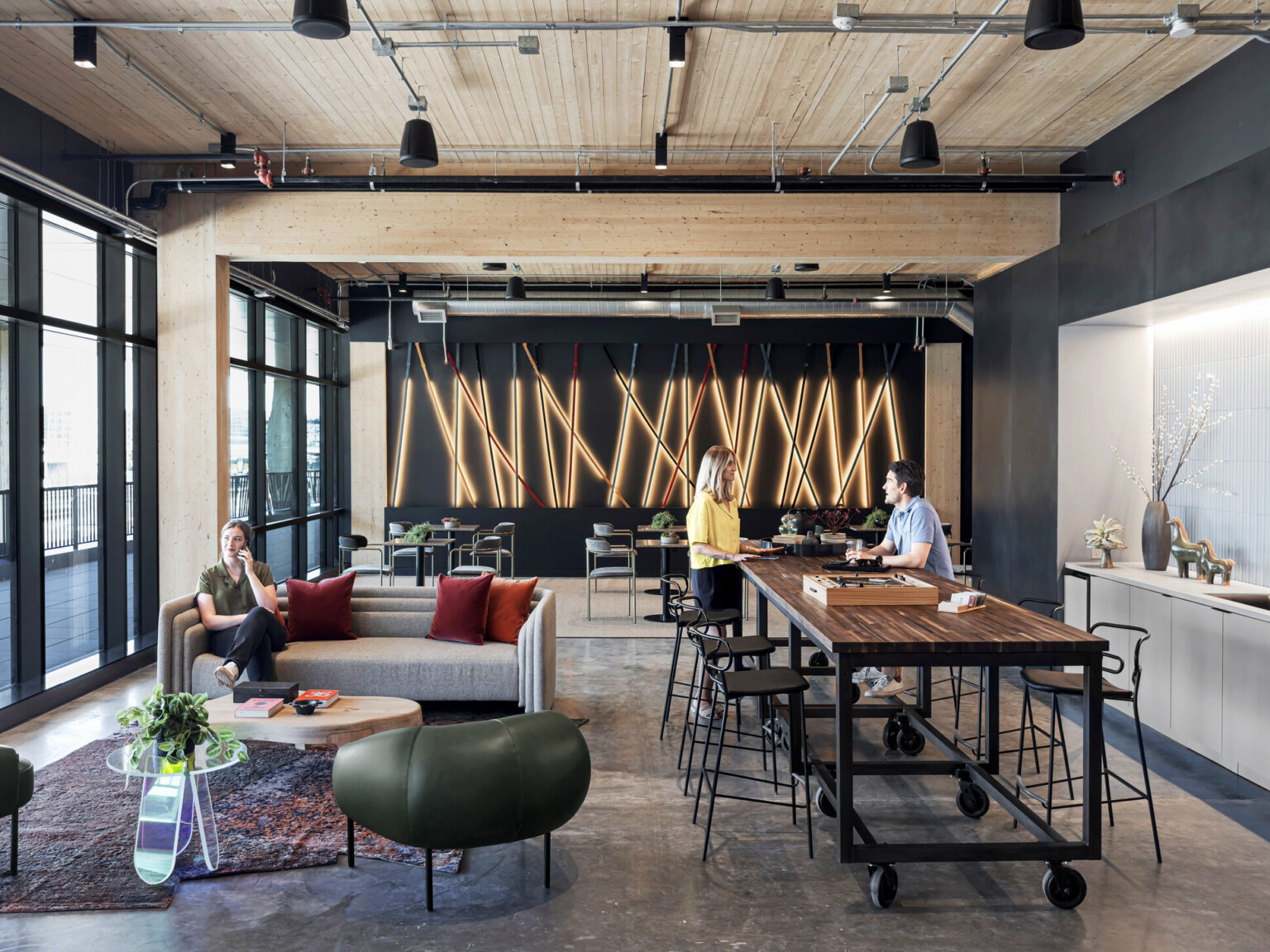
At Port of Vancouver USA’s Terminal 1 in Washington, the riverfront development leans into the site’s waterfront heritage. The broader program – hospitality, office, retail, dining, public open space, and future residential and marketplace phases – creates a walkable district that reconnects the people to the Columbia River. Within this vision, Blocks A & C introduce two mid-rise office buildings with ground-floor retail. The two are linked by The Launch, a pedestrian corridor that invites the community to work, meet, or simply take a breather throughout the day. Anchoring the hospitality experience, the AC Hotel Vancouver Waterfront, also designed by DLR Group, serves as one of the first built pieces of the larger master plan. Together, these elements transform a former shipping terminal into a hyperlocal ecosystem that blends work, leisure, heritage, and access along the urban waterfront.
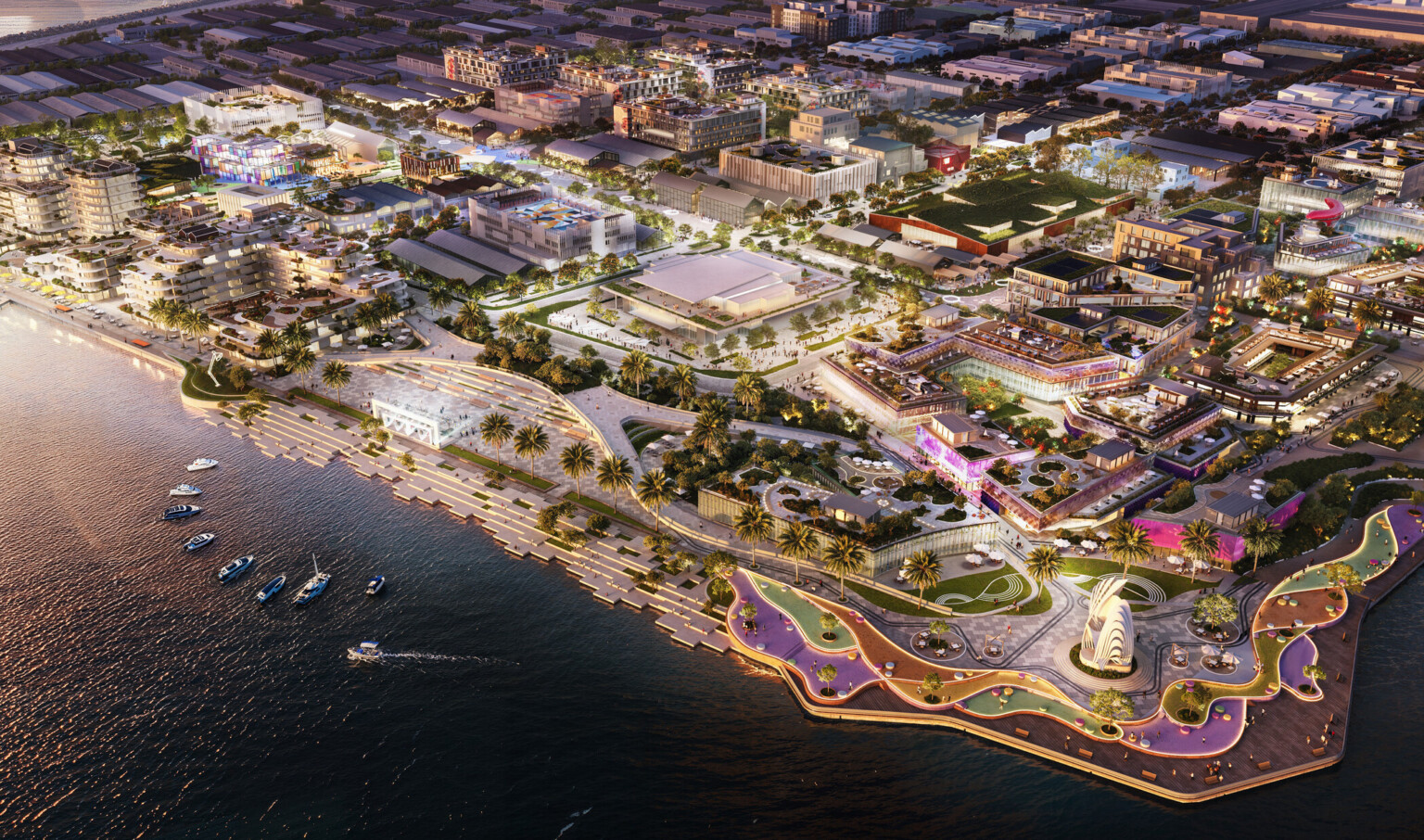
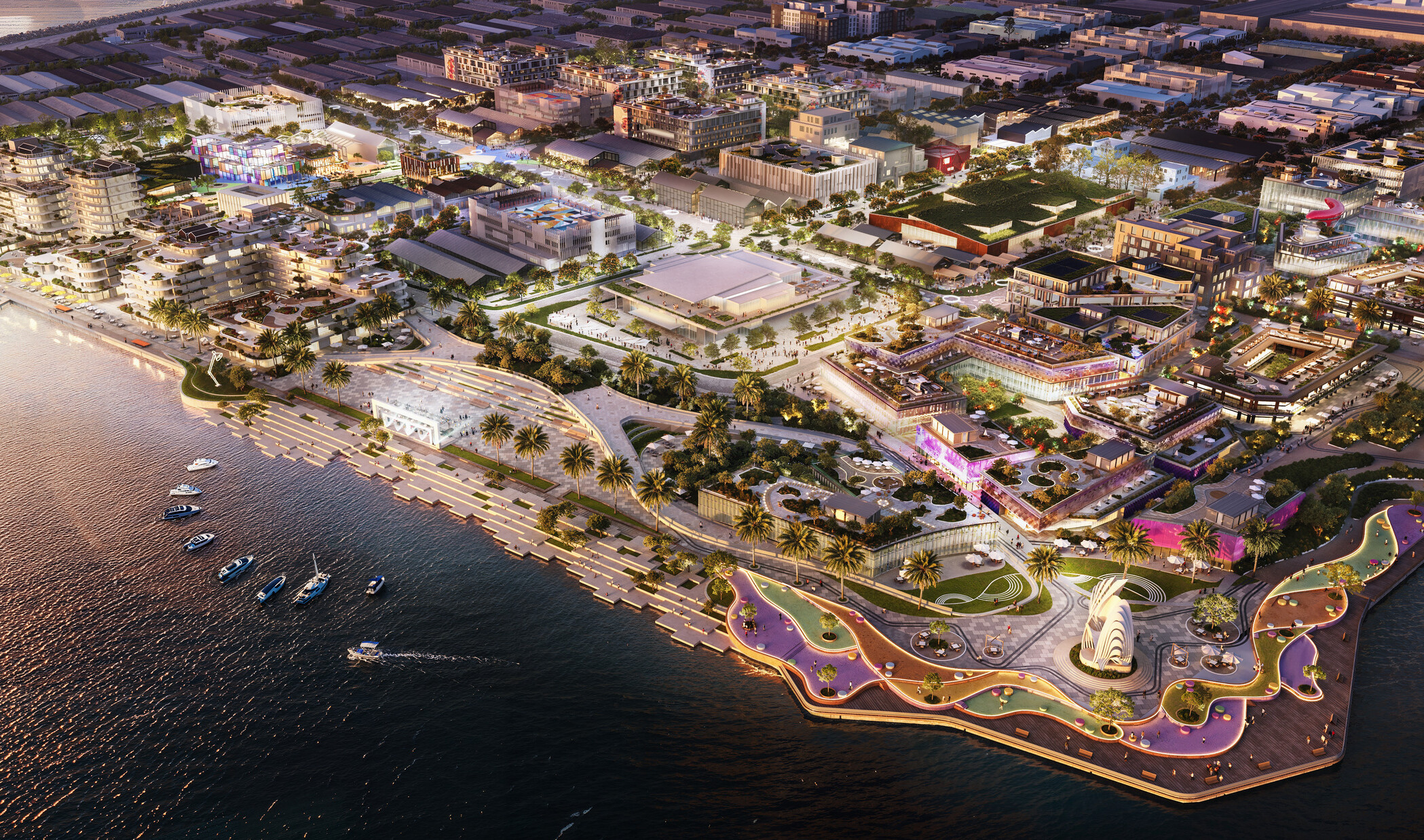
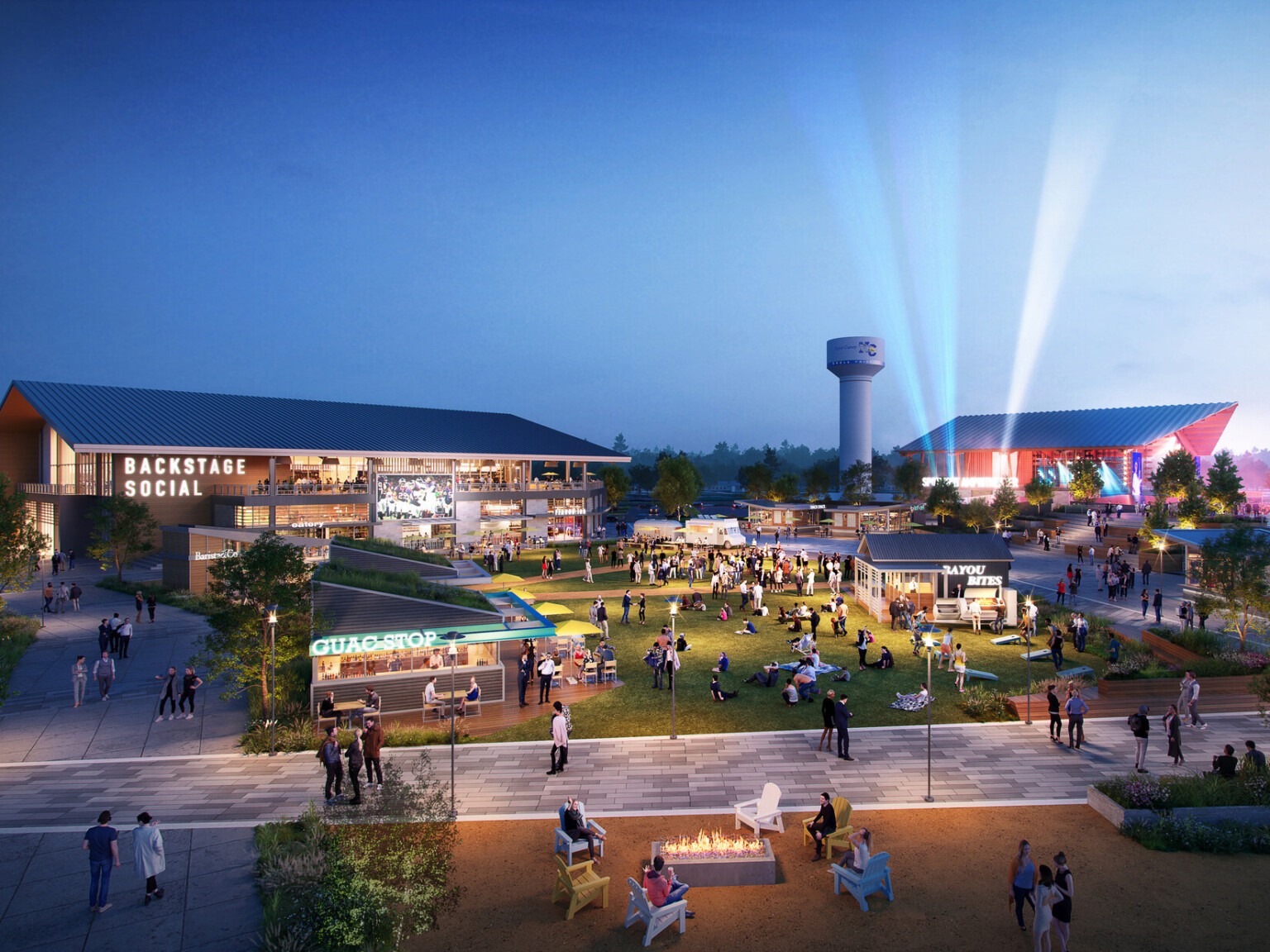
MiZa reimagines the historic Mina Zayed port, evolving unused warehouses and industrial land into a lively arts and innovation neighborhood rooted in Abu Dhabi’s cultural DNA. The vision connects gathering spaces, retail, and creative hubs through a continuous pedestrian experience that honors the district’s original urban fabric. By building on what already exists, MiZa shows how hyperlocal ecosystems can emerge from authentic history, community energy, and everyday movement patterns.
These examples demonstrate that a hyperlocal ecosystem is not only about walkability. It is about creating 24-hour environments where living, working, and social life operate as one integrated system. It is about delivering convenience without sacrificing character and offering community without requiring distance. When proximity becomes the driving force of design, then health, access, and connection become an effortless part of everyday life.


Elevated Living
For the next generation of renters, living well looks different. You can see this shift clearly in Core Spaces’ Hub on Campus communities, where belonging, balance, and wellbeing shape the student living experience. Across markets like Bloomington, Indiana, and Fullerton, California, residents gravitate toward environments that help them manage stress, connect socially, and build healthy routines.
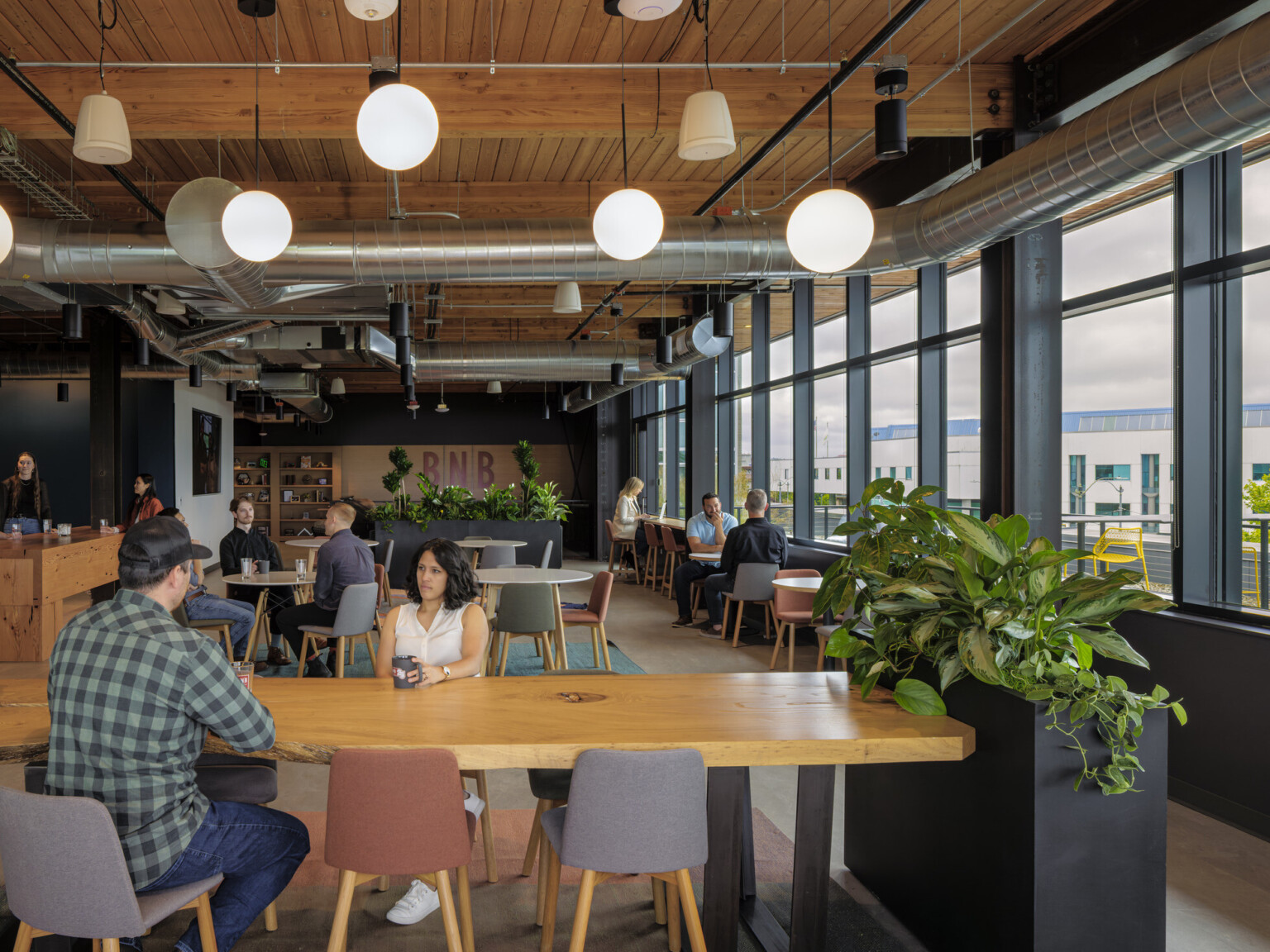
Hub Bloomington exemplifies this shift. Its hospitality-forward design layers collegiate spirit with spaces for focus, restoration, and play; from quiet study niches and library-inspired lounges to activated social zones, rooftop retreats, and fitness environments grounded in movement and energy. Natural light, layered textures, and subtle, familiar touches make the spaces feel personal and comfortably inhabited.
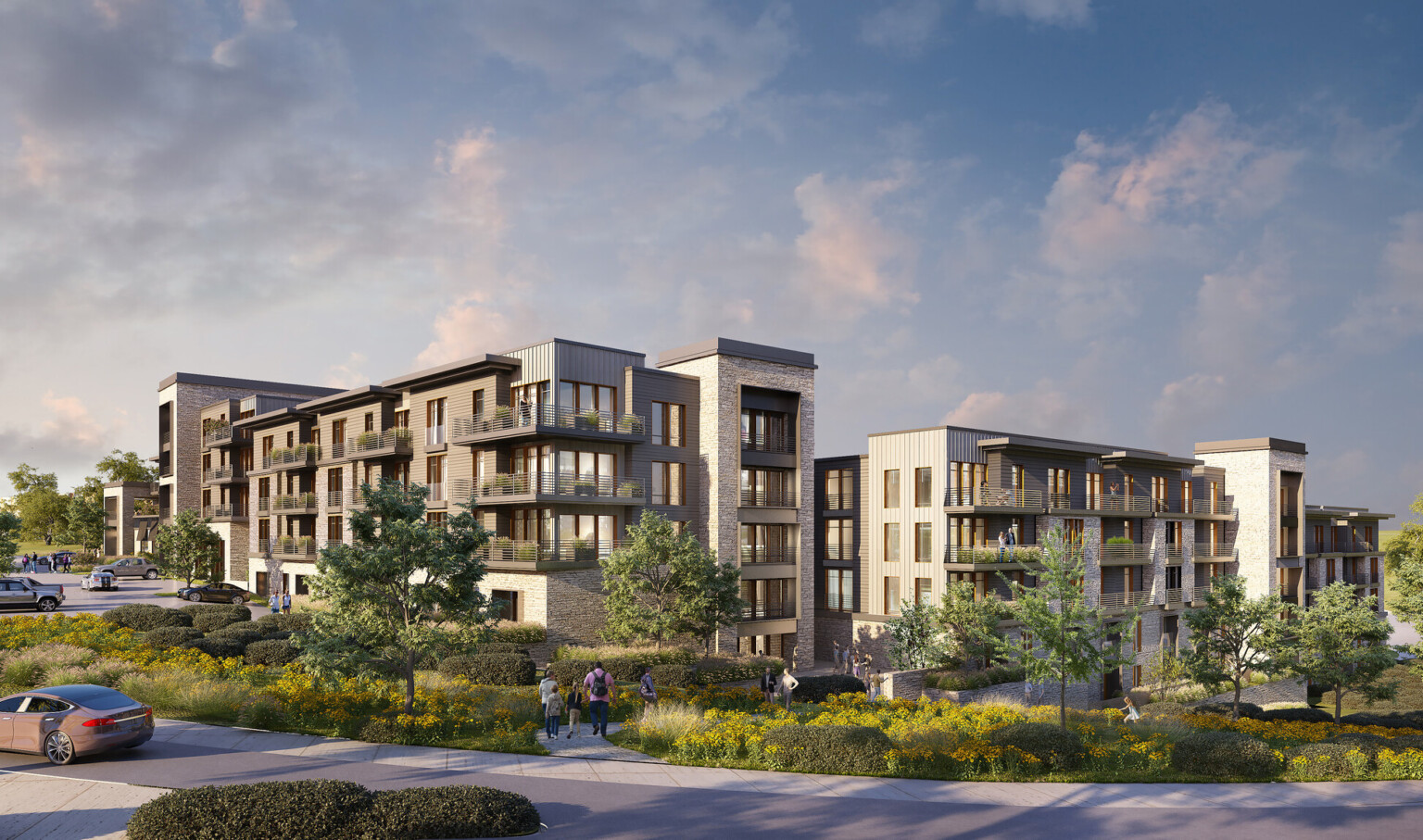
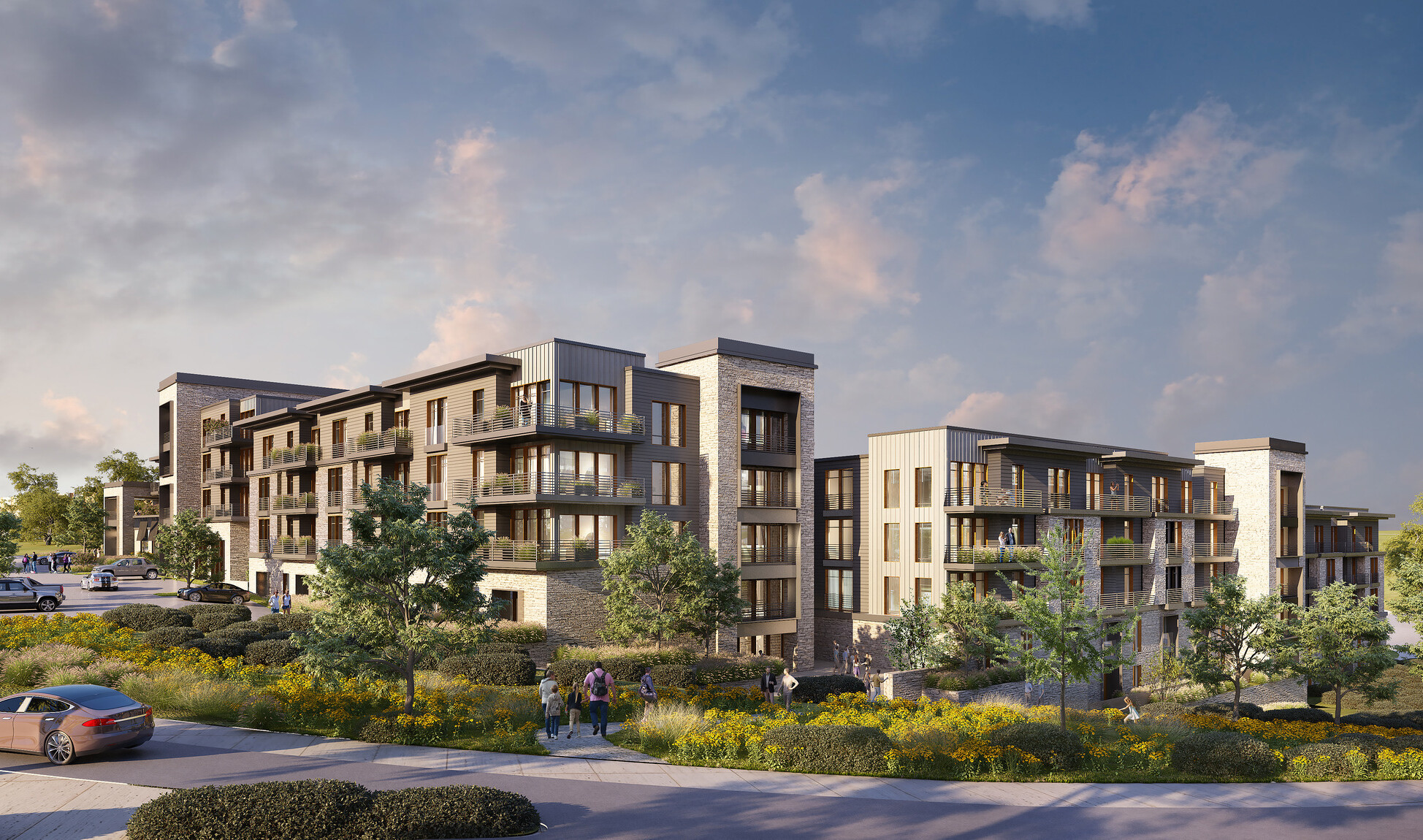
These insights extend beyond student housing. The Rocks in Roeland Park, Kansas, translates similar principles to multifamily living, offering 287 units wrapped around resort-style amenities, including a central courtyard, club spaces, coworking areas, and a first-floor restaurant. Wellness and community are embedded in both design and programming, with terraced architecture and outdoor gathering spaces that respond to the surrounding landscape, creating a place where residents can live, work, and socialize in balance.
From Storefronts to Storyfronts
Retail is no longer just about transactions. People increasingly want environments where they can gather, explore, and engage, and this shift is redefining how aging retail centers are renewed and made relevant again.
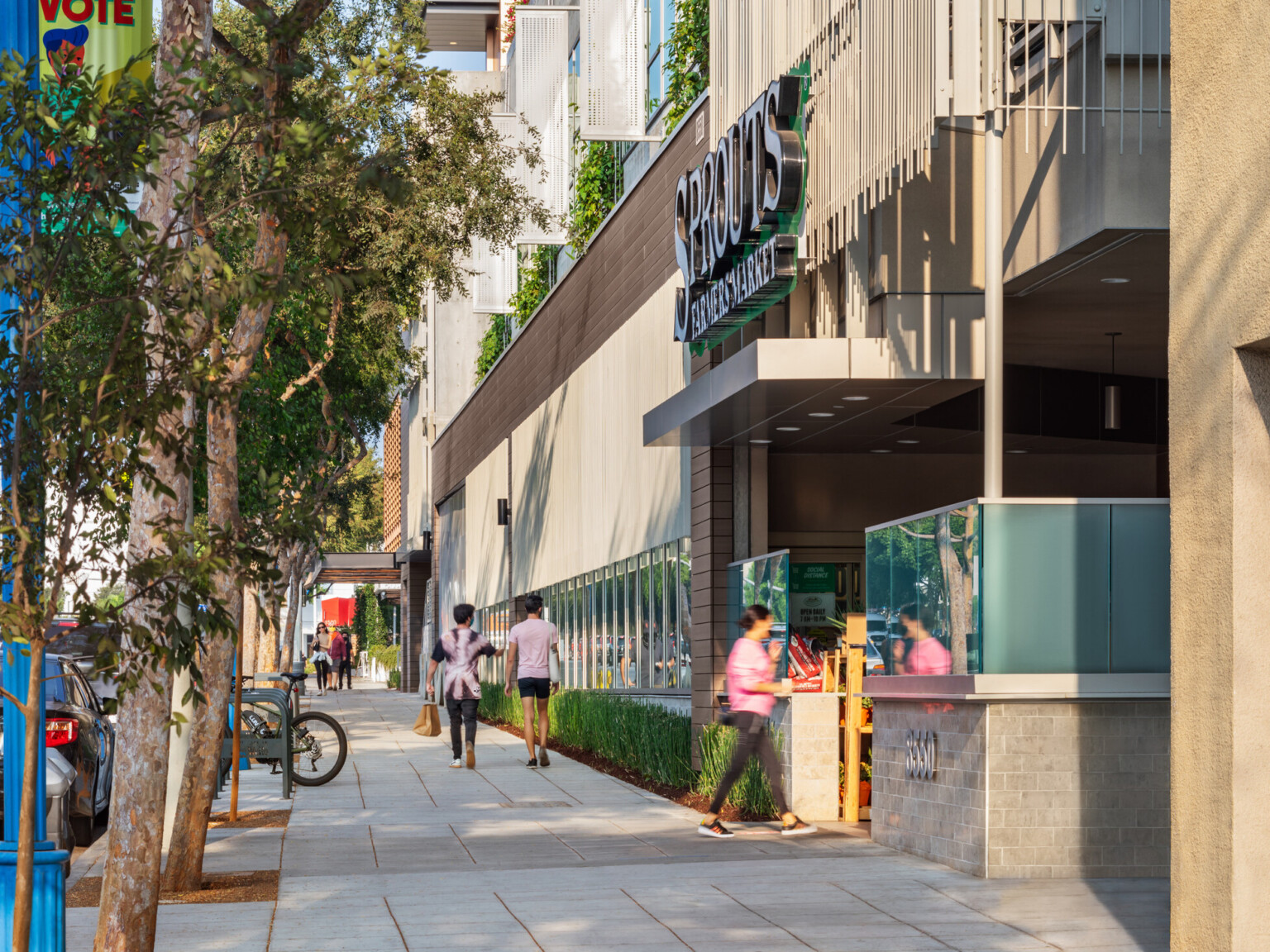
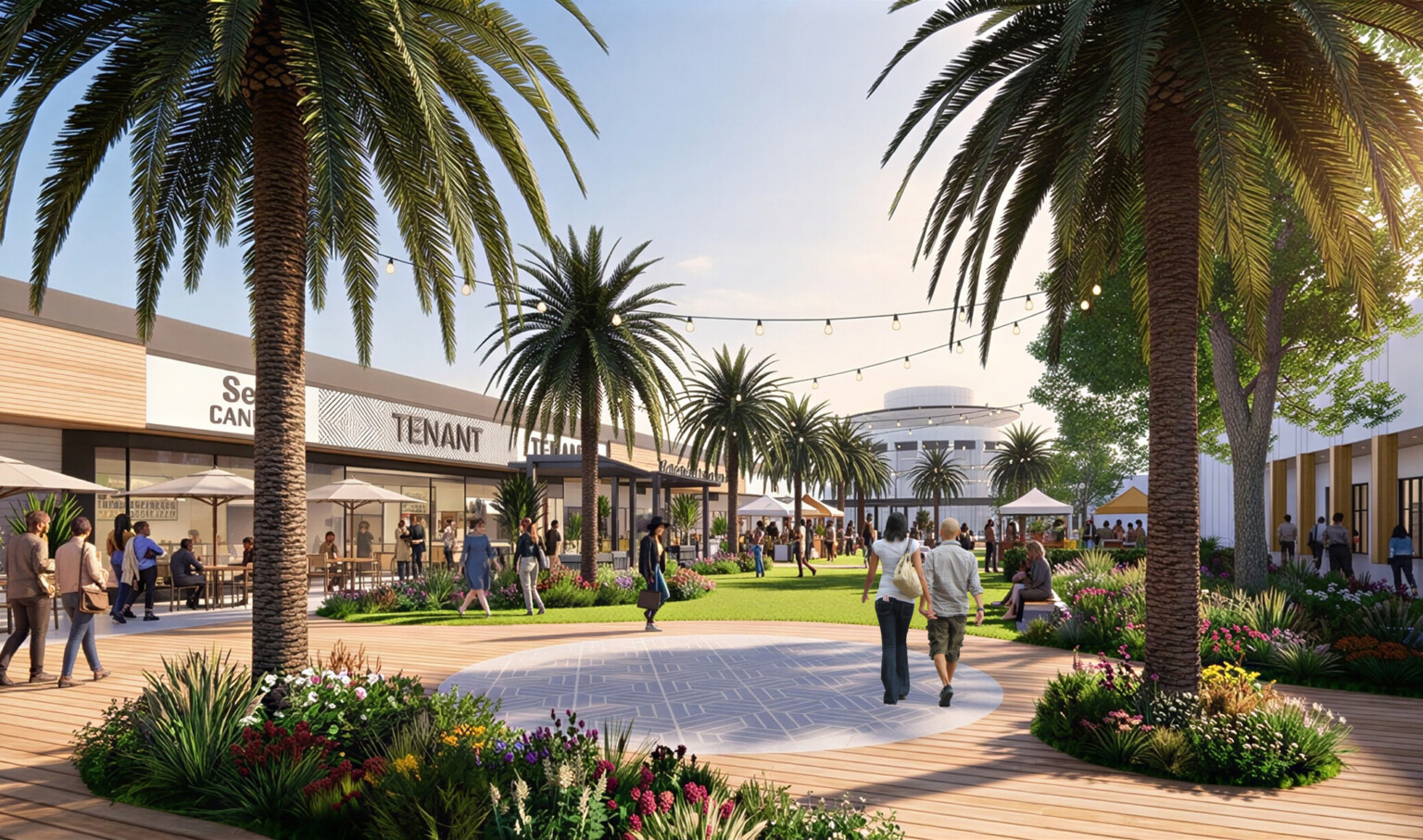
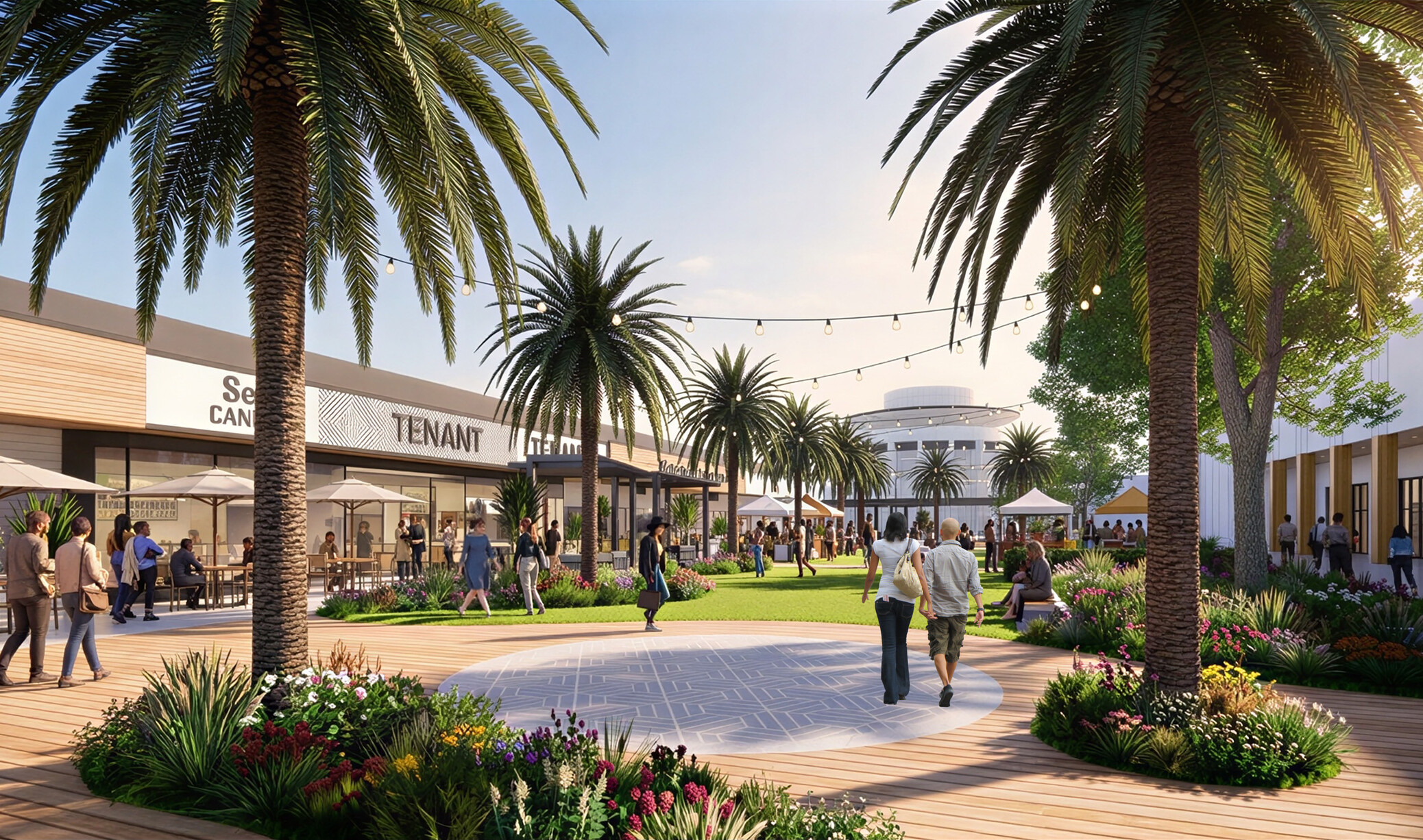
Grossmont Center, originally built in 1961 as La Mesa’s largest development, illustrates how retail can be reimagined for today’s community. Facade renovations, refreshed storefronts, and activated open spaces create a cohesive environment where dining, retail, and gathering happen seamlessly. Each storefront and public space becomes a touchpoint for local character, from the materials and colors inspired by the mesa landscape to opportunities for local retailers, artists, and community partners to shape the experience. Guided by the mesa topography, its pathways and plazas lead visitors through the site while honoring La Mesa’s landscape and community character. Social zones invite exploration and connection, reinforcing the center’s role as a hub for people of all ages.
By prioritizing placemaking and local context, retail renovations like Grossmont Center demonstrate how retail environments can evolve into destinations that support both commerce and community. Ultimately, this serves to rewrite their story to serve the people who define them.
The Takeaways
The common thread is clear: people are seeking spaces that support wellbeing, spark connection, and reflect the character of their community. From streets to homes to retail, meaning emerges in how environments shape everyday life.
For designers and developers, this is a moment to rethink how mixed-use districts are crafted. Success will be measured not by scale or speed, but by the richness of experience and the strength of connection. Thoughtful integration of living, working, recreation, and community can create neighborhoods that feel cohesive, purposeful, and restorative.
Across housing, public spaces, and retail, emphasizing proximity, cultural authenticity, and wellness lays the foundation for places people value and return to. After acceleration comes alignment; a chance to design environments that support life, connection, and community for generations to come.
Learn more about the projects and approaches shaping the future of mixed-use design.
Ideas
Recommended Reads