The Tide Pool: A Design Philosophy for Emergency Operations Centers

Mallory Scott Cusenbery
AIA
Justice+Civic Design Leader
Mallory leads design for key public safety and civic projects and is known for context-sensitive urban design and large-scale specialized building types.
Email 707-996-8448A major storm shuts down a highway and causes widespread power outages. A wildfire jumps a road, threatening homes, businesses, and public safety. In situations like these, field teams fan out while a smaller group convenes in a dedicated operations hub to keep the emergency response moving, share real-time updates, set priorities, and decide what happens next.
That hub is an emergency operations center, or EOC. It’s where agencies come together to run the response to a major incident. Data converges, priorities are set, and resources are deployed where they are needed most. In plain terms, it’s the room where a community turns information into action, fast.
Increasingly, EOCs are being asked to stretch further as events and conditions change fast. More incidents overlap, more systems are connected, and more people need the same shared picture. In one activation, the room may include emergency management, public safety, private resources and stakeholders, GIS, logistics, public health organizations, and elected leadership.
The crew shifts with scale. At the city level, the table often centers on police, fire, EMS, and city departments. At the county level, coordination widens to partners like public works, transportation, utilities, and public health. At the state level, the room expands to statewide agencies and, when needed, federal partners like FEMA and neighboring states. The framework stays consistent. The size of the conversation changes. So does the pace.
A helpful image is a tide pool. The rocks stay put. The water changes with each wave. Picture a wave crashing in, depositing new sea life into the same pool of rocks. Minutes later, another wave hits, and the mix changes again. That is the character of an EOC. The fixed part is the space and systems. The changing part is the stream of people, data, and decisions that arrives with each new event. The goal is steady hands through the changing tide, so the community can weather the storm.
Tide pools in practice
Three very different facilities show how the “rock” and “water” play out in real activations.
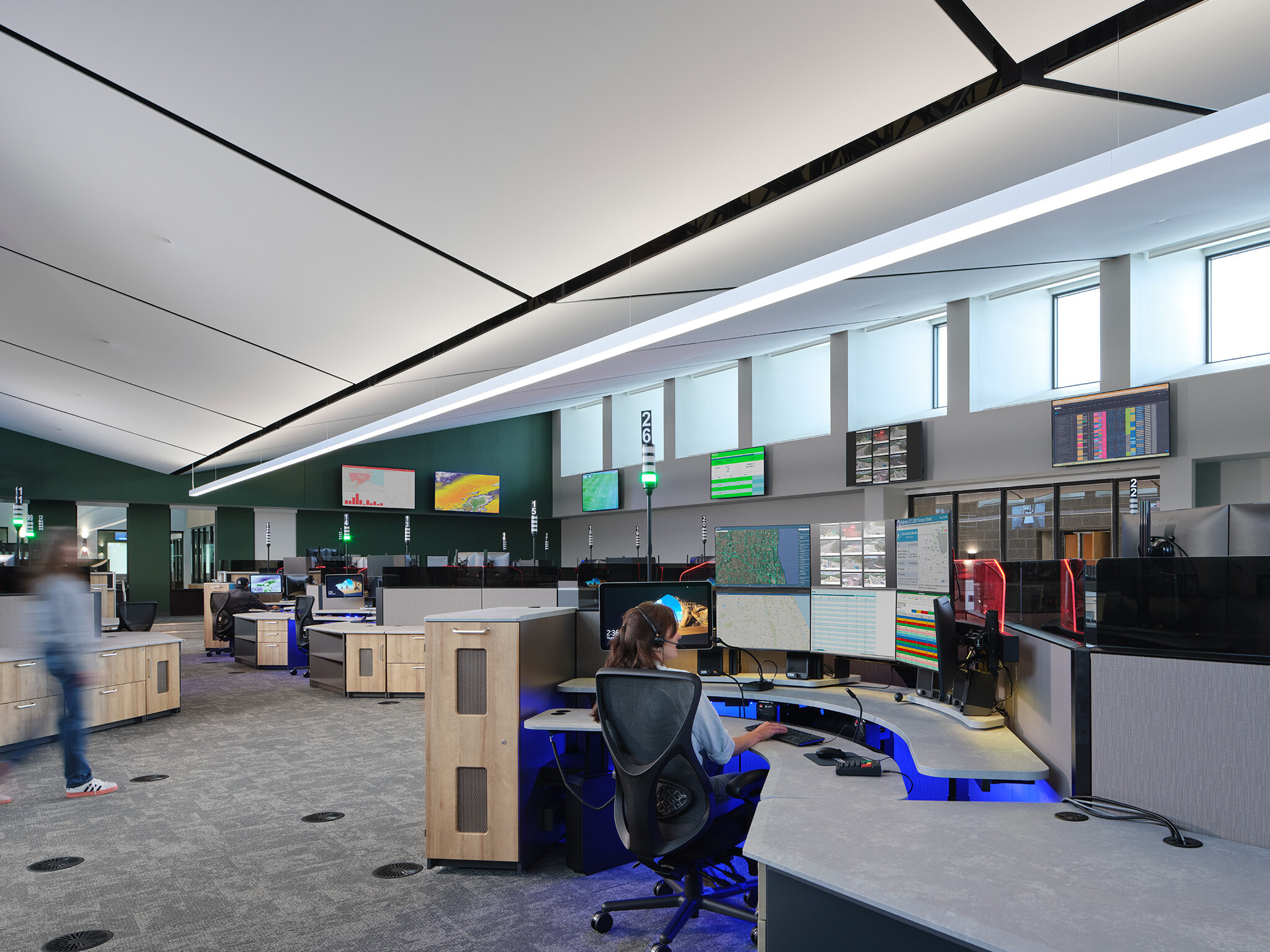
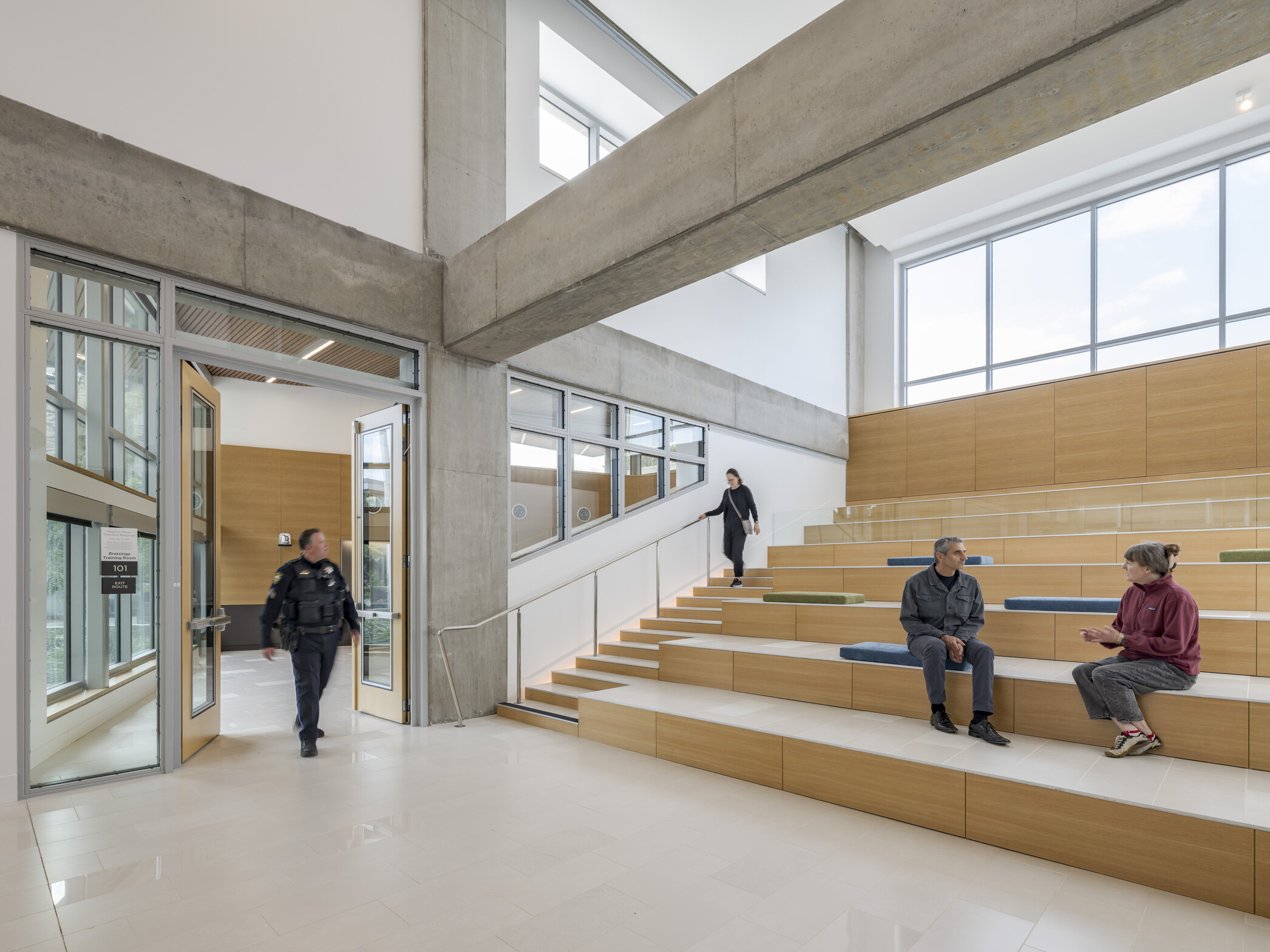
The Palo Alto Public Safety Building brings police, fire, 911, and emergency communications and operations into one campus. The facility is designed to run 24/7 and operate independently during natural disasters, with the EOC as a readiness engine. In tide pool terms, the “rock” is a clear home base and dependable infrastructure. The “water” is the rotating cast of roles and partners that may surge into the space as conditions shift. The building keeps the basics steady so the team can stay flexible.
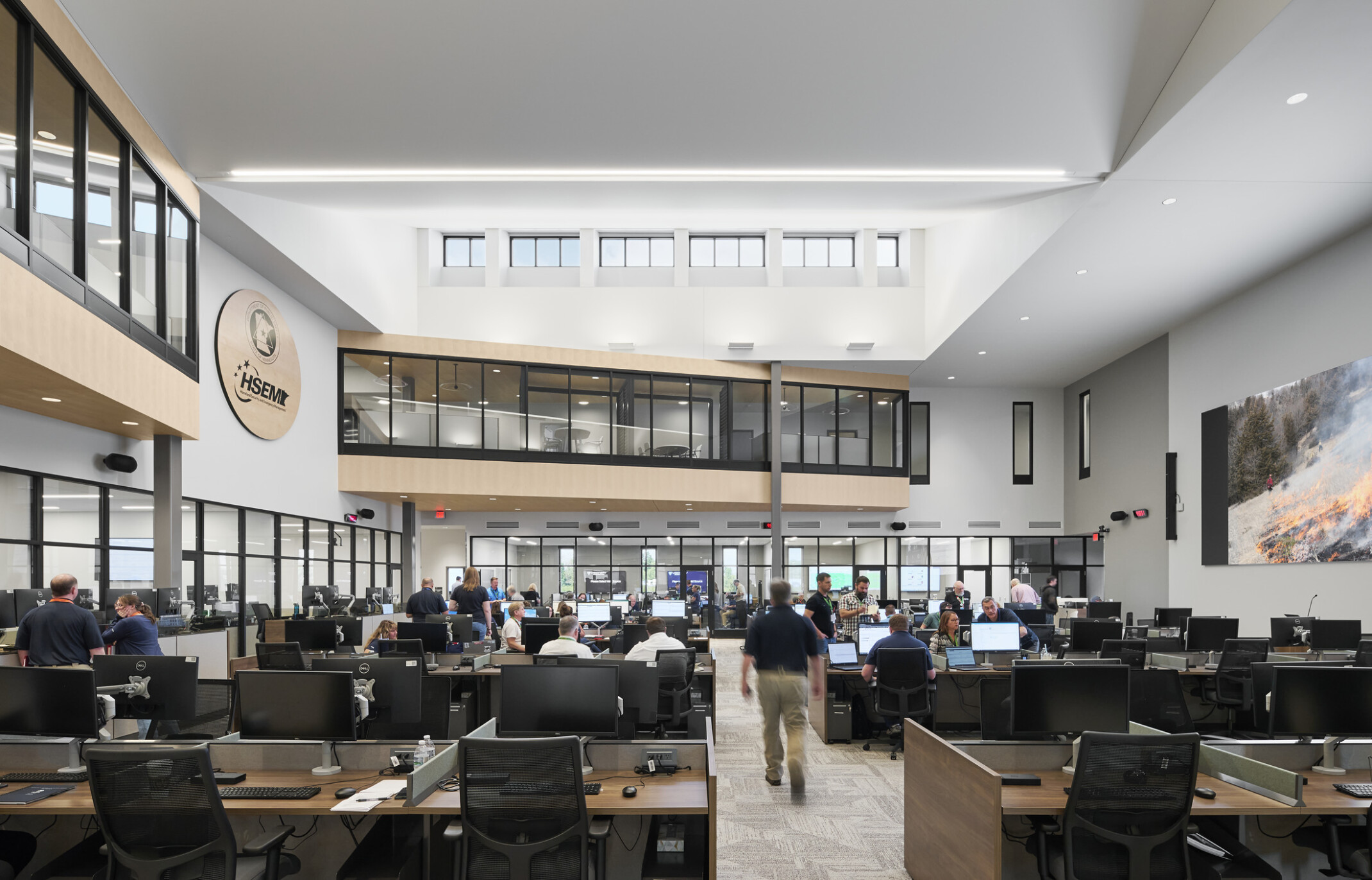
During COVID-19, Minnesota’s EOC showed what it meant when the waves kept coming. The facility ran in continuous operation for 459 days. That stretch exposed stress points in the previous facility. Those gaps drove a shift to relocate and plan a new command hub built for long activations. The new Minnesota State Emergency Operations Center in Blaine is a 42,000-SF facility that supports 65 emergency management staff daily and can accommodate up to 200 people when fully activated. It’s designed to withstand an EF3 tornado and includes redundant HVAC and communications systems, plus lightning and surge protection. In the tide pool, this is the rock doing its job: holding steady so the team can keep working as the situation keeps changing. Because even when the work runs past day one, the facility still has to perform like day one.
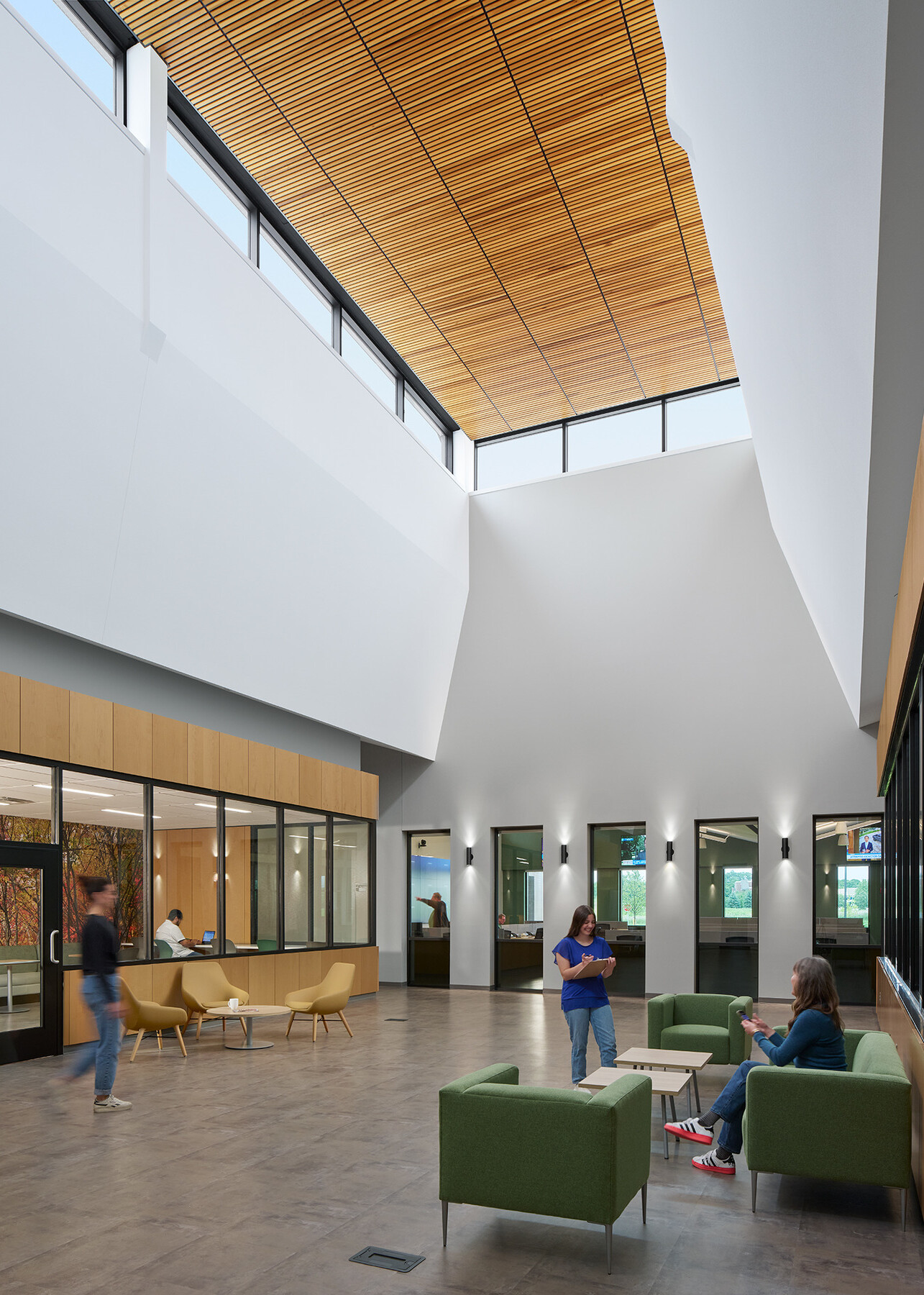
At Lake County’s Regional Operations Center, the tide pool idea shows up in a different way. Response work is shared work. Still, long activations can feel isolating. A well-designed environment can reduce isolation through visibility, shared spaces, and moments of connection that don’t interrupt the mission. When the wave brings a new mix of people into the room, the building can help them find each other quickly, stay aligned, and stay steady. The county’s new ROC also includes restorative spaces intended to support extended activations, helping teams hold performance when the work lasts longer than the first shift. In both cases, the space supports focus, handoffs, and the stamina required to keep making good decisions.
The Insight
An emergency operations center is a control room for decisions that shape public safety. When it activates, the building shields the team, adapts to surge, and keeps many agencies and entities, public and private, aligned around one current picture of the situation. The strongest EOCs translate complex operations into a space that’s easy to use under pressure. That is where design carries weight: it translates coordination and collaboration into an operational edge.
When the next storm arrives, the public sees plows, ambulances, and first responders in the field. Inside the EOC, a different kind of work keeps the response steady, minute by minute, until skies clear and the path forward comes back into view.
Planning a new EOC? Start with mission, surge, and team needs. See how our Justice+Civic Design Leaders conceptualize the design for these vital community projects.

Ideas
Recommended Reads