Innovations in Lab Design and Adaptive Reuse for Life Science
Dave Swanson
RA
Project Manager
Dave leads science+technology projects for the firm.
Email 720-735-7746As the demand for innovative lab design in life science design grows, the focus on adaptive reuse of spaces has never been more critical. Our integrated teams have studied past lab designs and emerging trends to optimize laboratory environments. The pandemic accelerated this shift, and while momentum has slowed, developers and designers worldwide continue to innovate, finding new avenues by repurposing unused facilities into cutting-edge laboratories.
What Drives the Surge in Laboratory Space Demand?
The COVID-19 pandemic significantly impacted the industry’s expansion, increasing the national spotlight on life sciences as companies developed a vaccine. In turn, this brought attention to funding, with record funding volumes in 2020 and 2021, and many life science companies experiencing an immediate need to expand their operations. Meanwhile, softened demand for retail and office space created considerable vacancies in our existing building stock. The pent-up demand for additional space from life sciences led to several retrofit conversions of vacant buildings in 2023 and 2024. More recently, demand has softened, but 2026 forecasts a rebound in venture capital funding and M&A activity, as well as increased focus on reshoring, contributing to a stabilization.
The Trend of Converting Office Spaces to Laboratories
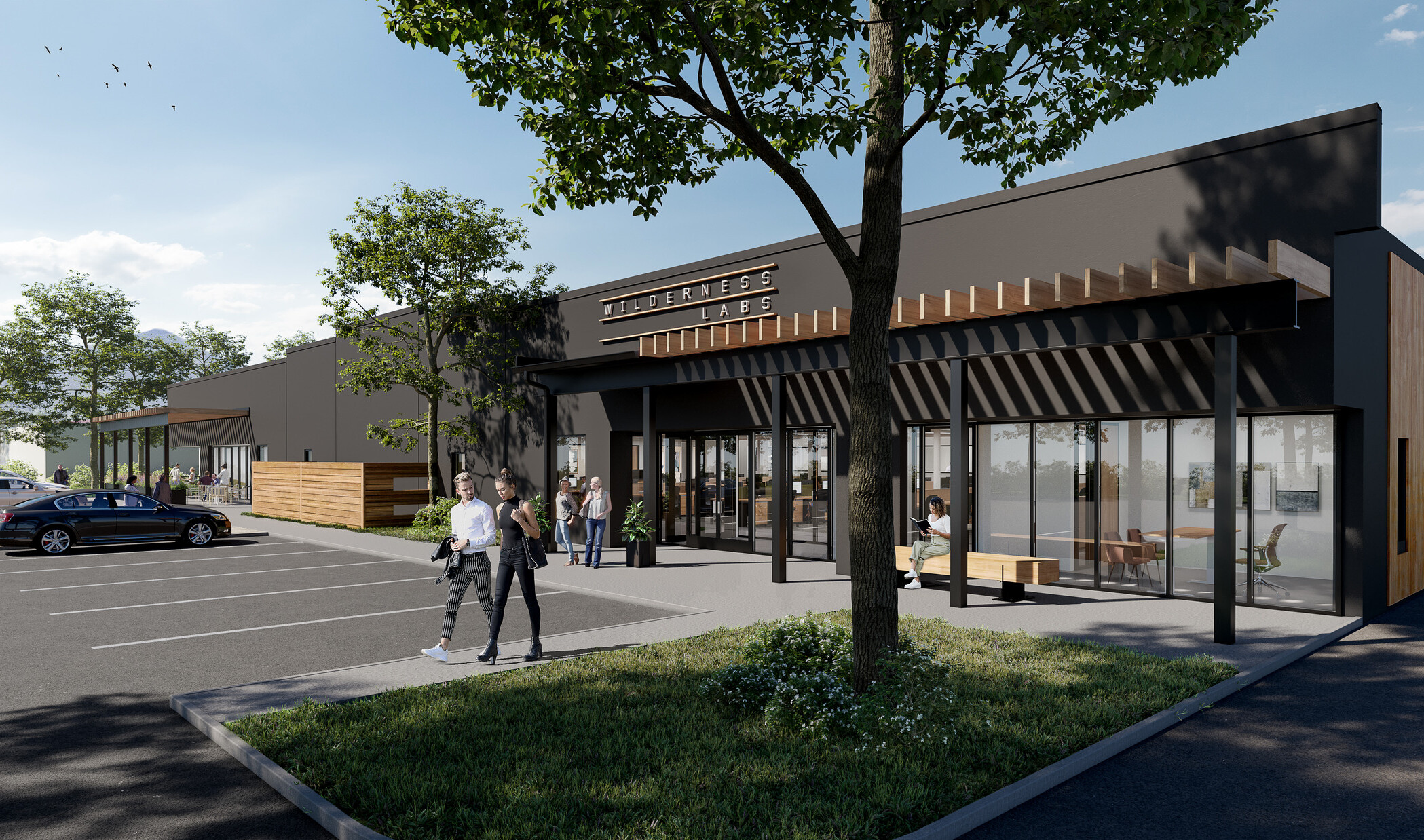
It’s happening everywhere, but the bulk of the life sciences boom is still enveloping the coast. San Diego, San Francisco, and Boston are constantly at the top end of the square footage growth within the industry. Those cities, like many others, have large office vacancies fueling some of this growth. Still, we are seeing the more minor, up-and-coming life science hubs experiencing a more significant impact on their development due to this available space. I am based in our Denver office and have seen this same demand for conversion-ready space along the US-36 corridor up to Boulder. However, this demand to convert office and retail square footage into laboratories has presented a considerable challenge: the infrastructure to support a lab can be tenfold that of a typical office.
The investment for these necessary improvements is very costly, so our integrated teams of architects, designers, engineers, and lab planners must design smartly and efficiently to help reduce the financial impacts on our clients and their science. The alternatives to this retrofit conversation are building new or waiting for a few large-scale life science developments to come online. Still, these solutions can be years down the line and have not been able to meet the schedule demands of our life science companies and their investors – further fueling the need to renovate existing facilities.
Adapting Lab Design to Attract Modern Employees
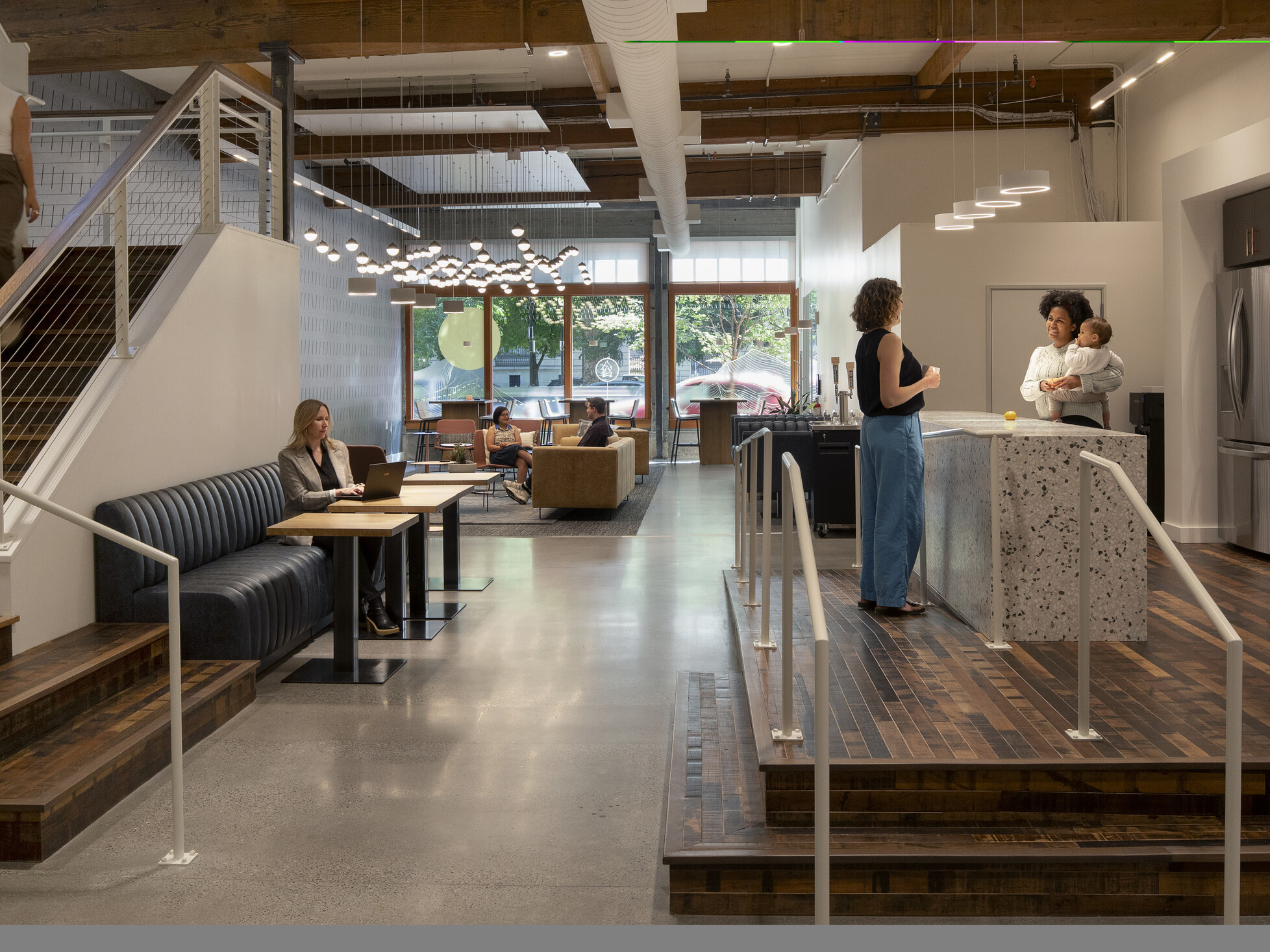
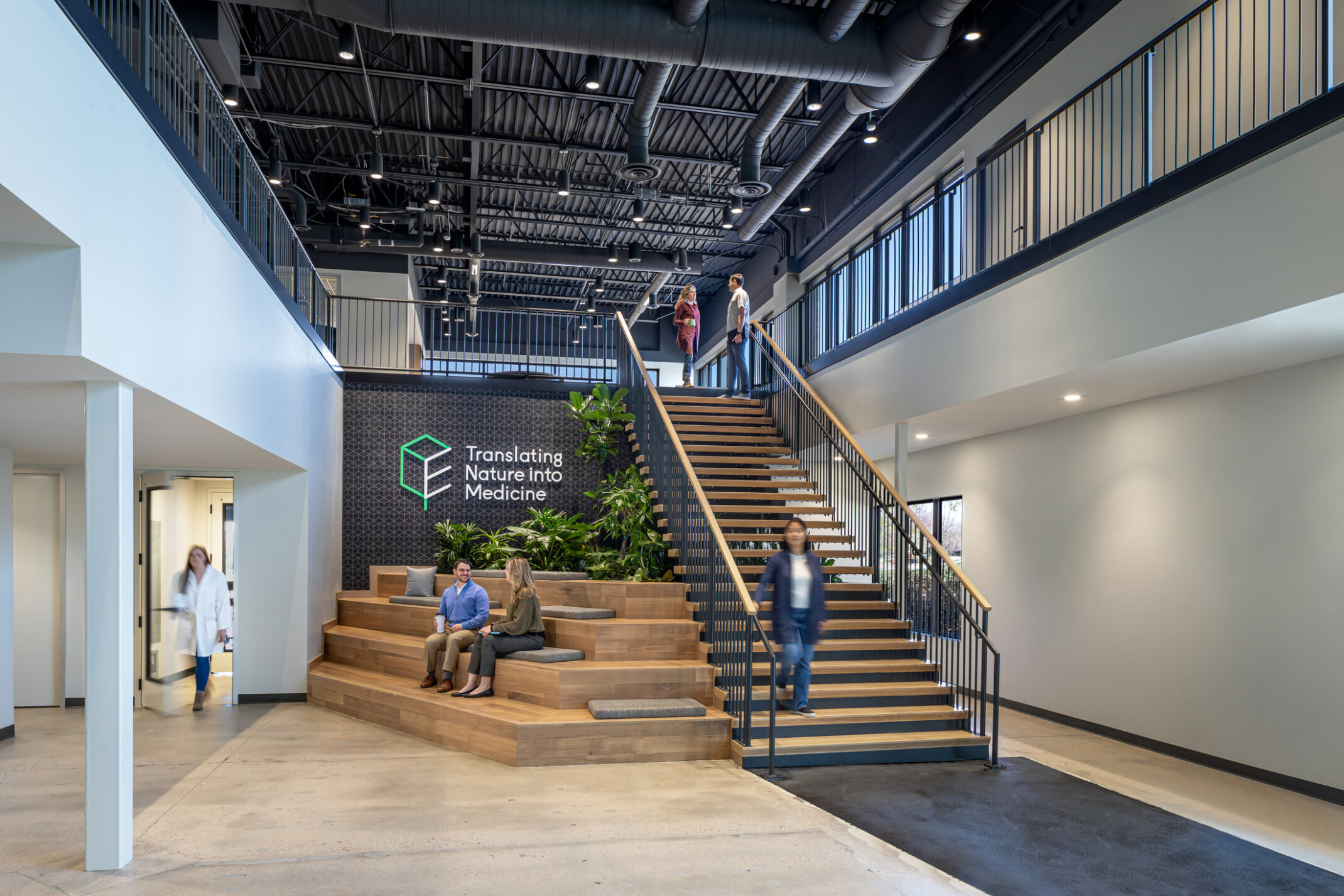
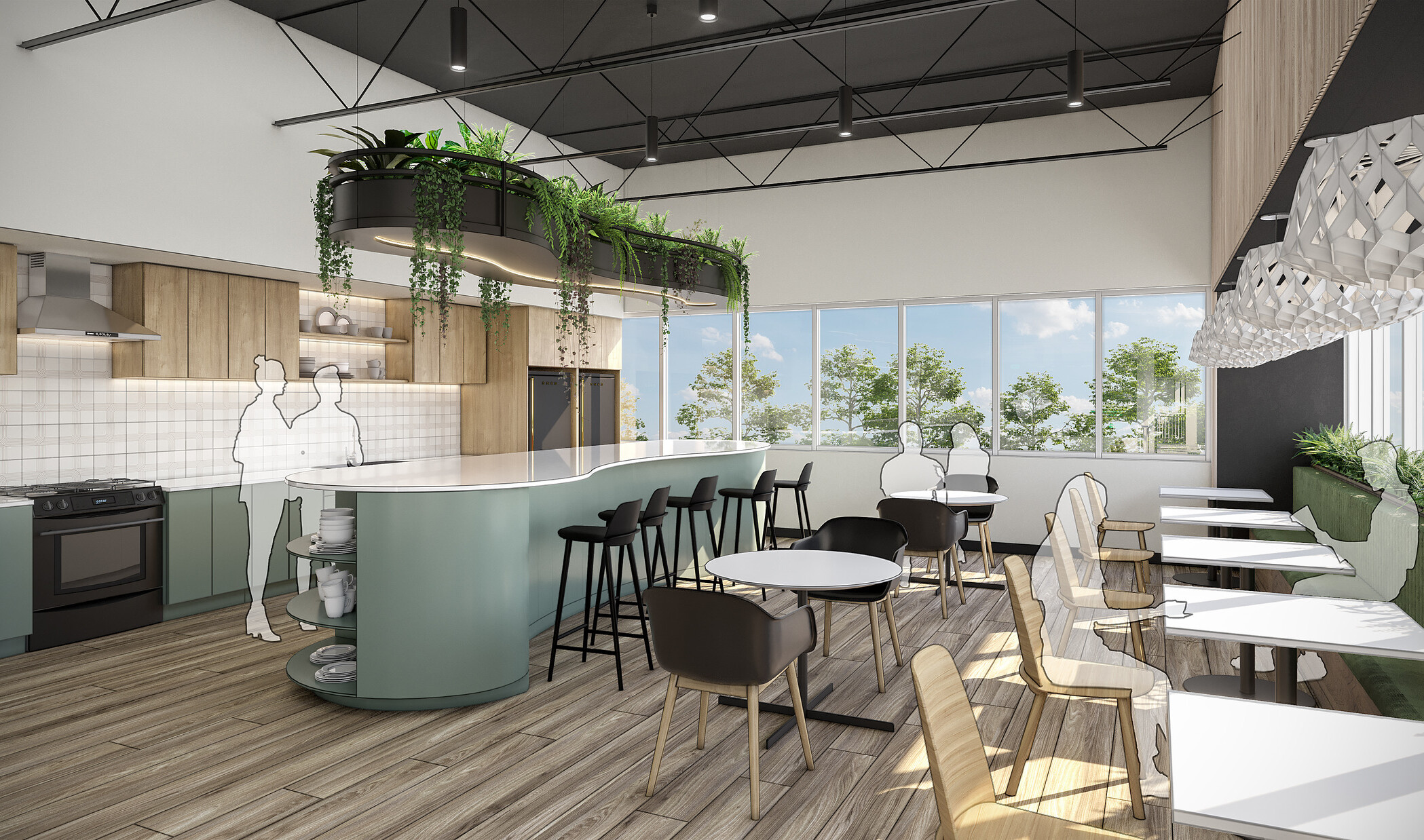
Developers and owners are eager to deliver spaces that ring true to what employees seek in the workplace. It’s not that the rooms are outdated – but employees’ work preferences and patterns have changed. Science companies are not immune to the challenges of finding and retaining talent, and often the differentiator from one to another can be found in workplace and laboratory amenities. For instance, Edgewise Therapeutics, a clinical-stage biopharmaceutical company, selected a more difficult-to-renovate building over another because of a large roof deck with unobstructed views of the Flatirons above Boulder, and Enveda Biosciences, a biotechnology research organization, has integrated living moss walls, sizeable communal kitchen space, a yoga and fitness room. As we’ve said before, laboratories deserve the same considerations as your typical workplace office, and the war for talent is as brutal as ever. Employees want to feel a part of the workplace culture that requires a certain level of flexibility in its spaces, opportunities to socialize, and amenities that improve their mental and physical health and overall workday experience. After all, we spend a third of our lives at work!
Emerging Life Science Hubs Beyond the Bay Area
San Francisco, San Diego, and Boston continue to hold the most real estate and highest concentration of life sciences and technology businesses. However, increased vacancy rates are reducing the utility of adaptive reuse solutions in these established hubs. Secondary and tertiary market hubs are emerging where higher quality of life and lower cost of doing business drive growing investment and real estate demand. Several of these markets remain at 90-95% occupancy, reinforcing the need for creative solutions.
Developer Strategies for Lab Construction and Repurposing
I have coached our developers to do two things: target a specific product they want to bring to market and have an experienced partner in their corner. As I mentioned previously, many life science companies have strict schedules to meet, and need to be in their new spaces as soon as possible; we are seeing this flush out in real-time. As soon as any of our speculative lab suites have cleared the district’s permitting process, the property representatives’ phones start lighting up with prospective tenants wanting to look. Our design teams begin working through test fits and modifications to help the tenant understand the necessary modifications to fit their science and processes into that property.
While it may seem wasteful to redesign something that just completed design, today’s life science developer understands that it’s nearly impossible to design something perfect for an unknown tenant – we are coaching them on how to hit that proverbial sweet spot in the center of the Ven diagram – a product that fits 70% of the target audience, 70% of the way. As a result, there is always a modification effort that needs to take place. Still, in today’s marketplace of delayed permitting reviews, ever-extending lead times on building materials and equipment, and construction labor shortages, projects like office-to-spec lab conversions are often the fastest way of getting research and science to market.
Explore our science + technology design projects, ideas, and news here.
To receive ideas like this directly to your inbox, subscribe to our email list.
Ideas
Recommended Reads