Strategic Research Partnerships Yield Museum Design Insights
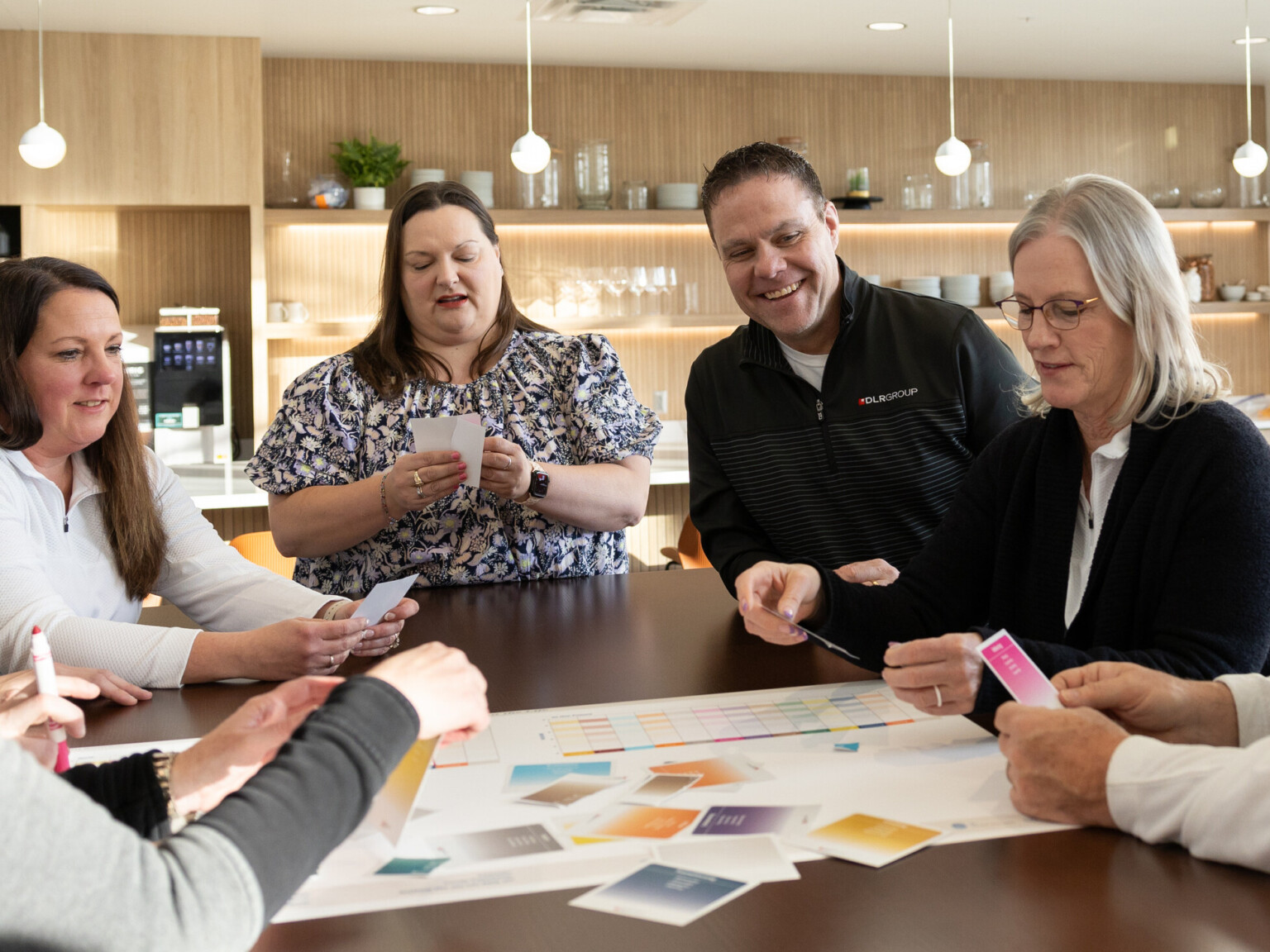
In 2024 and 2025, we invested in museum design research by assembling an integrated team of leaders, designers, and market experts to engage in a series of workshops and design engagements. Over the course of the series, we partnered with cultural strategist Jill Snyder of the industry-leading Snyder Consultancy to assess the current realities of cultural, economic, political, and social challenges museums are facing and began to envision their future.
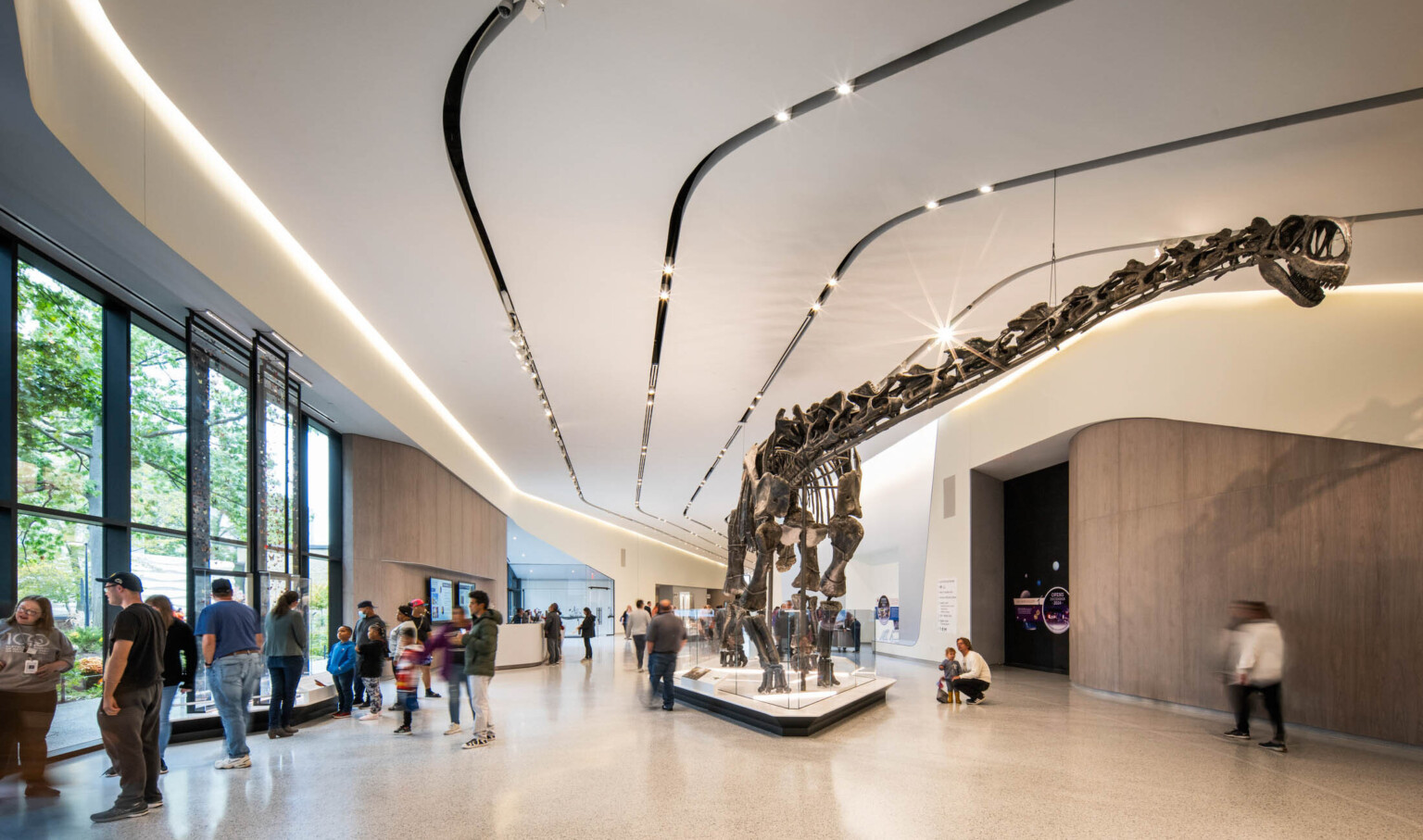
Current research highlights how atmosphere, neuroarchitecture design, experiences of awe, and community-driven frameworks shape environments that welcome diversity, support connection, and linger in memory. These studies demonstrate that the emotional and sensory dimensions of space are fundamental to how people feel acknowledged, oriented, and engaged.
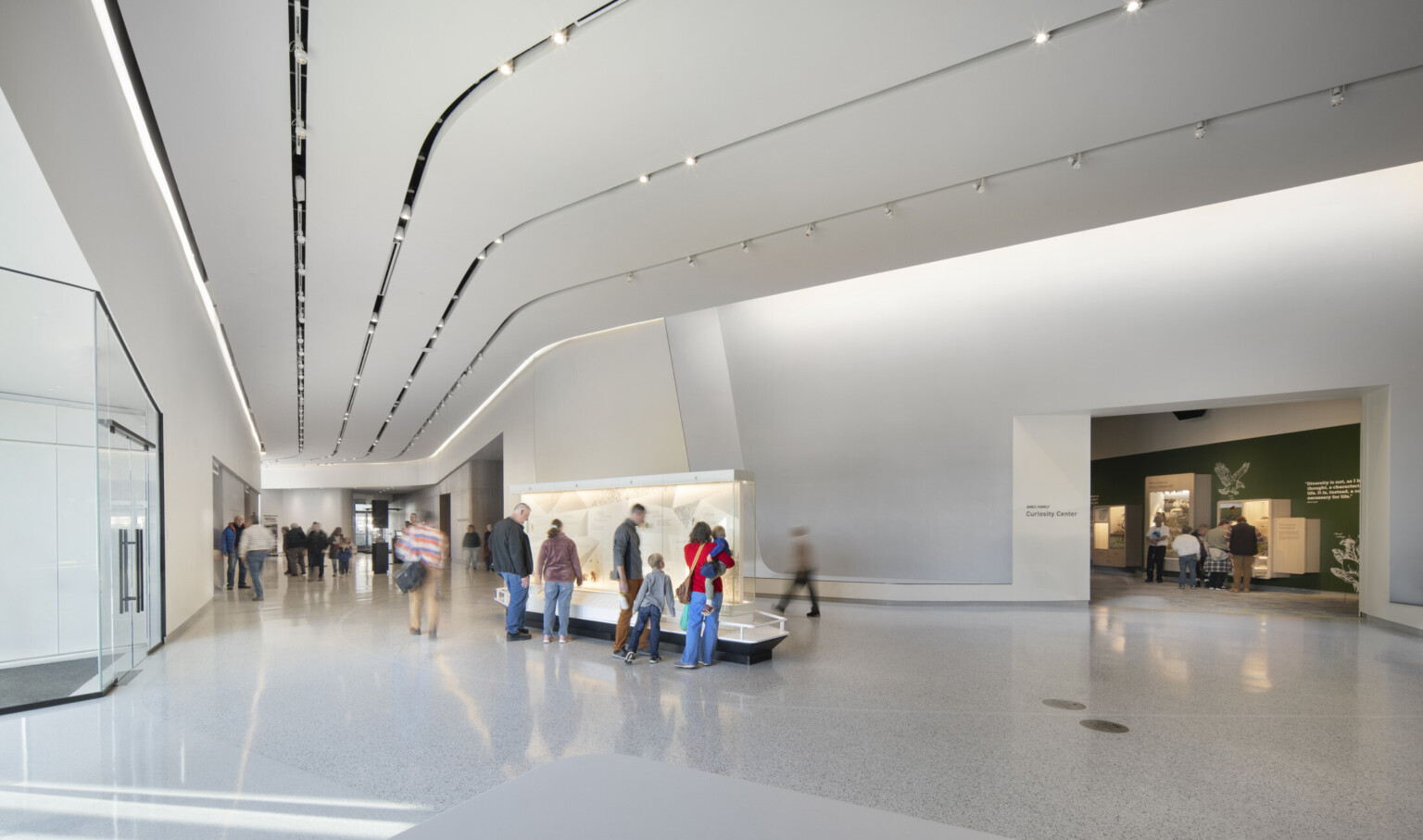
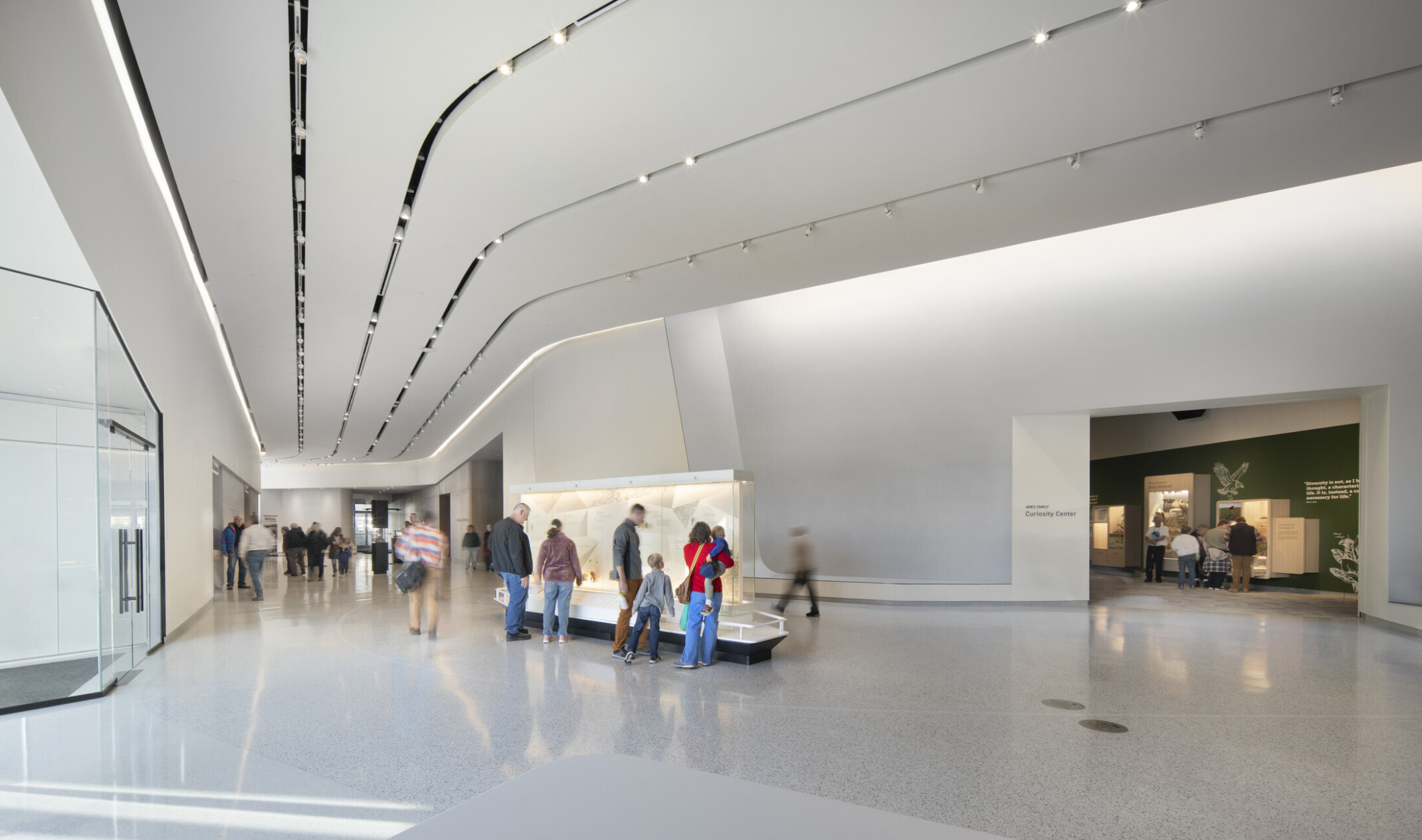
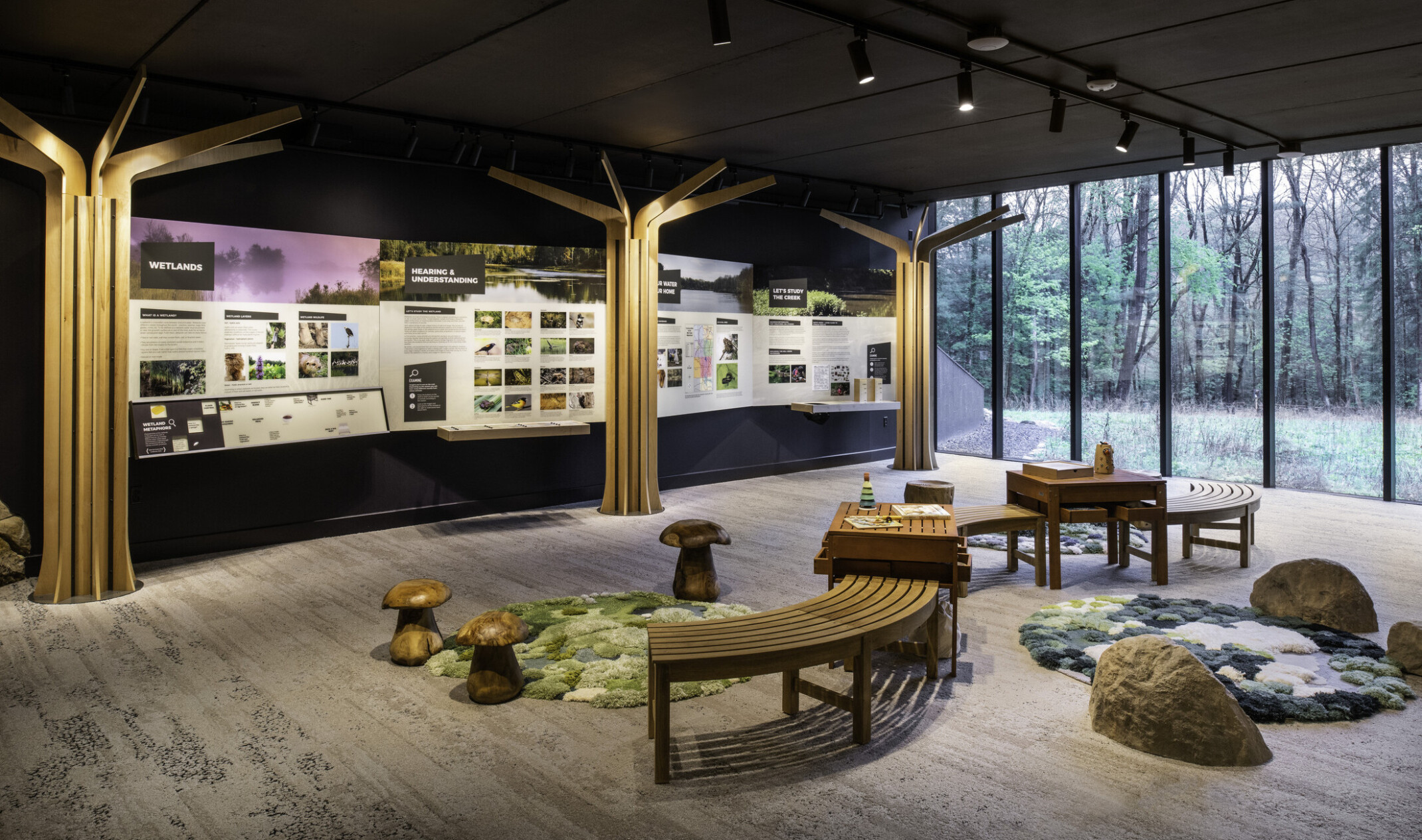
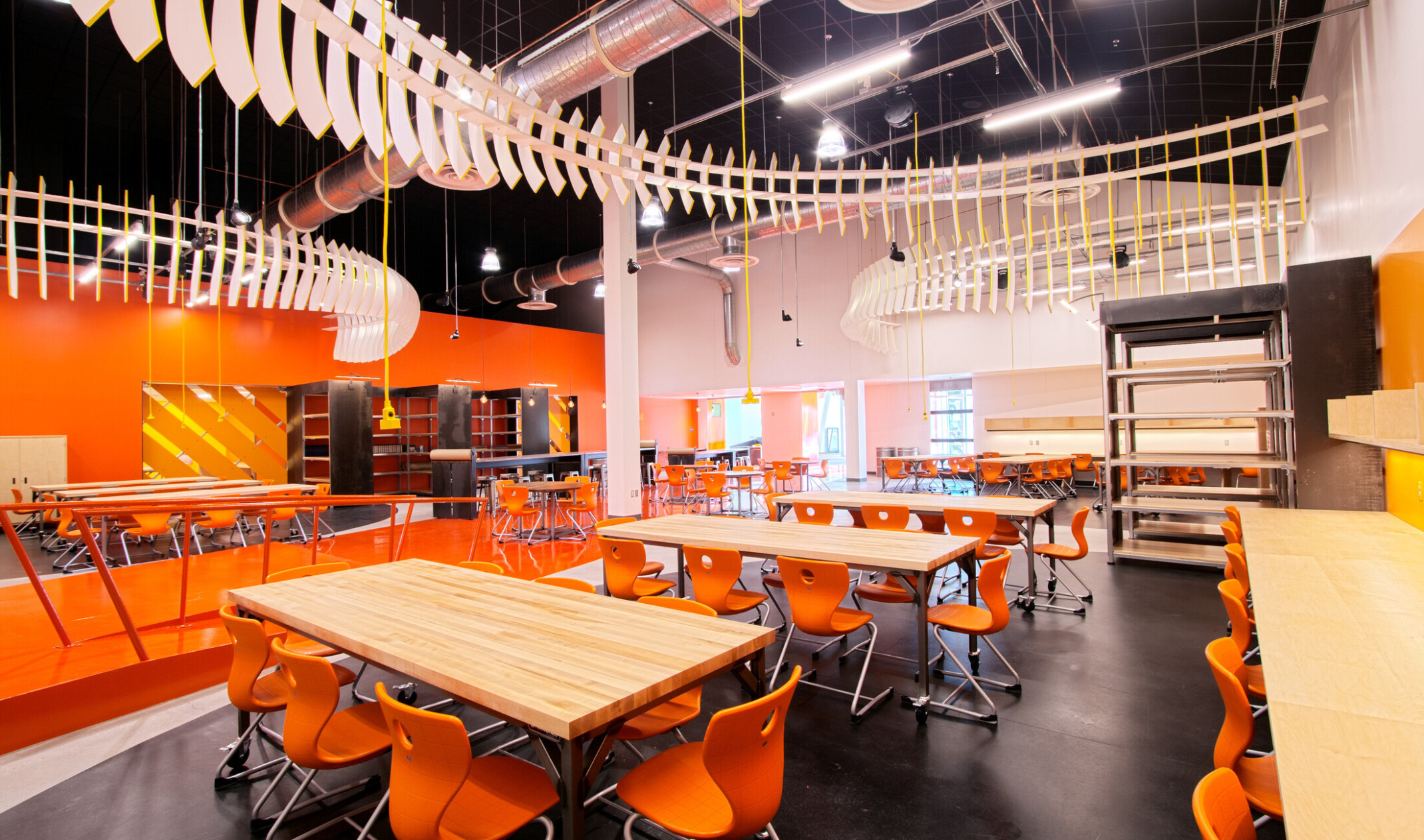
Our workshops explored how these qualities shape visitors’ movement, pauses, interpretations, and formation of meaning within cultural spaces, while holding space for curiosity, reflection, and moments of quiet restoration. We also explored how museums could help address social determinants shaping contemporary culture, such as loneliness, heightened stress, accelerated pace, loss of public trust, and social exclusion.
Since the workshops, we have renewed our focus on what matters most in museum design: people, the stories they carry, the memories they make, and the spaces that shape those moments. Our contributions to the ongoing industry conversation about the future of museums have resulted in a sensory exhibit in Venice, experts sharing their insights at prominent national museum conferences, and the launch of a new primary research project.
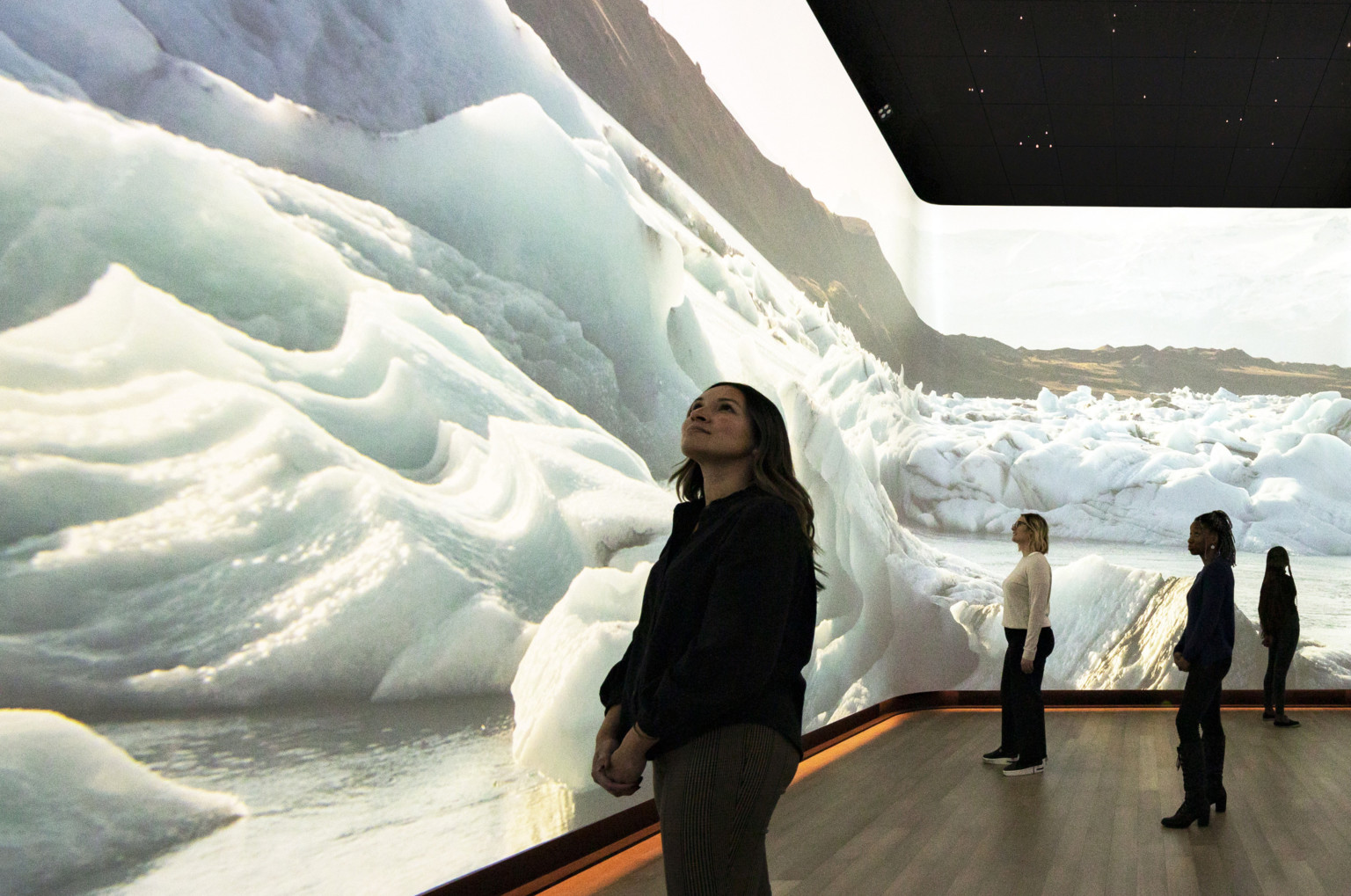
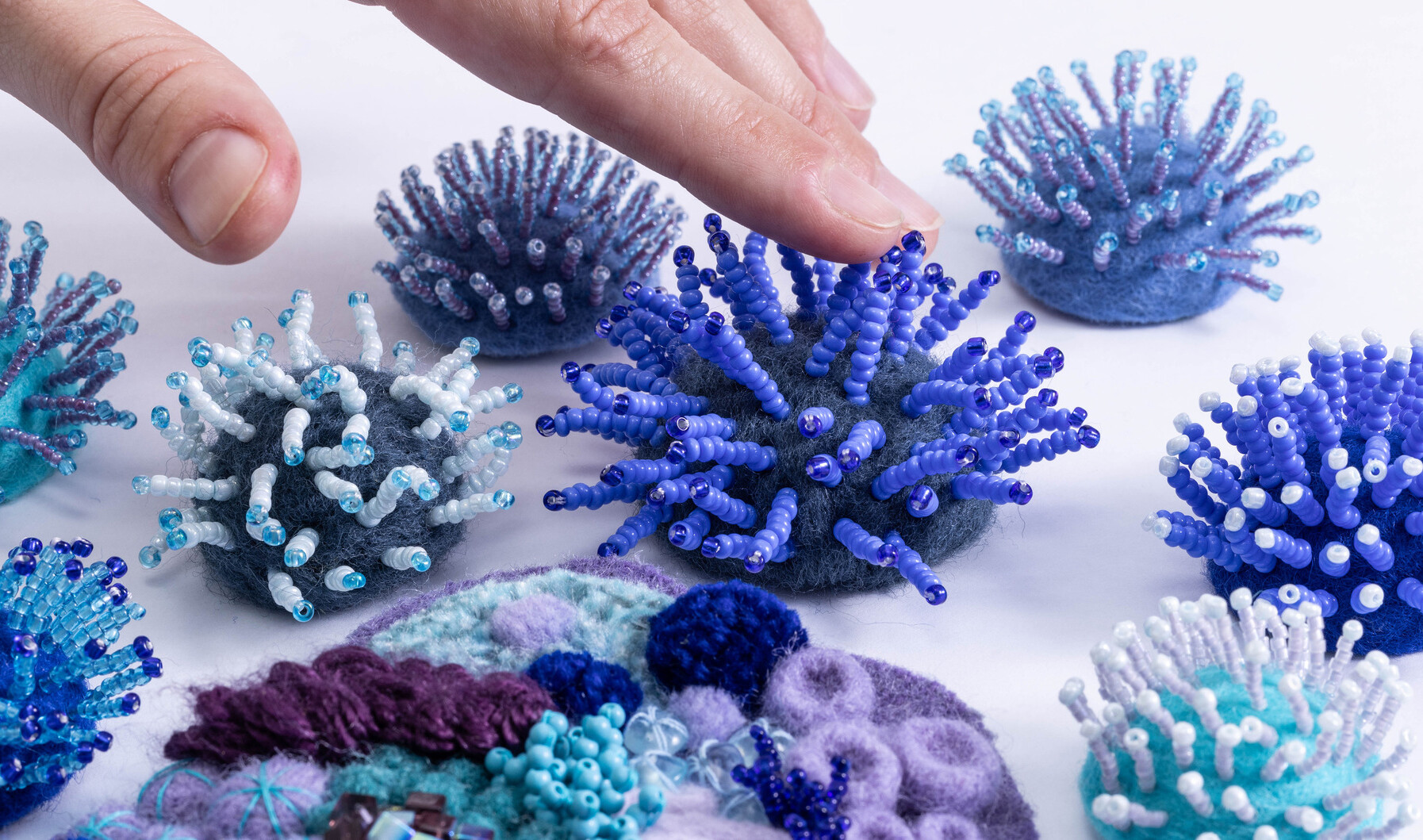
In Venice, Italy, a global audience saw, heard, and felt our approach to sensory design in our Tactile installation, part of Time Space Existence.
The installation – hosted alongside the Venice Architecture Biennale – considers the spatial needs of neurodivergent individuals, offering both positive stimulation and restorative calming. In 2024, Associate and Interior Designer Sammy Rupp, IIDA, interviewed neurodivergent individuals and occupational therapists specializing in work with the neurodivergent community to develop custom fiber art and furniture prototype studies as part of our personal development grant program. For “Tactile,” Sammy evolved this work into a standalone physical space in collaboration with Principal and Global Design Leader Tim Ganey, AIA, LEED AP, and visual and sound artist Thessia Machado. The installation welcomed nearly 370,000 visitors, was featured in international and national media, and was shortlisted for the 2025 European Cultural Centre Awards. More broadly applied, it provokes consideration of how atmosphere and transitional spaces can emotionally anchor museum visitors and cultivate a sense of belonging.


Across the United States, our museum design experts joined diverse voices from museums, cultural institutions, and design leadership in a series of compelling panels at the Building Museums Symposium, Alliance of American Museums Annual Meeting, Western Museums Association Annual Meeting, and Museum Trustees Association Fall Forum.
- “What I Would’ve Told My Younger Self About Building a Museum” saw the Cleveland Museum of Natural History president and CEO Sonia Winner take the stage with DLR Group’s Principal and Global Architecture Leader Josh Haney, AIA, and Design Leader Mark Morris, AIA, to discuss how the museum’s complex transformation evolved through uncertainty.
- “A Monuments Project: Designing Community Trust for Commemorative Landscapes,” focused on community engagement, collaborative storytelling, and healing following the removal of the Christopher Columbus statue in Columbus, Ohio included Senior Associate and Senior Architect Emily Moore, AIA. Her work for “Reimagining Columbus” reflects a new framework for social justice projects: a circular process aligned with equitable community engagement and indigenous practice.
- “How Can Museum Programs Facilitate Cultural Healing in an Age of Distrust?” examined case studies across multiple scales to show how storytelling can rebuild trust, honor marginalized perspectives, and support new interpretations of historical material.
- “Uncovering Blind Spots – Strategies to Engage Communities in Exhibit and Installation Design Projects” examined how community engagement can positively inform the way museum teams conceptualize, design, and implement exhibitions and installations. Both featured Principal and Global Cultural+Performing Arts Leader Dan Clevenger, AIA, LEED AP BD+C, alongside client partners from ASU Art Museum and Jill Snyder.
- “Designing for the Digital Age” was co-presented by Principal Carol Duke, Assoc. AIA, and Cultural+Performing Arts Leader Dan Clevenger, AIA, LEED AP BD+C, who illustrated how digital media and immersive storytelling is now integral to museum culture and visitor engagement with case studies including the Cleveland Museum of Natural History and the Heard Museum.


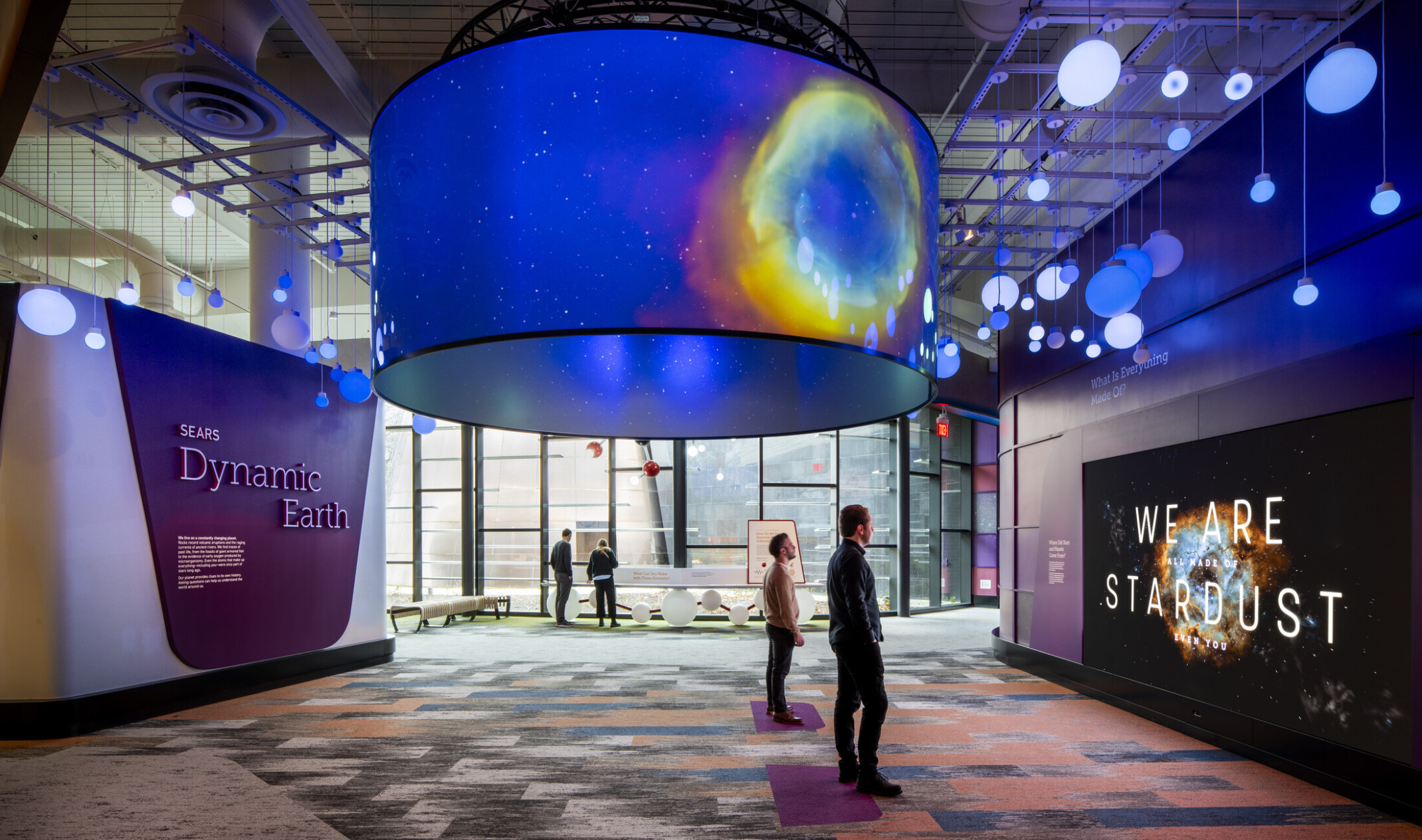
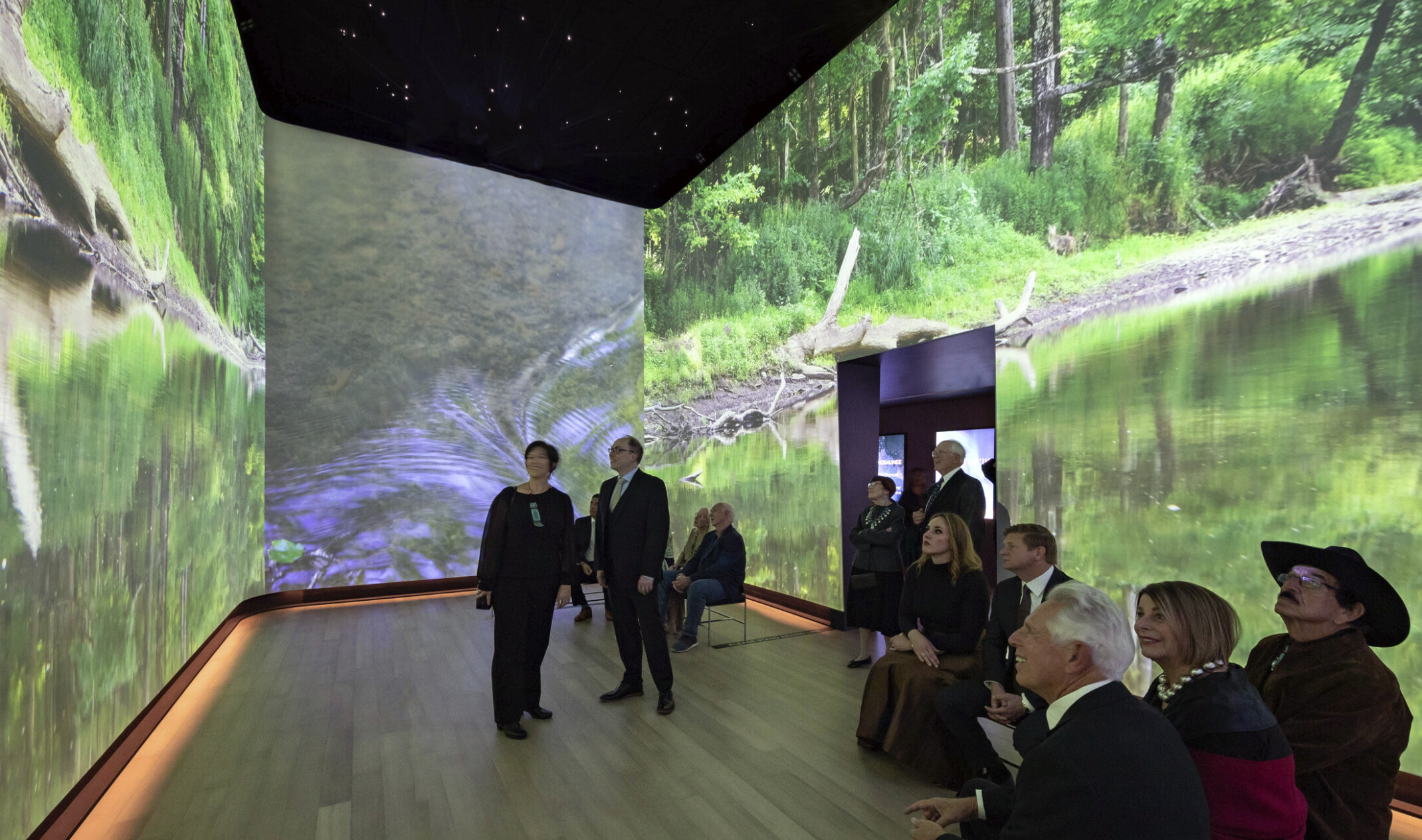
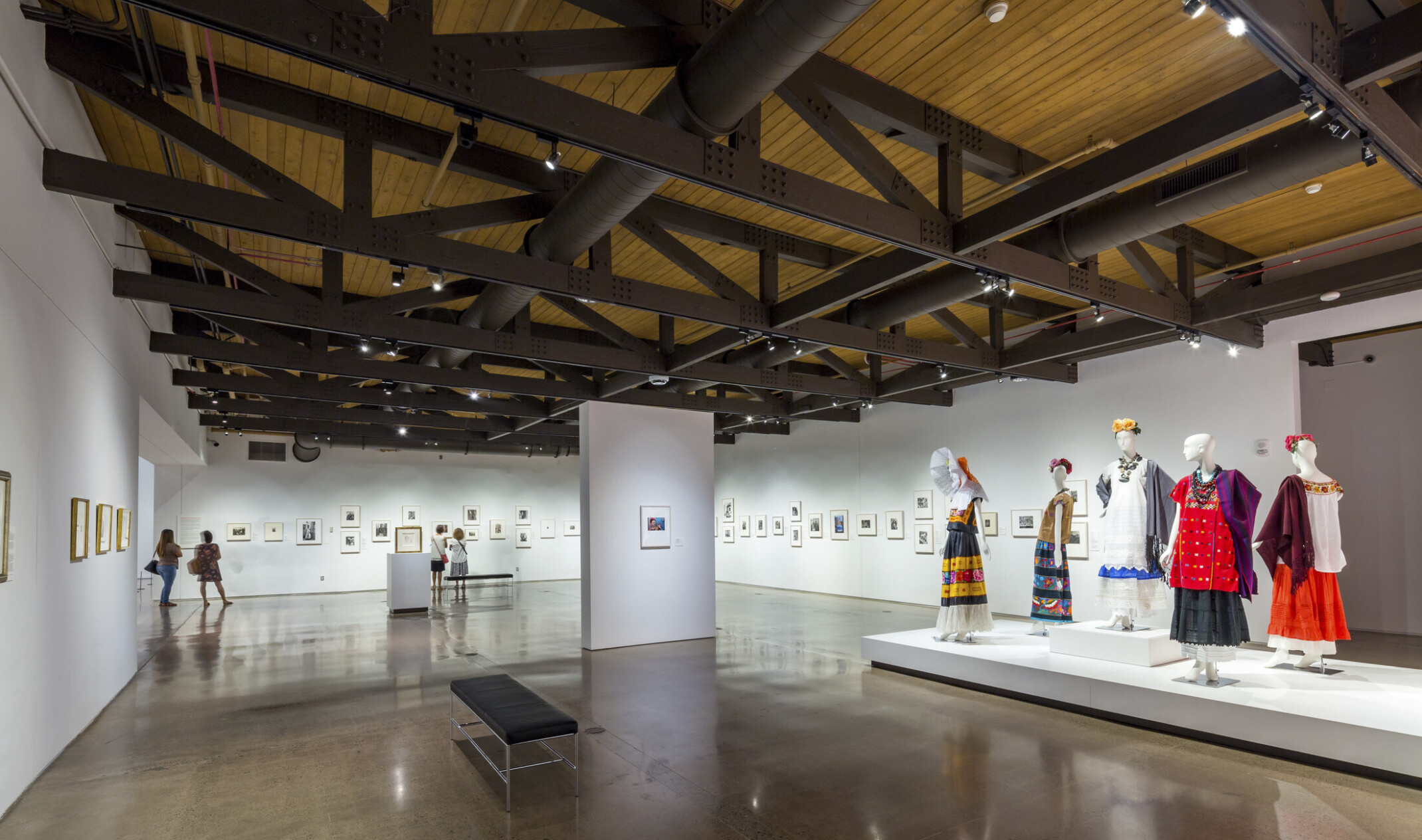
In 2026, our Design Research team, led by B Sanborn, AIA Allied, EDAC, and Associate and Design Researcher Teeka Gray along with Jill Snyder will launch a study with select art museum partners. Together, we will study atmospheres and liminal spaces: the thresholds, paths, and transitions that guide movement, pause, and orientation. Successfully realized museum designs provide a fluid visitor journey, leveraging a cultural norm that positions museums as social platforms. This purposeful research lens will identify patterns of social behavior that inform design strategies for spaces that are welcoming and supportive for a diverse range of museum visitors.
The insights we apply from research investments will continue to evolve alongside communities and institutions, supported by a shared belief that museums play an essential role in cultural wellbeing. By crafting vivid, inclusive environments that cultivate belonging and honor the full spectrum of human experience, we help imagine museum futures that inform, inspire, and genuinely support the people who move through them.
This piece was co-authored with Jill Snyder, Snyder Consultancy.
Learn more about DLR Group’s approach to redefining the visitor experience through museum design.
Ideas
Recommended Reads