From Storefronts to Storyfronts: Retail’s Next Chapter
Retail is evolving as consumer behaviors shift toward speed, convenience, and e-commerce. As a result, retail is no longer defined by what can be bought, but by why people choose to be there. Physical places must offer more than efficiency, creating connection, discovery, and a sense of belonging. The in-person experience still matters. Some experiences and purchases simply cannot be replicated digitally.
Malls and shopping centers are responding by creating destinations where people can shop, dine, connect, and enjoy. By pairing omnichannel strategies with experiences that can only be had in person, these places move beyond transactional visits and become spaces where people want to gather, linger, and return. Fueled by renewed optimism, today’s retail landscape is thoughtful, data-driven, and focused on creating a lasting impact.
Here is a look at how retail is refreshing, repositioning, and redefining itself and the communities it serves.
Refreshing Storefronts into Storyfronts
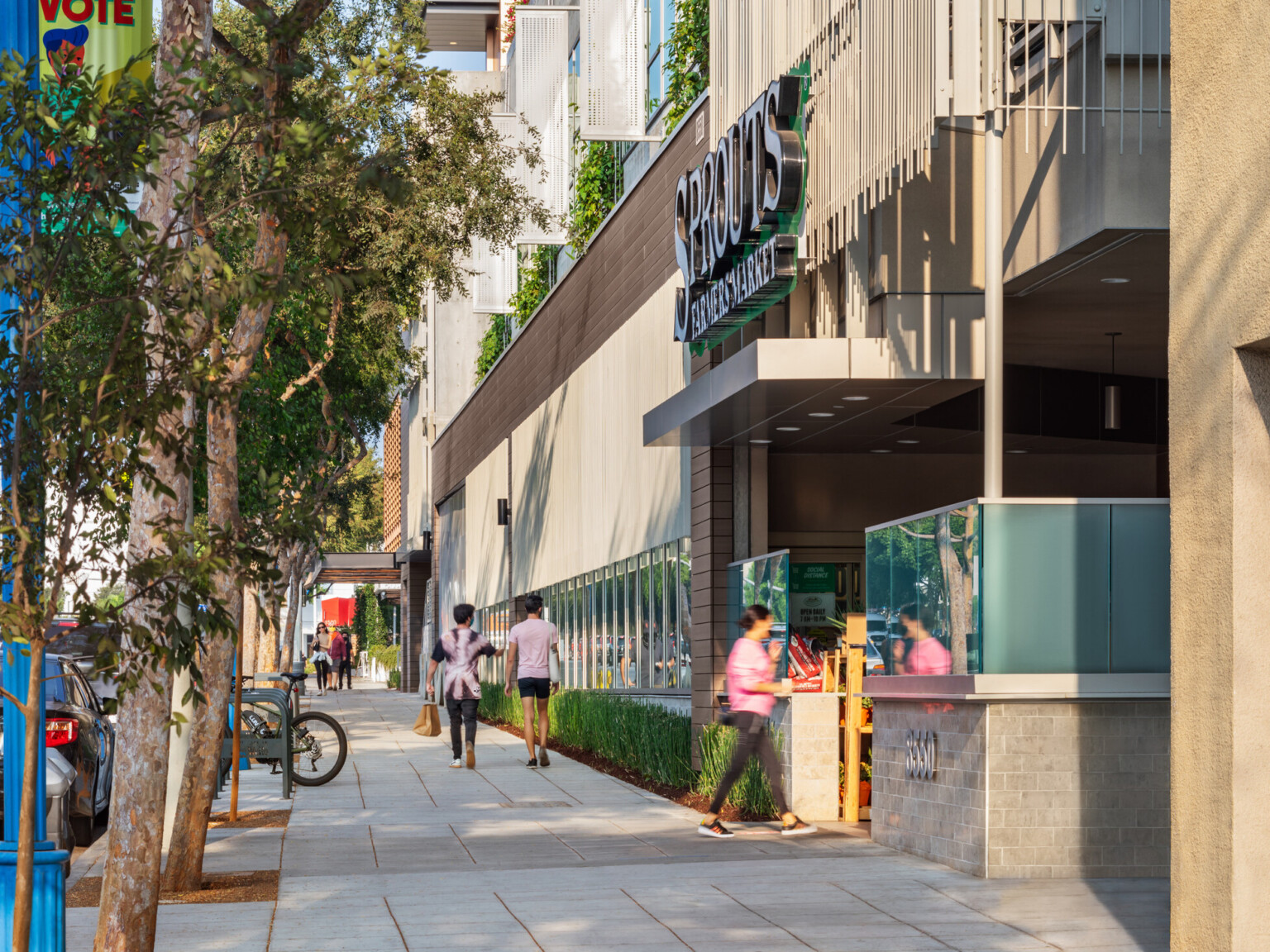
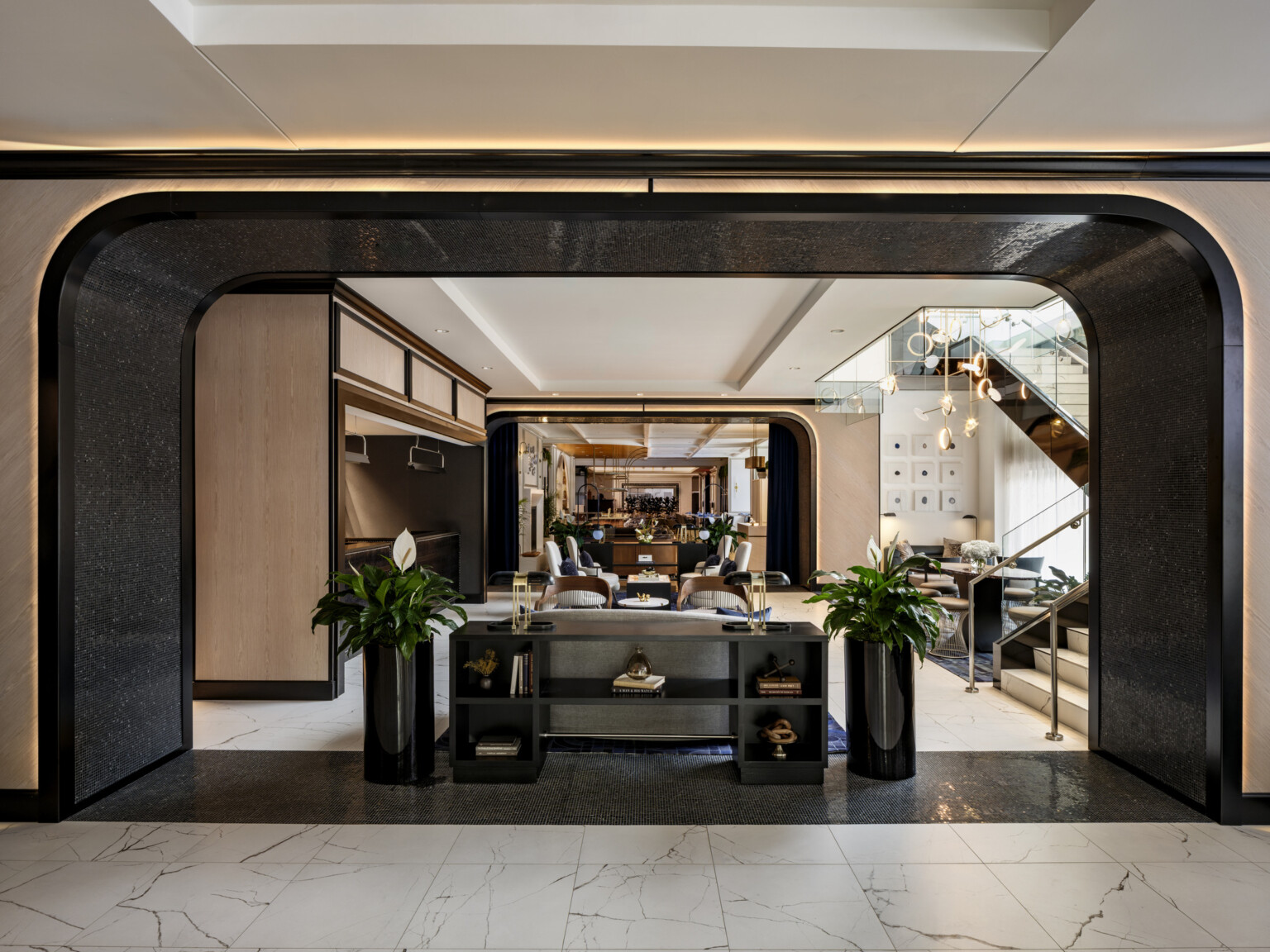
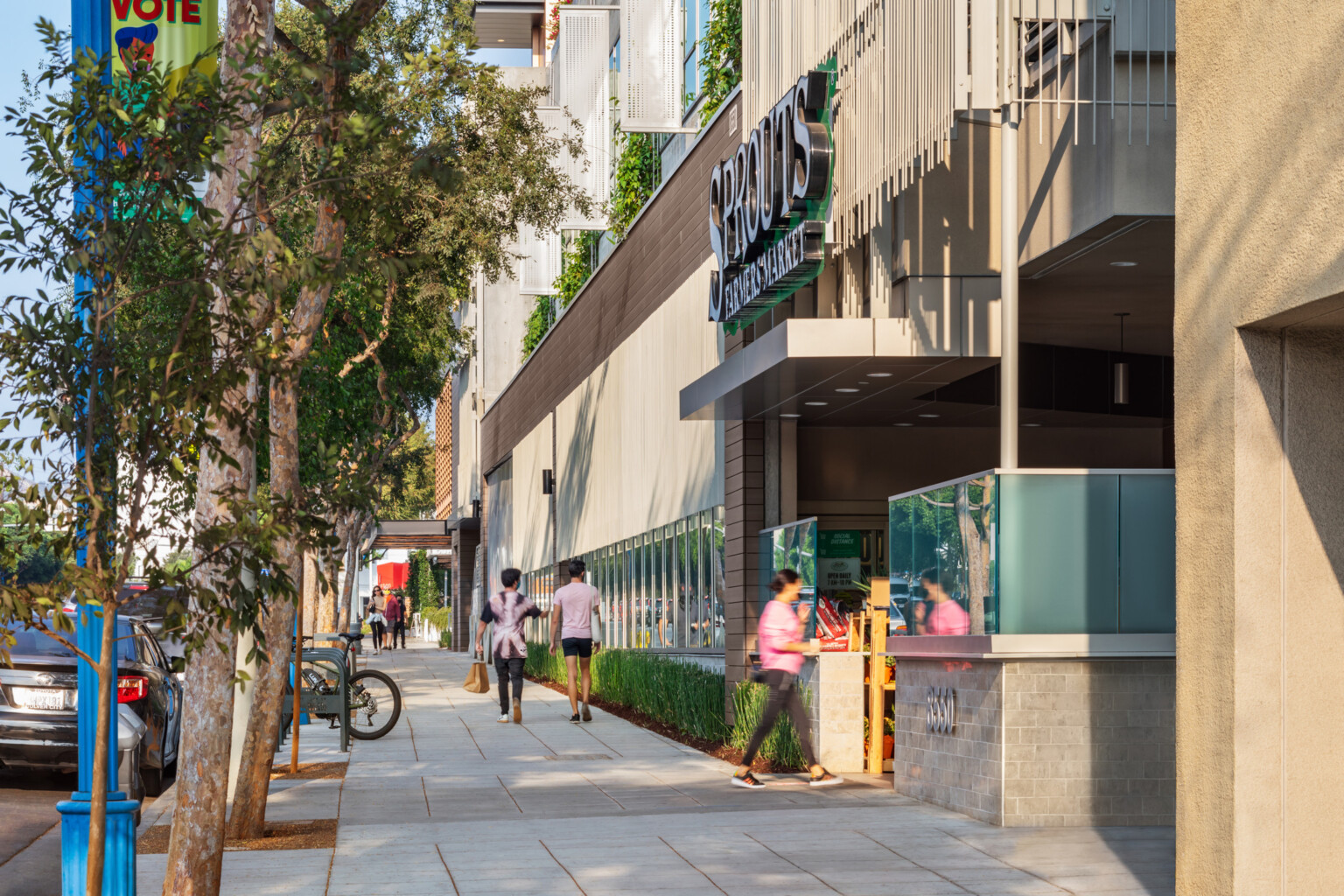
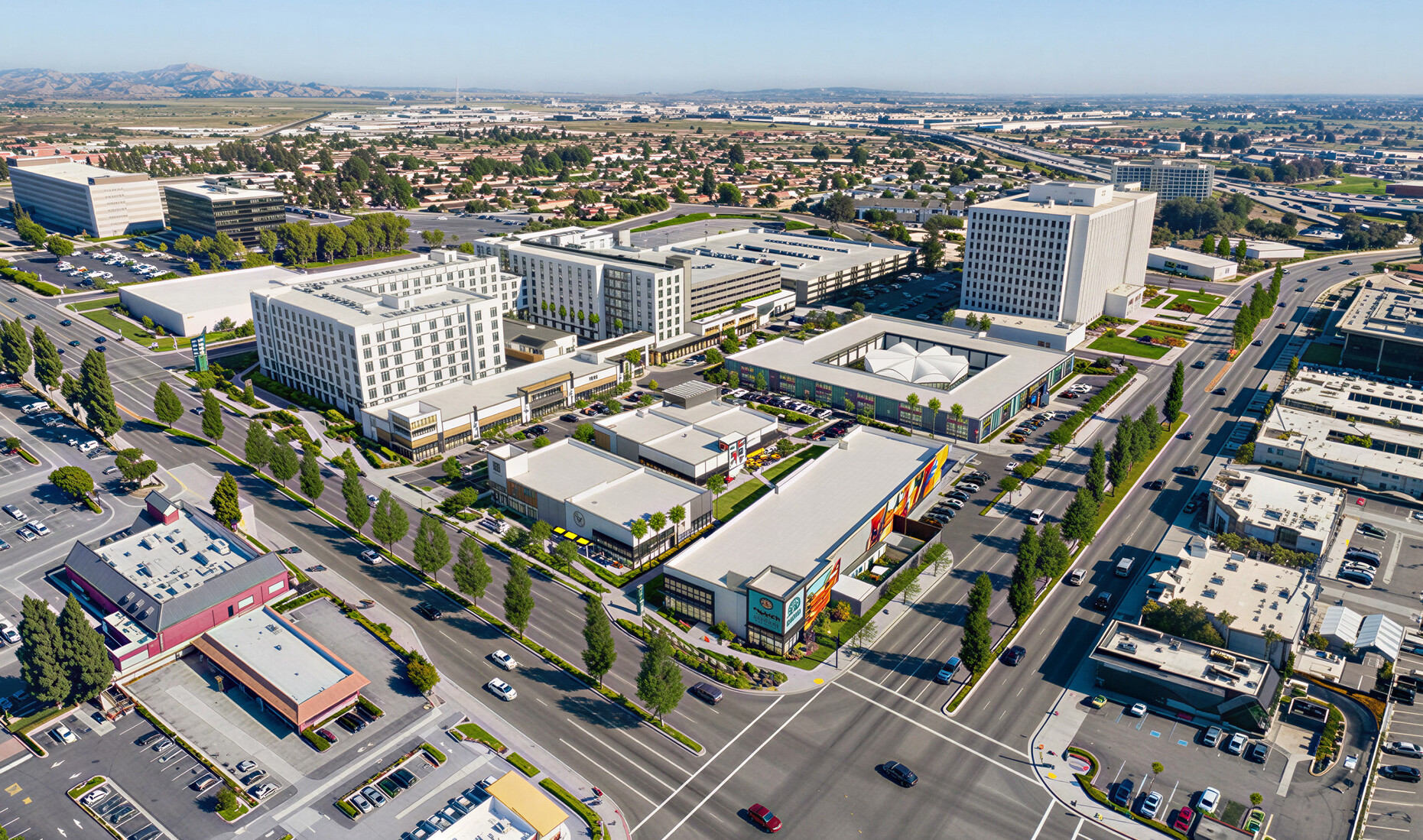
Strategic upgrades can make a powerful difference. Facade enhancements, refreshed storefronts, and activated open spaces help aging centers feel current while setting the stage for more engaging experiences. Curated materials, updated signage, and improved lighting create a cohesive environment where retail, dining, and gathering spaces flow naturally together. Blurring the threshold between tenant storefronts and common areas creates visual interest and transforms common areas into active, engaging environments while enhancing tenant identity. Leaning into indoor and outdoor dining, flexible seating, and welcoming public areas encourages visitors to linger. These enhancements allow placemaking and adaptive reuse to turn retail centers into curated destinations rooted in local character and shared experience.
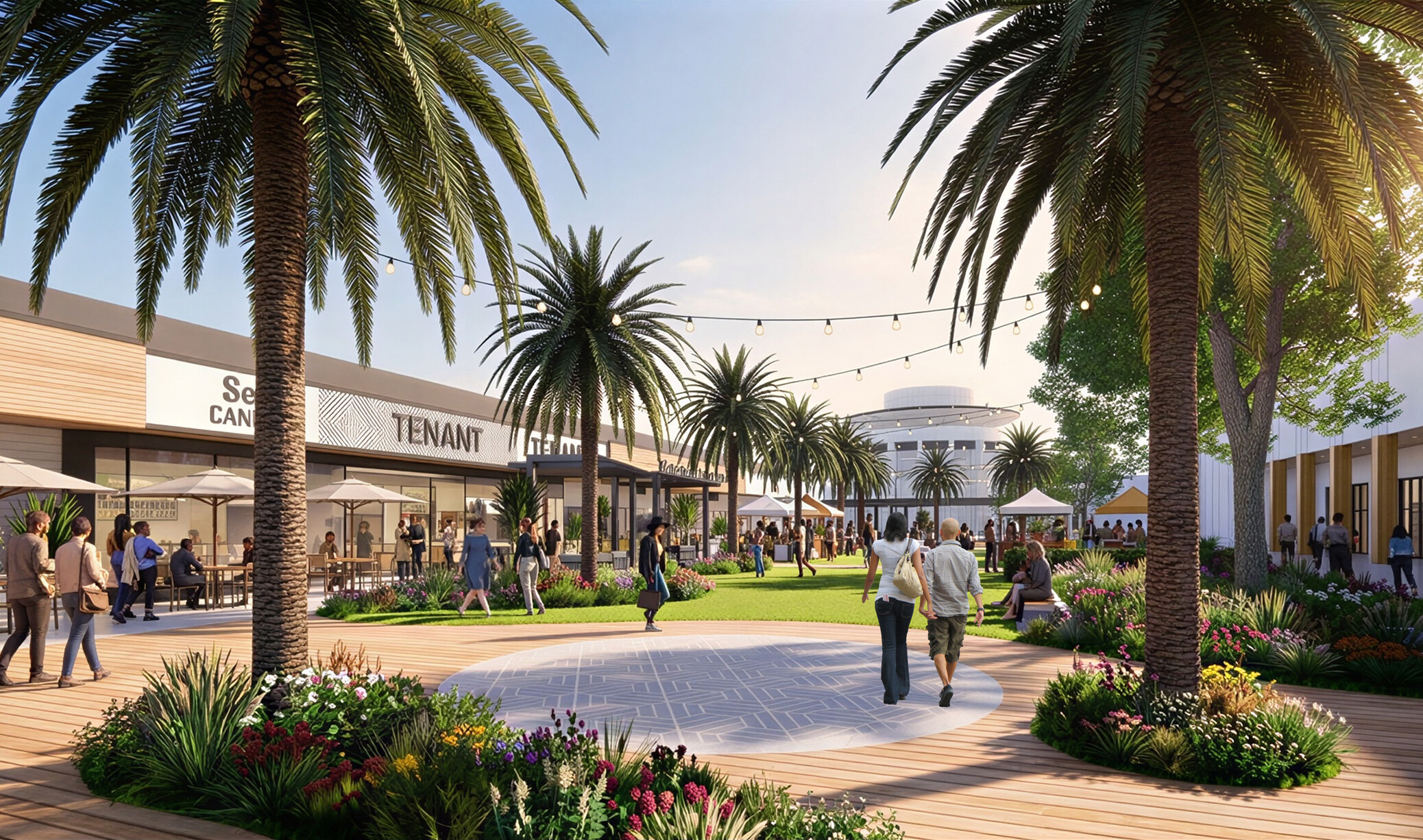
Repositioning Anchor Tenants
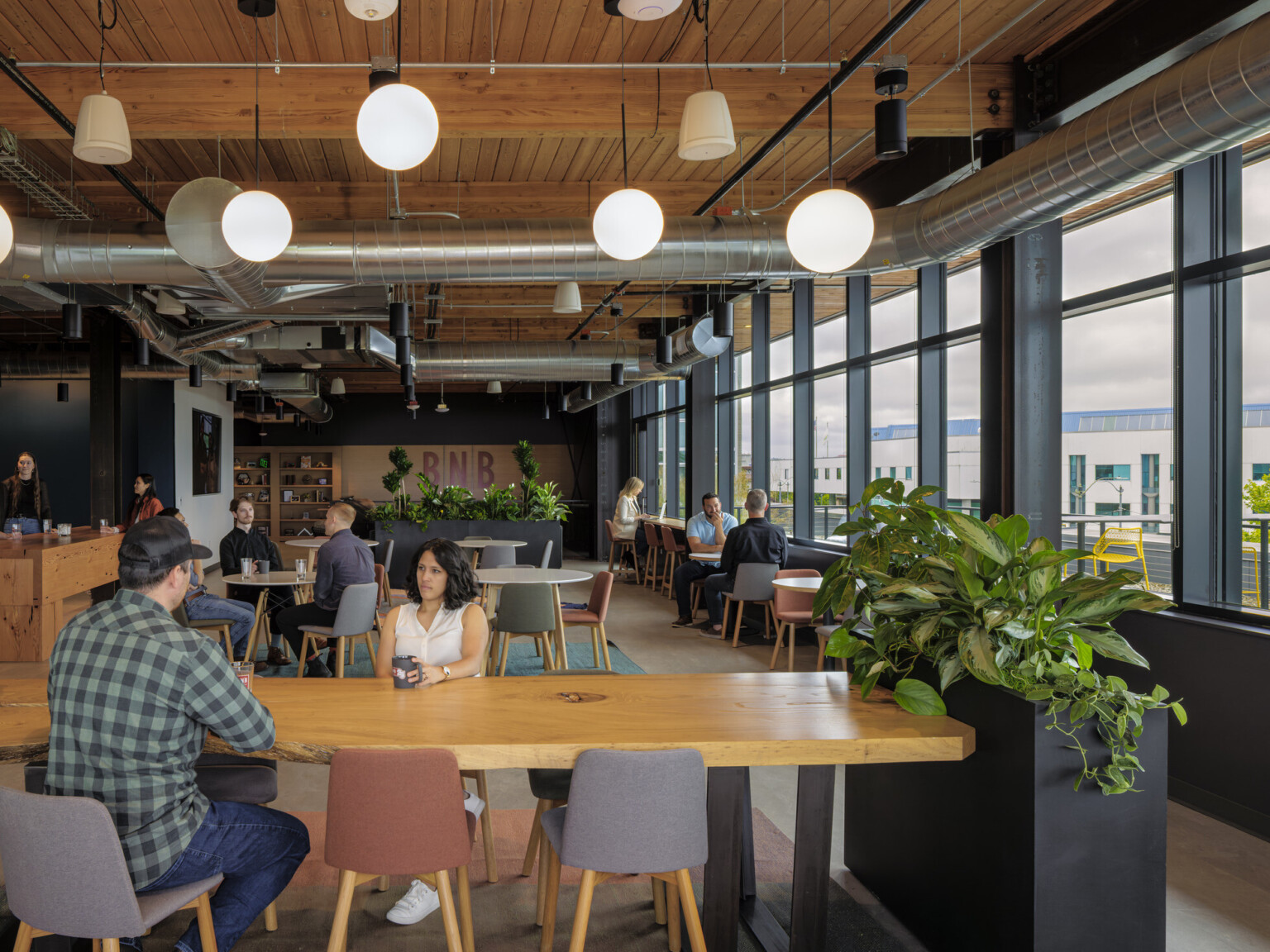
Anchor tenants have long been the cornerstone of retail districts, drawing people to malls and shopping centers, but the retail landscape is changing. When an anchor leaves, it creates an opportunity to reimagine the space with junior anchors, local markets, grocery stores, food halls, health and wellness hubs, entertainment destinations for leisure sports and gaming, and newly activated indoor-outdoor experiences.
Replacing underperforming anchors with high-demand, experience-led tenants has proven to significantly increase foot traffic, often drawing shoppers from greater distances and boosting sales for surrounding retailers. Pop-up shops, seasonal events, live music, and year-round programming can further transform these areas from static space into dynamic destinations. By emphasizing local connections, immersive retail, and multi-use environments, developers can reposition anchors as true traffic drivers and social hubs, reshaping the customer experience and creating vibrant, resilient centers.
Redefining the Spaces In-Between
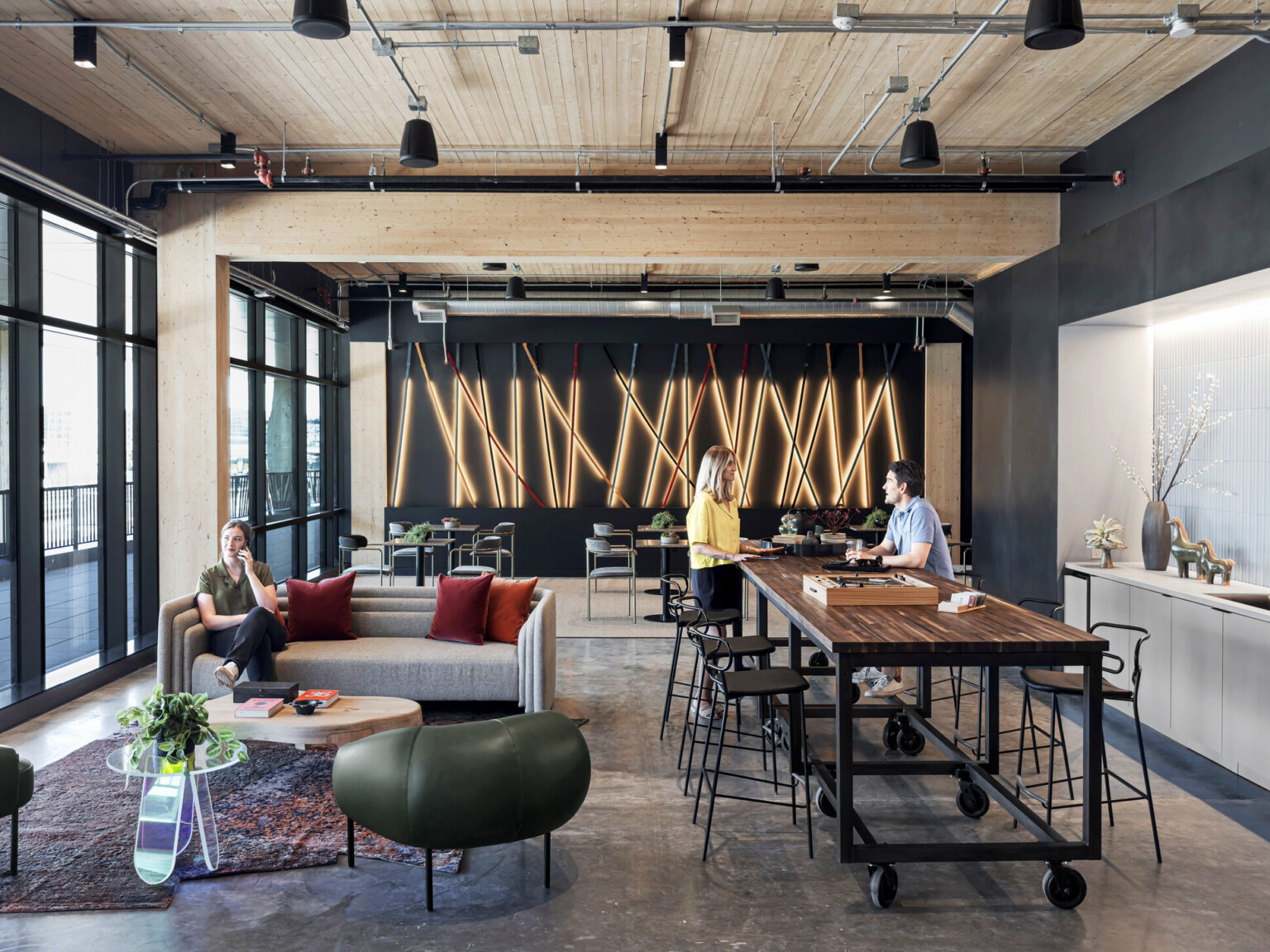
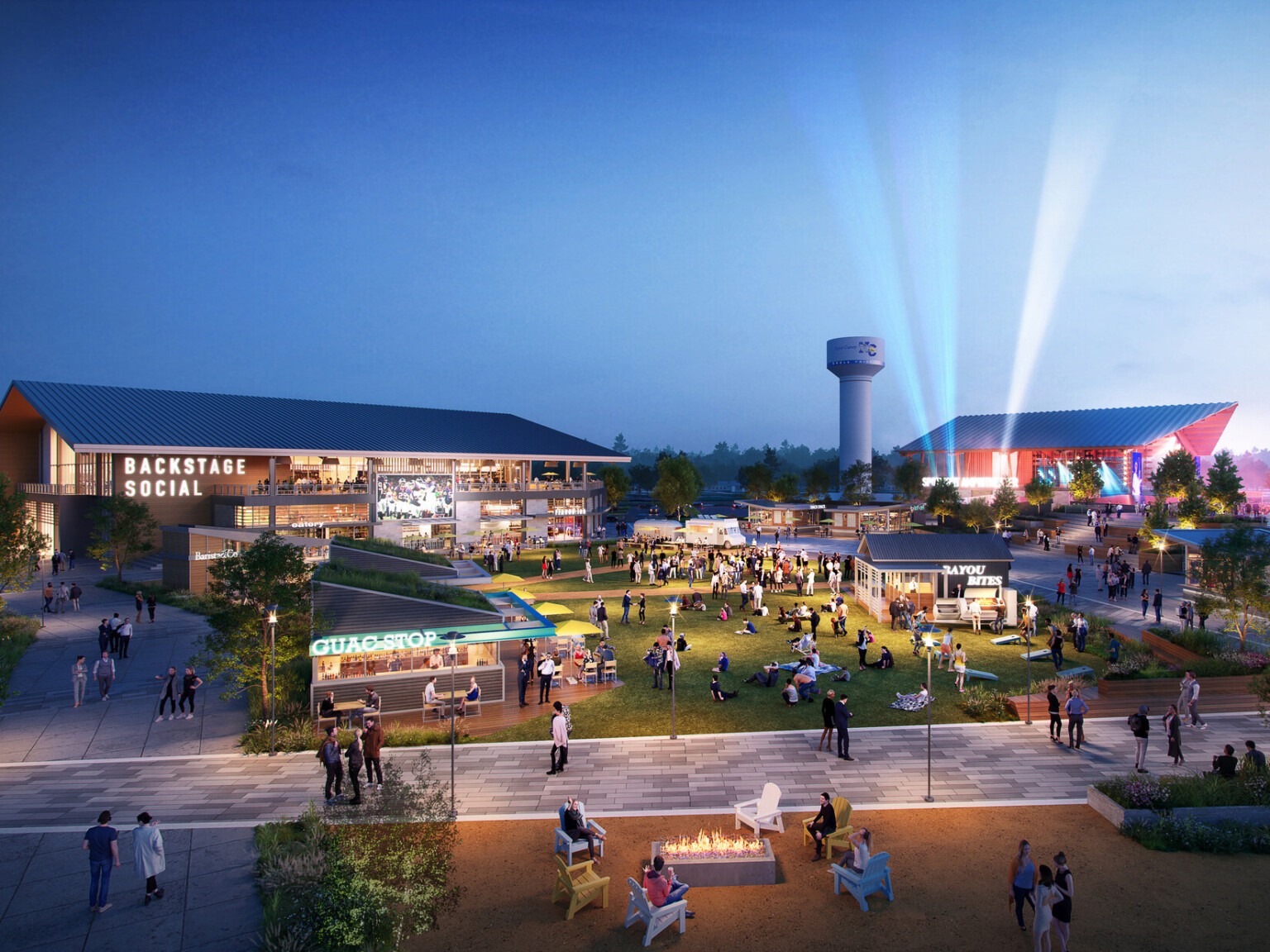
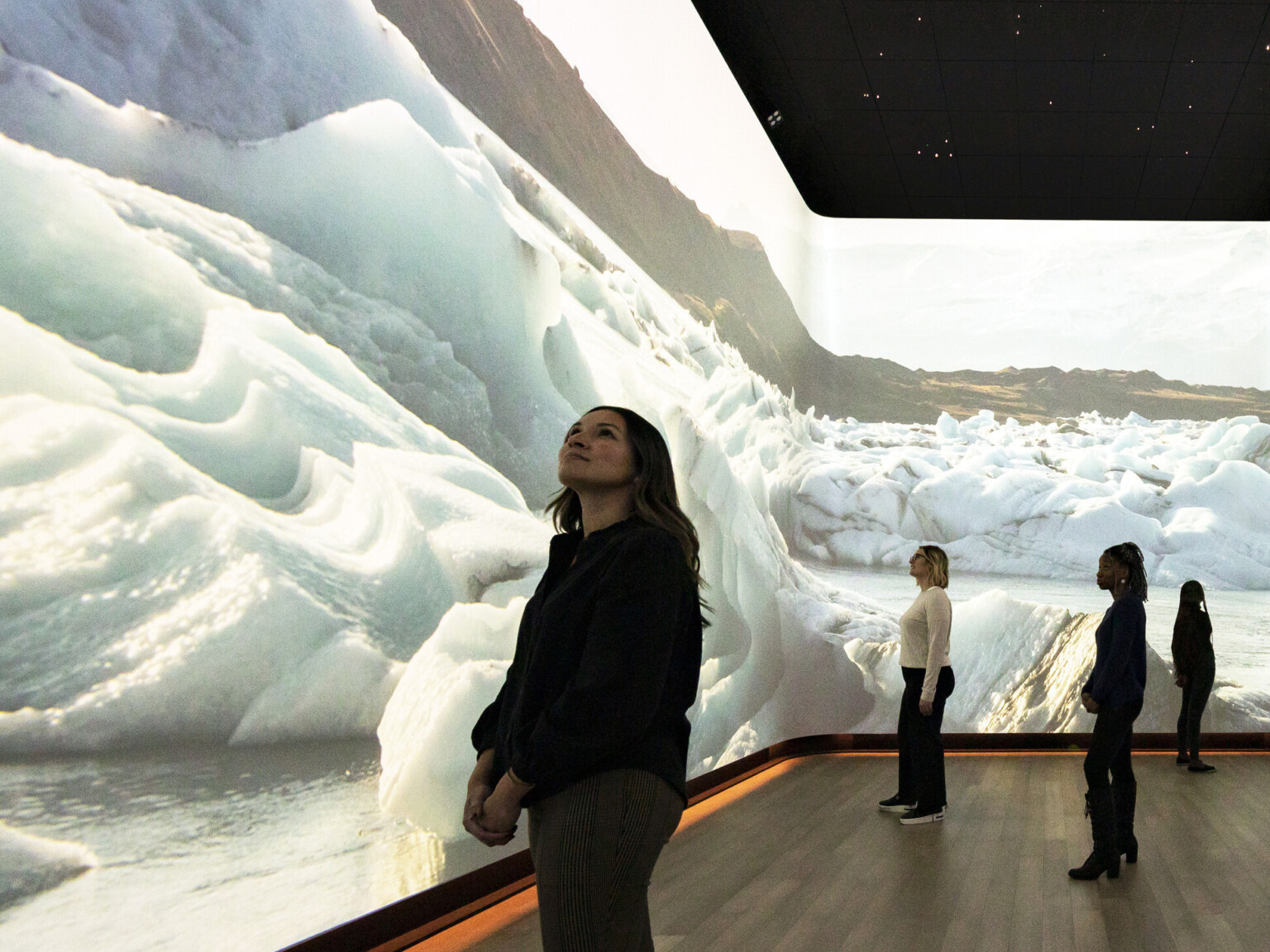
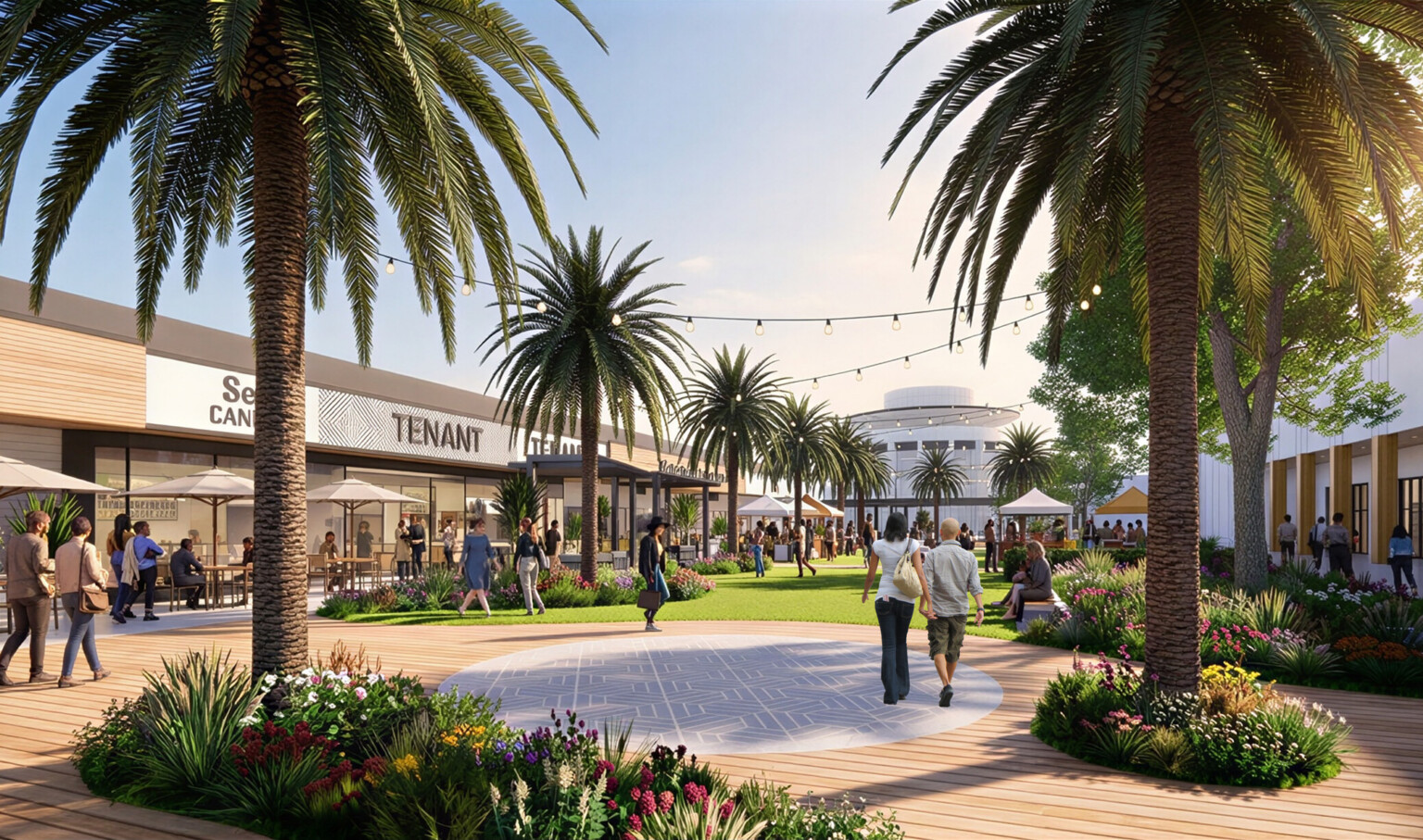
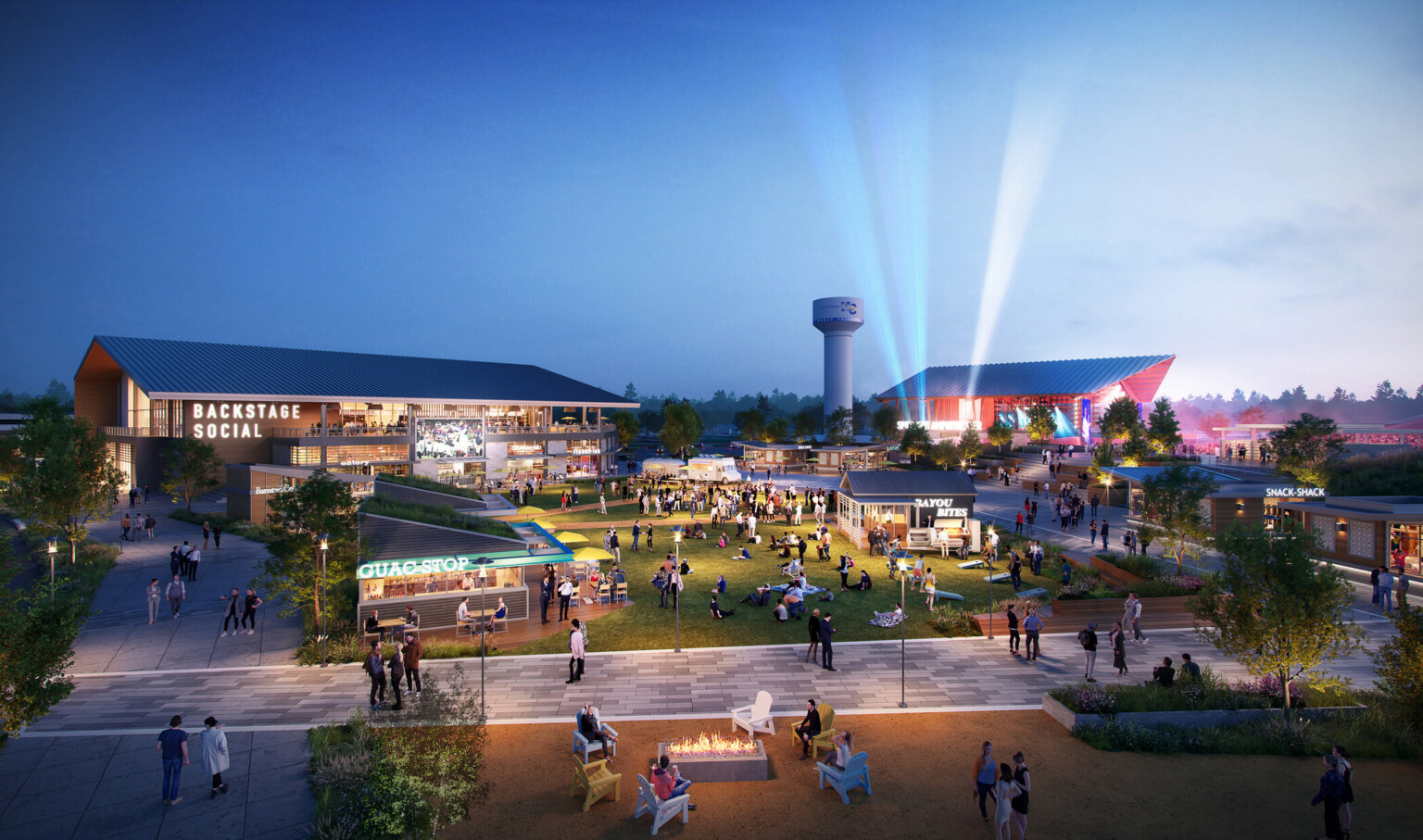
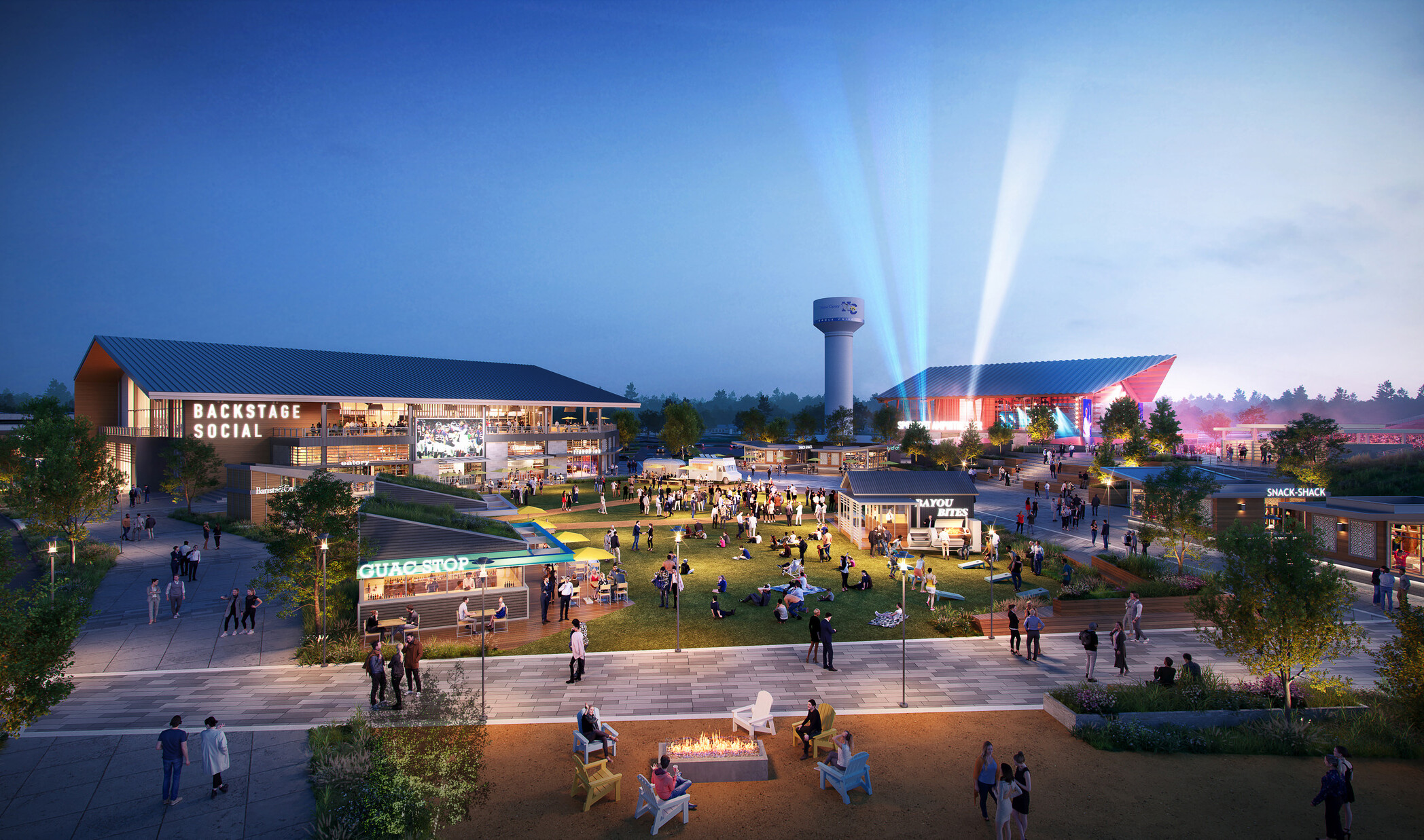
Some of retail’s greatest opportunities exist beyond the lease lines, in the spaces between storefronts. Once transitional, common areas now act as powerful tools for activation, placemaking, and connection. Through intentional design and programming, operators can transform underutilized space into flexible environments that draw people in and encourage them to stay. Landscaping, comfortable and conversational seating, walkable paths, play areas, wellness activations, oversized games, pop-up events, and spaces for live music or community events turn these open spaces into destinations in their own right.
Tenants also play a key role when able to extend their branded experience beyond their doors. Pop-up cafés, themed seating, art installations, interactive digital touchpoints, and exclusive activations blur the line between store and common space, inviting exploration and engagement before shoppers ever step inside the store. Together, landlord and tenant strategies create immersive environments with variety that prioritizes experience over square footage, turning shopping centers into vibrant places where anyone can gather and stay awhile.
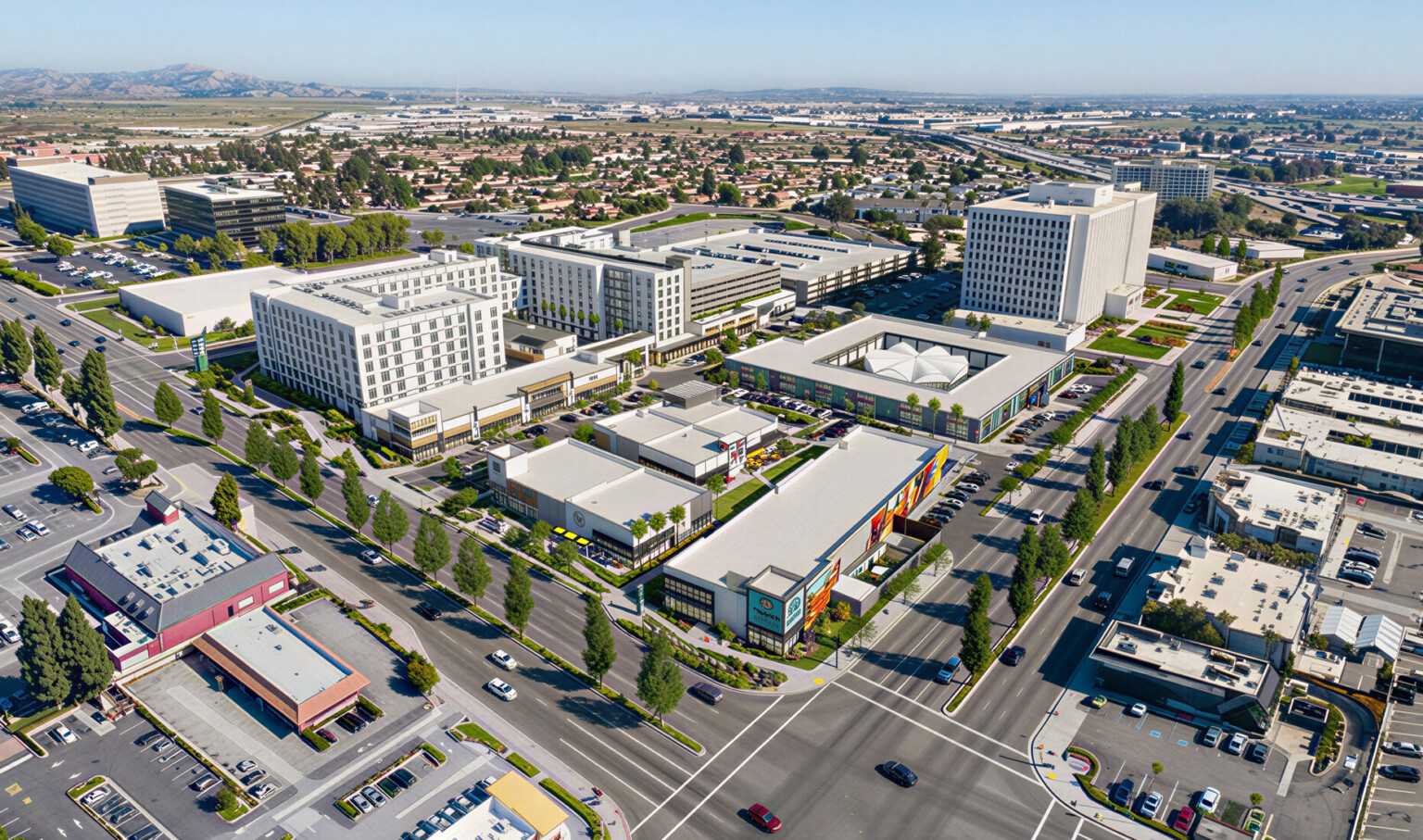
The era of “doing it all” is behind us. Retail success today is not about packing every possible offering under one roof. It’s about knowing who you serve, understanding what matters most to them, and designing experiences that truly deliver. When spaces reflect their communities through purpose-driven design and local expression, they regain relevance and meaning.
In retail’s next chapter, the most successful destinations are intentional, authentic, and built to adapt to changing needs. They are places communities choose not just to visit, but to return to again and again.
Learn more about our approach to placemaking and designing mixed-use and retail environments for tomorrow.
This piece was co-authored with Principal and Mixed-Use Design Leader Jose Sanchez, Assoc. AIA, LEED AP BD+C and Principal and Senior Architect Mark Giles, AIA.

Ideas
Recommended Reads