Resilience in Design: A New Future for U.S. Virgin Islands Schools

The Virgin Islands Department of Education serves nearly 11,000 students across St. Croix, St. Thomas, and St. John. Years of aging infrastructure, exposure to harsh tropical conditions, limited maintenance funding, and high operating costs have strained these schools. Hurricanes Irma and Maria in 2017 underscored the urgent need for resilient, future-ready learning environments. In response, a master plan evaluated more than 45 buildings and 2.7 million SF of learning space, securing $3.68 billion for repairs, modernization, and replacement. This investment, guided by the need for prudent replacement with industry standards outlined in the Bipartisan Budget Act, is transforming education across the territory and redefining what’s possible for the VIDE community.
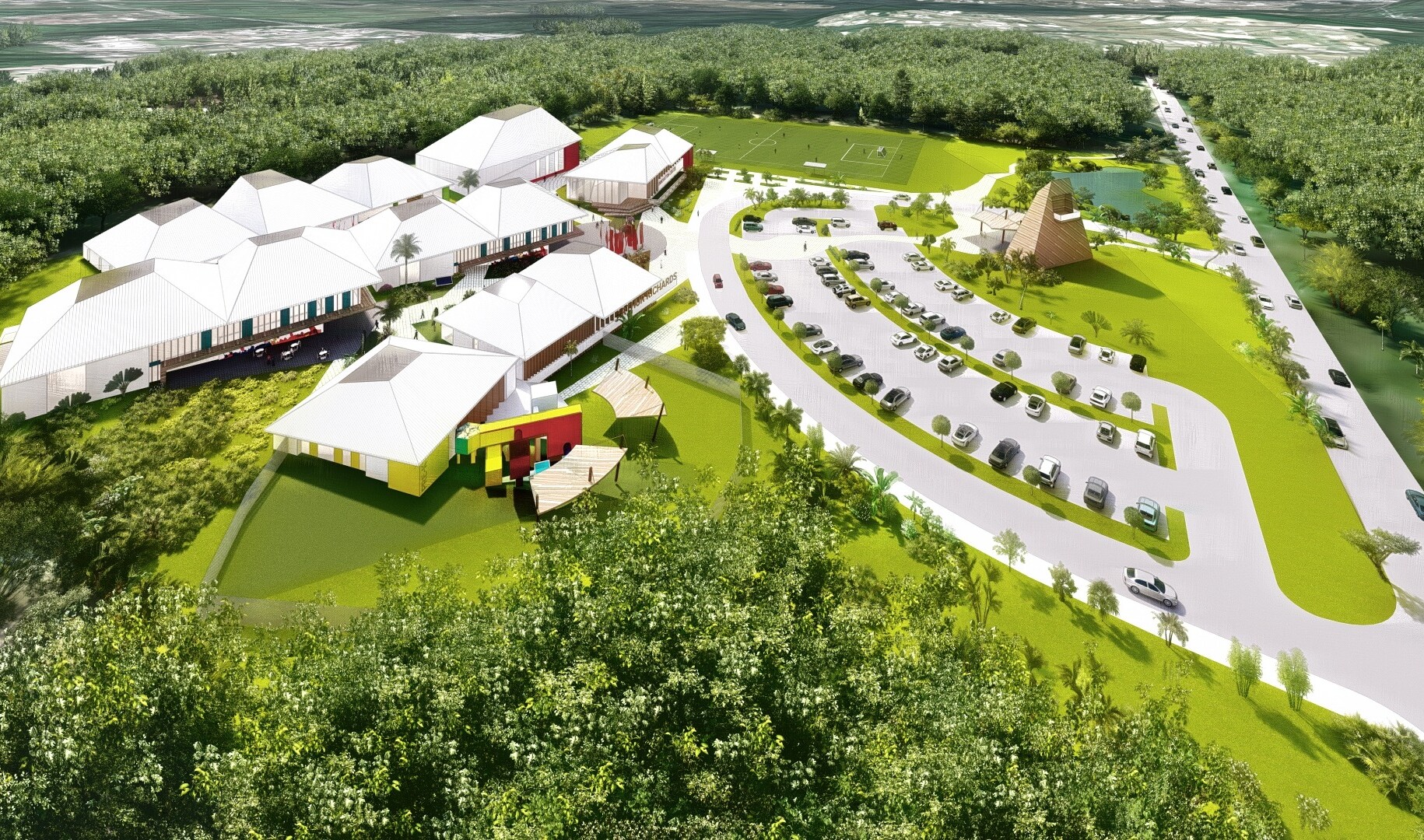
This moment marks more than just recovery; it’s a bold redefinition of what education can look like in the U.S. Virgin Islands with the support of the Bipartisan Budget Act; critical funding allows for this vision to be realized. More importantly, the leveraging of federal funds to maximize a return on investment stands as a precedent that should be understood and realized nationally.
For nearly a decade, we have established ourselves as a trusted partner and expert in delivering the VIDE’s aspirational educational vision. Our architecture, engineering, planning, and specialty design services have been the catalyst for the transformation of 20 educational facilities across the U.S. Virgin Islands. These facilities will empower the VIDE to live out its mission to provide safe and nurturing environments, high quality instruction, and continuous support, so all students succeed in a globally diverse world.
A Blueprint for Resilient Education
VIDE selected us to conduct an educational facilities master plan that sets a new direction for education in the U.S. Virgin Islands. In addition to an assessment that confirmed the need for prudent replacement, the five primary components of the master plan address small learning communities, spatial agility, school safety, resilience, and community connections. These components are informed by a comprehensive set of guiding principles for learning environments established by more than 45 stakeholder groups including government officials, educational leaders, teachers, students, parents, and community and industry partners.
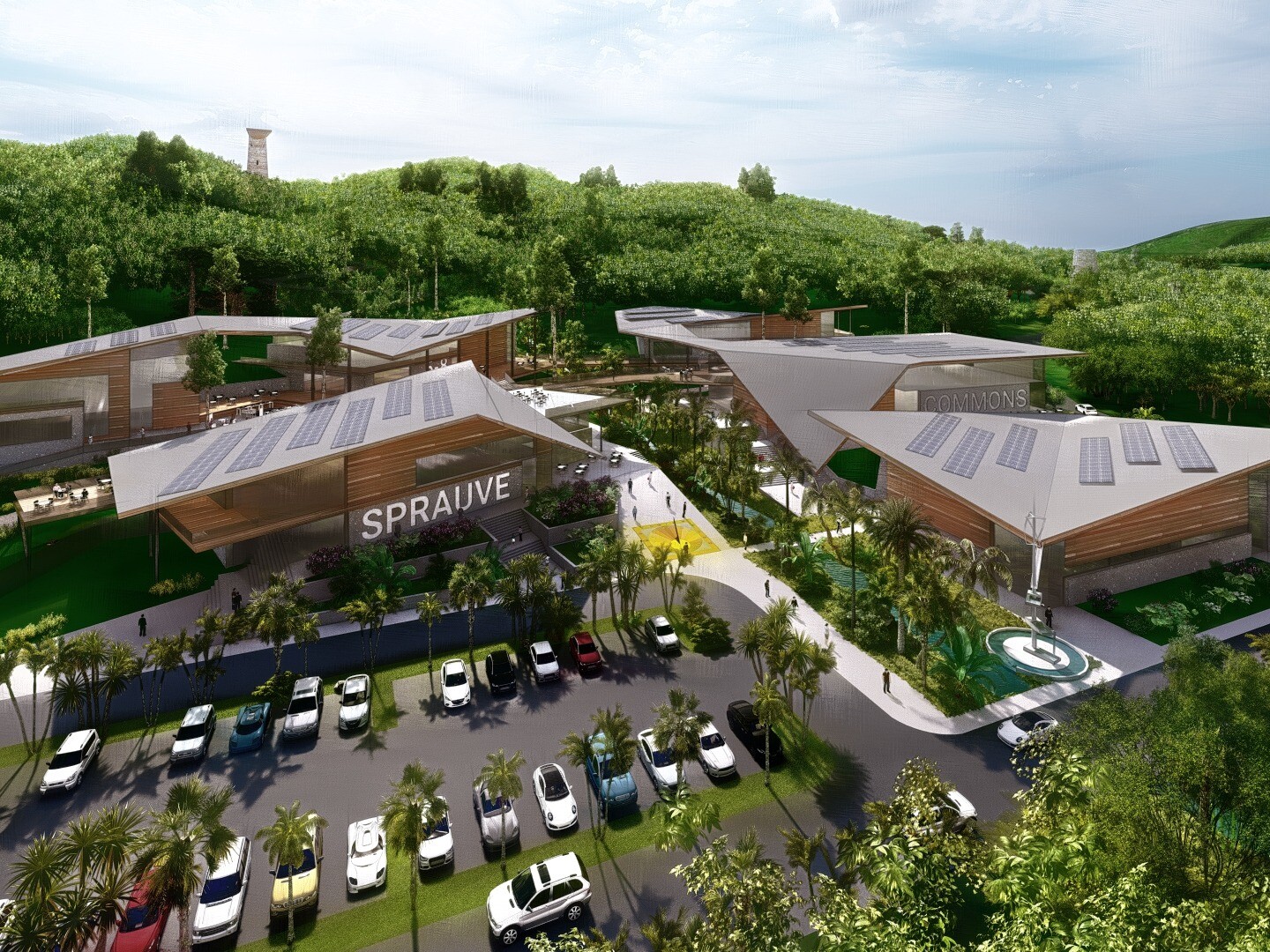
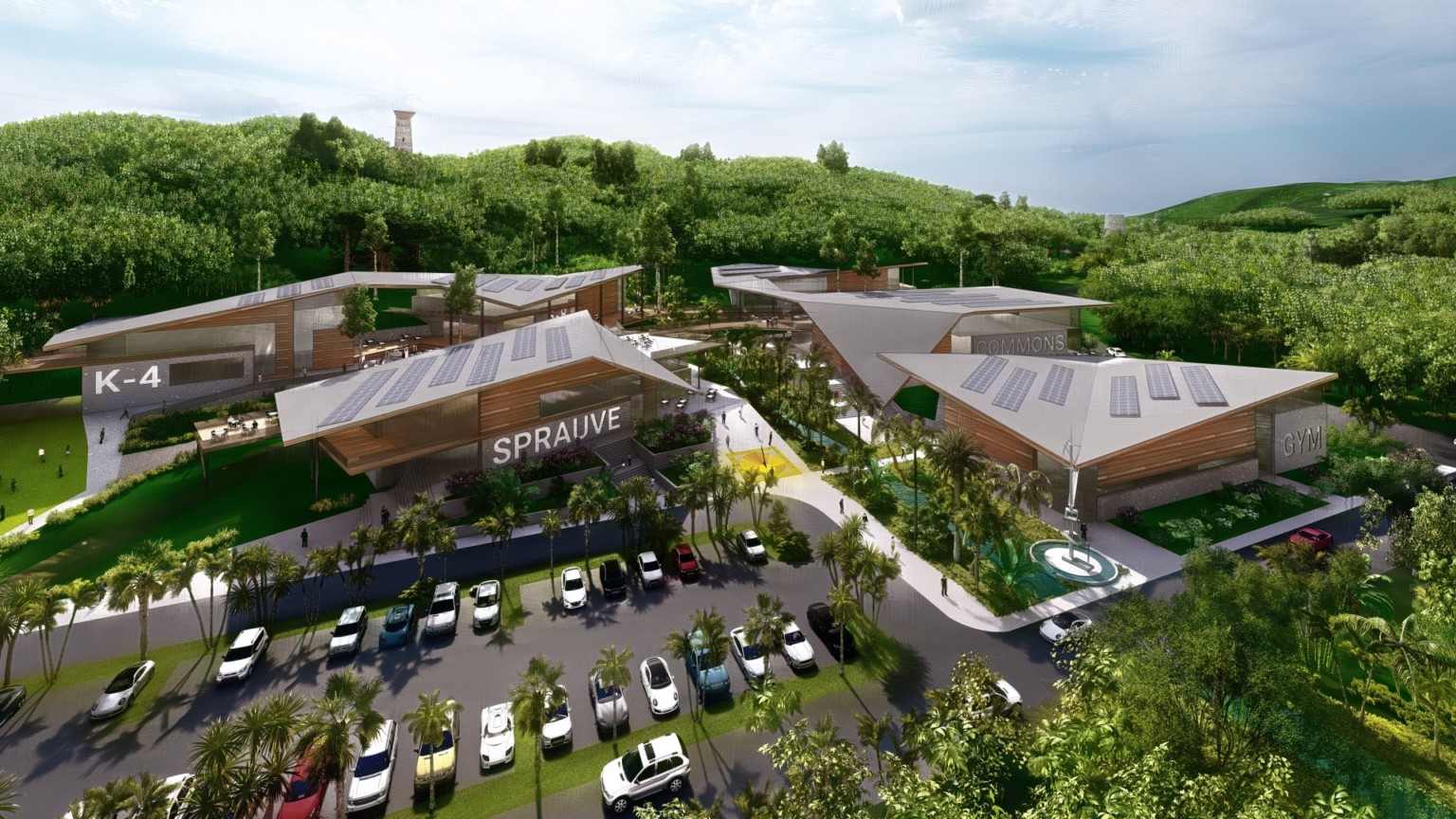
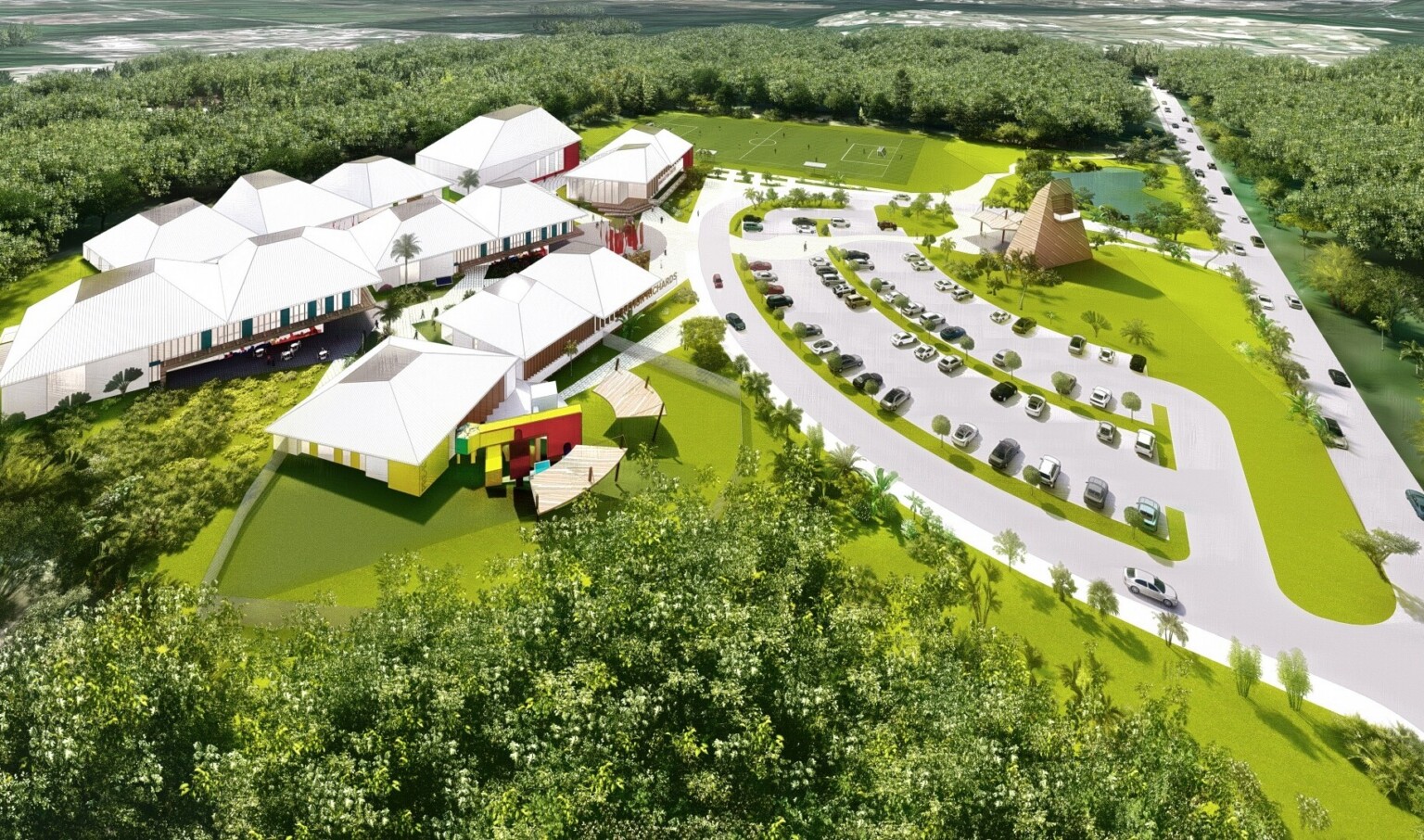
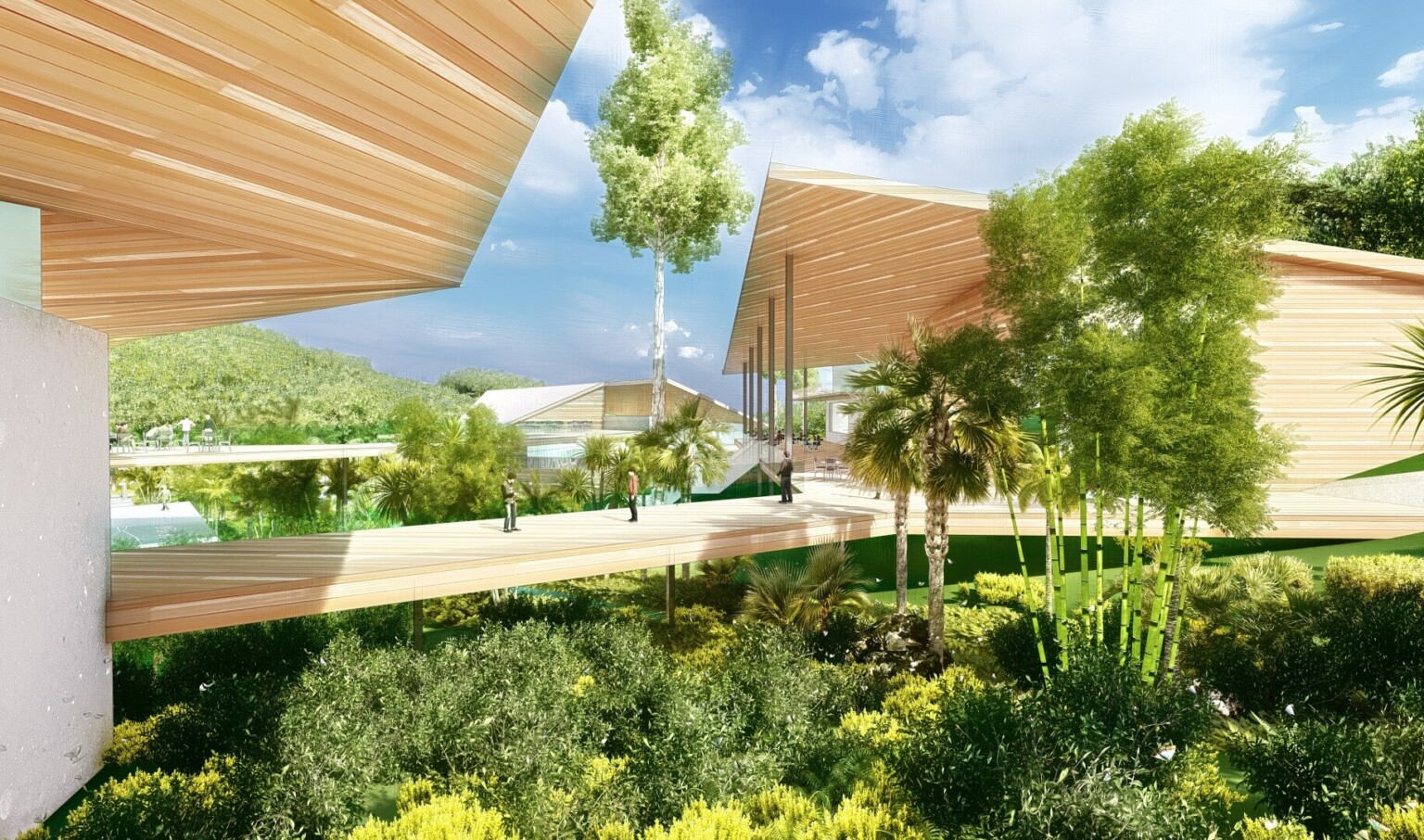
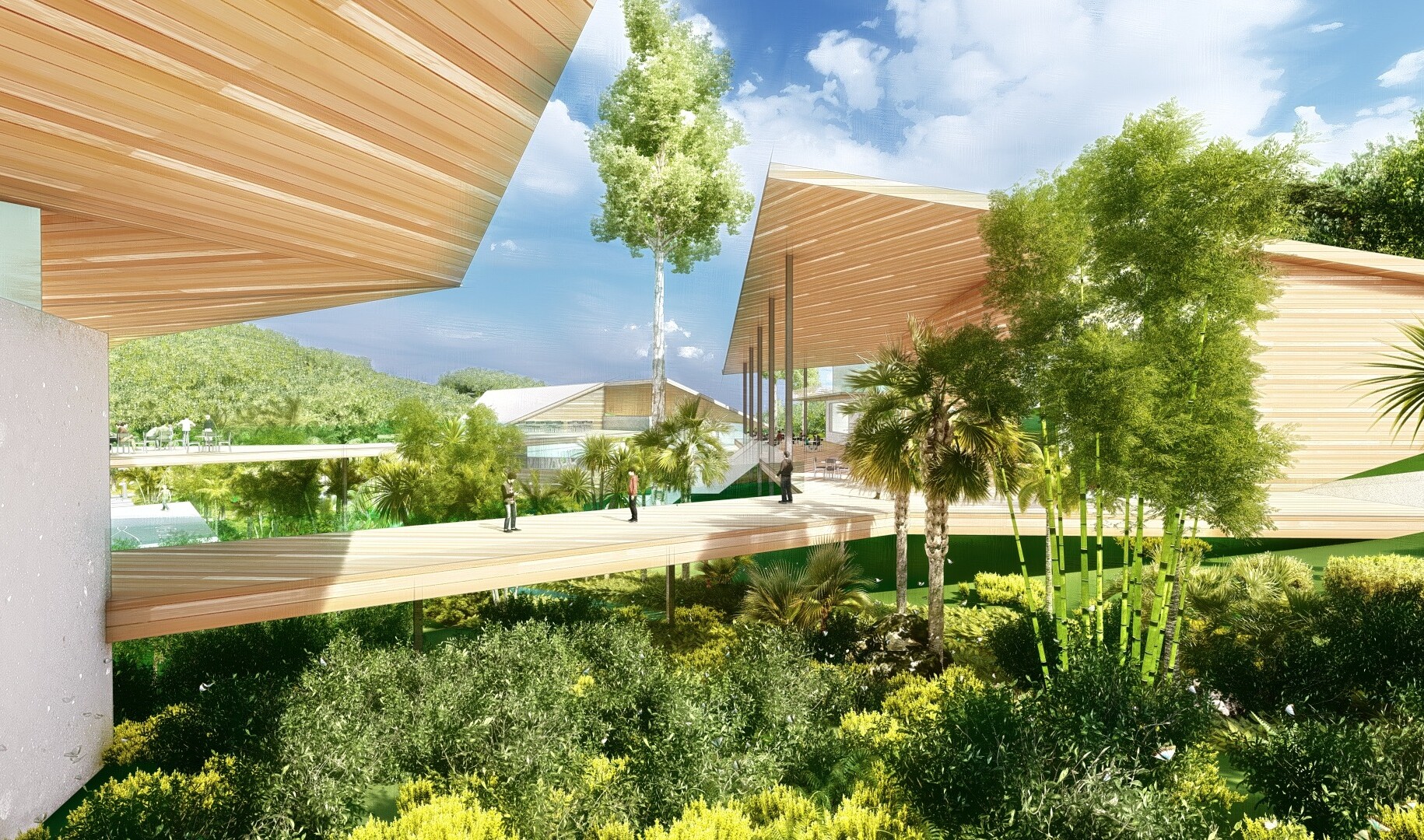
Our integrated design team also set aggressive benchmarks for implementing water and energy resilience into school design to mitigate 50-plus days of instruction currently missed due to power outages. All new and modernized schools are designed to be net zero water and energy actual, incorporating systems that support onsite water collection and treatment, and renewable energy generation and storage. Solar panels, water collection systems, and alternate emergency backup capabilities are part of the overall infrastructure included in the facilities master plan. These recommendations were ultimately incorporated into the bridging documents that helped to confirm funding models. Passive design strategies, such as east-west building orientation, extended roof overhangs, and shaded outdoor learning areas, enhance natural ventilation and cooling for each of the campuses.
Resilience is a cornerstone of our work in the U.S. Virgin Islands, addressing the region’s vulnerability to hurricanes, seismic activity, and tropical conditions. The master plan includes assessments and modernization of hurricane-damaged schools, guided by design principles that emphasize safety, adaptability, and rapid recovery. Our design team defined and oversaw compliance with FEMA and the Bipartisan Budget Act to ensure that all projects meet federal standards for disaster recovery and future risk mitigation with a return on investment approach. Community engagement played a vital role, with stakeholder workshops shaping guiding principles for learning environments that promote long-term well-being and operational continuity.
What’s Next?
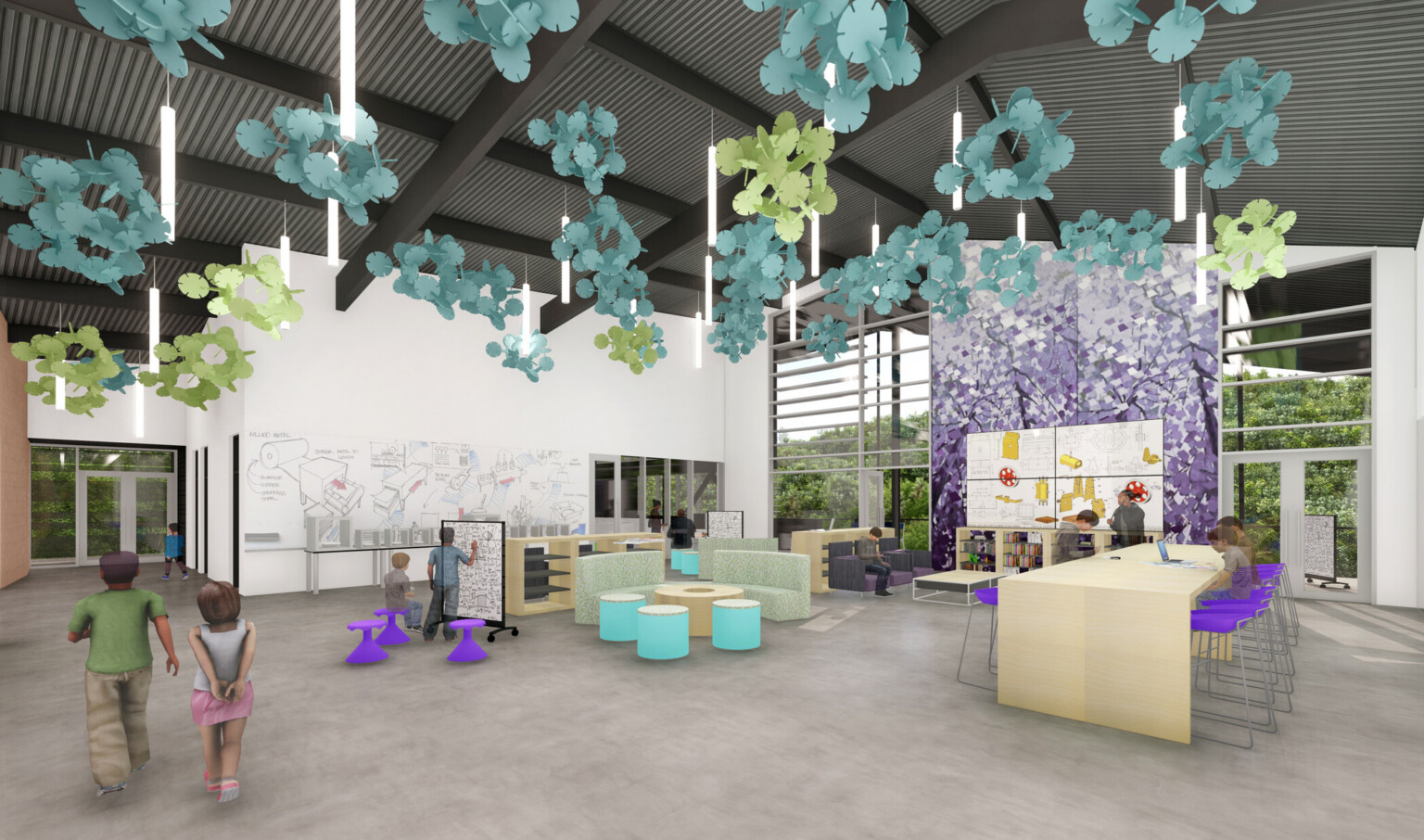
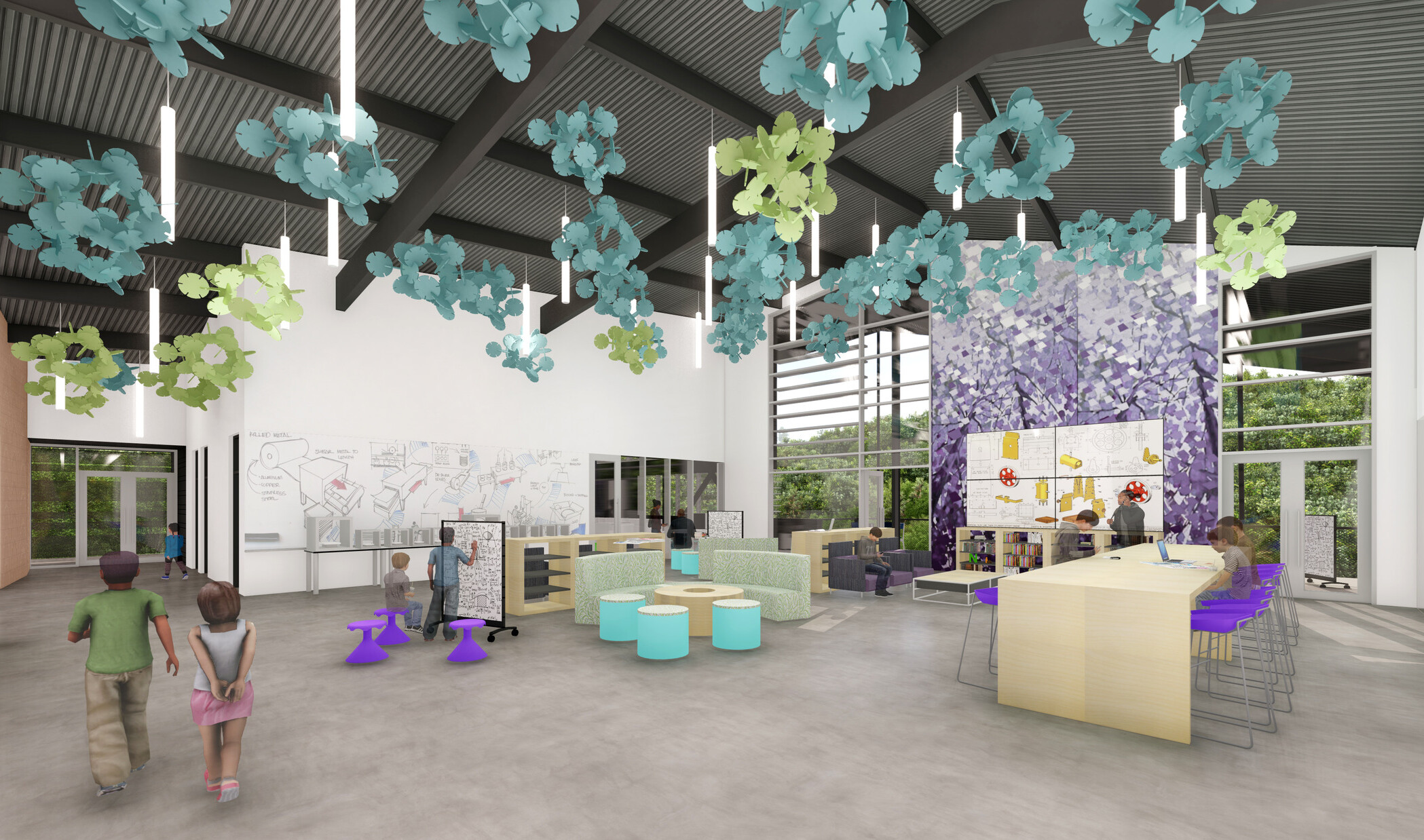
Using the educational facilities master plan and tailored bridging documents as a north star, we partnered with VIDE leaders to identify and prioritize facilities projects that will bring future-ready learning environments across St. Croix, St. Thomas, and St. John.
Over the next 10 years, the VIDE plans to repair, alter, modernize, and replace over 20 educational campuses across the territory. VIDE staff will engage with our BOLD services in professional learning to ensure they maximize the upgraded facilities to improve student engagement and learning.
What’s rising across St. Croix, St. Thomas, and St. John isn’t just a portfolio of new schools, it’s a resilient promise to future generations. This is education rebuilt stronger, smarter, and purposefully forward-looking, ensuring recovery isn’t restoring the past – it’s reimagining what’s possible for the future.
Ideas
Recommended Reads