Client
U.S. Virgin Islands Department of Education
Area
125,000 SF
Cost
$235 Million
Students
550
Designed to Endure
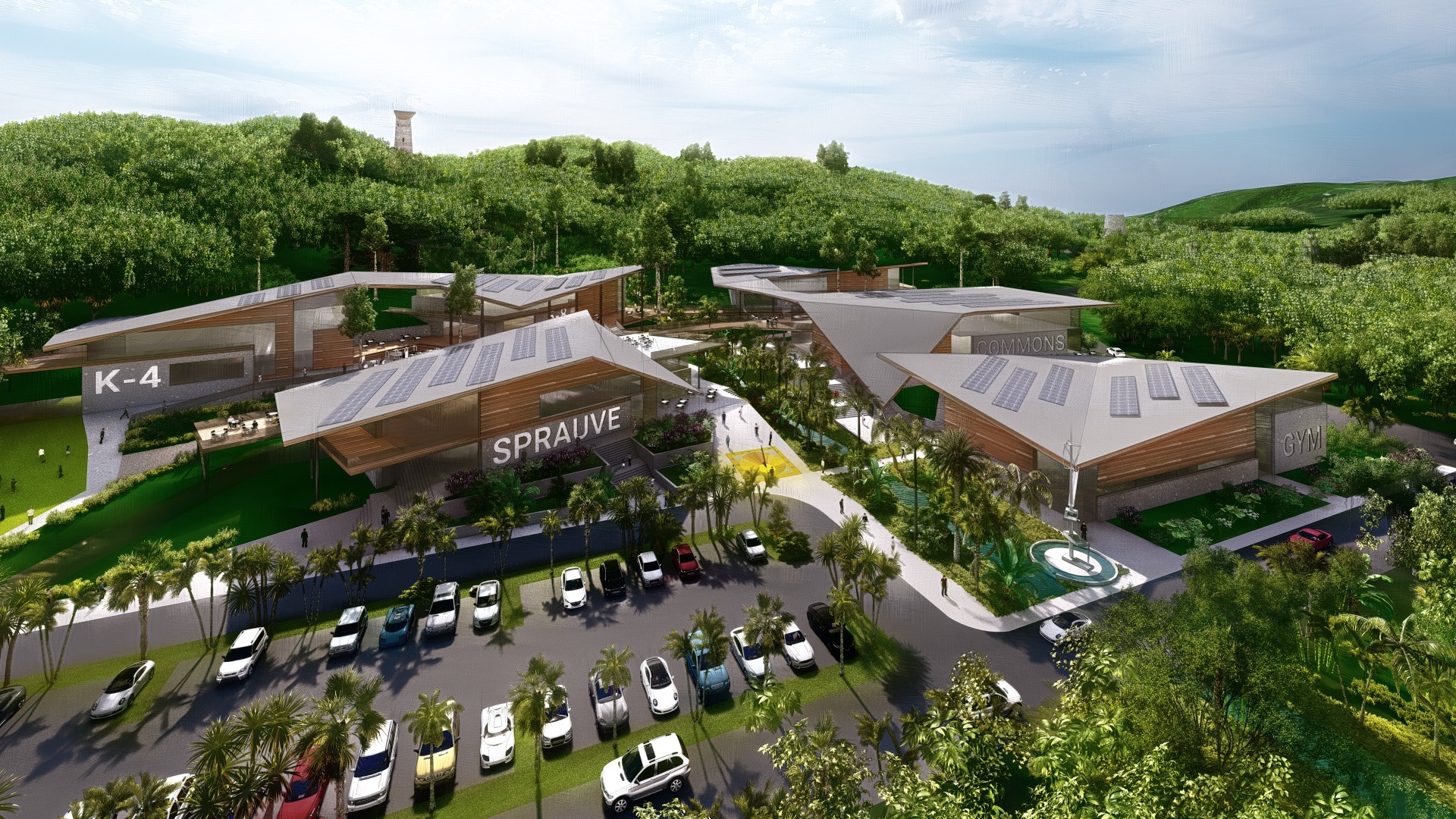
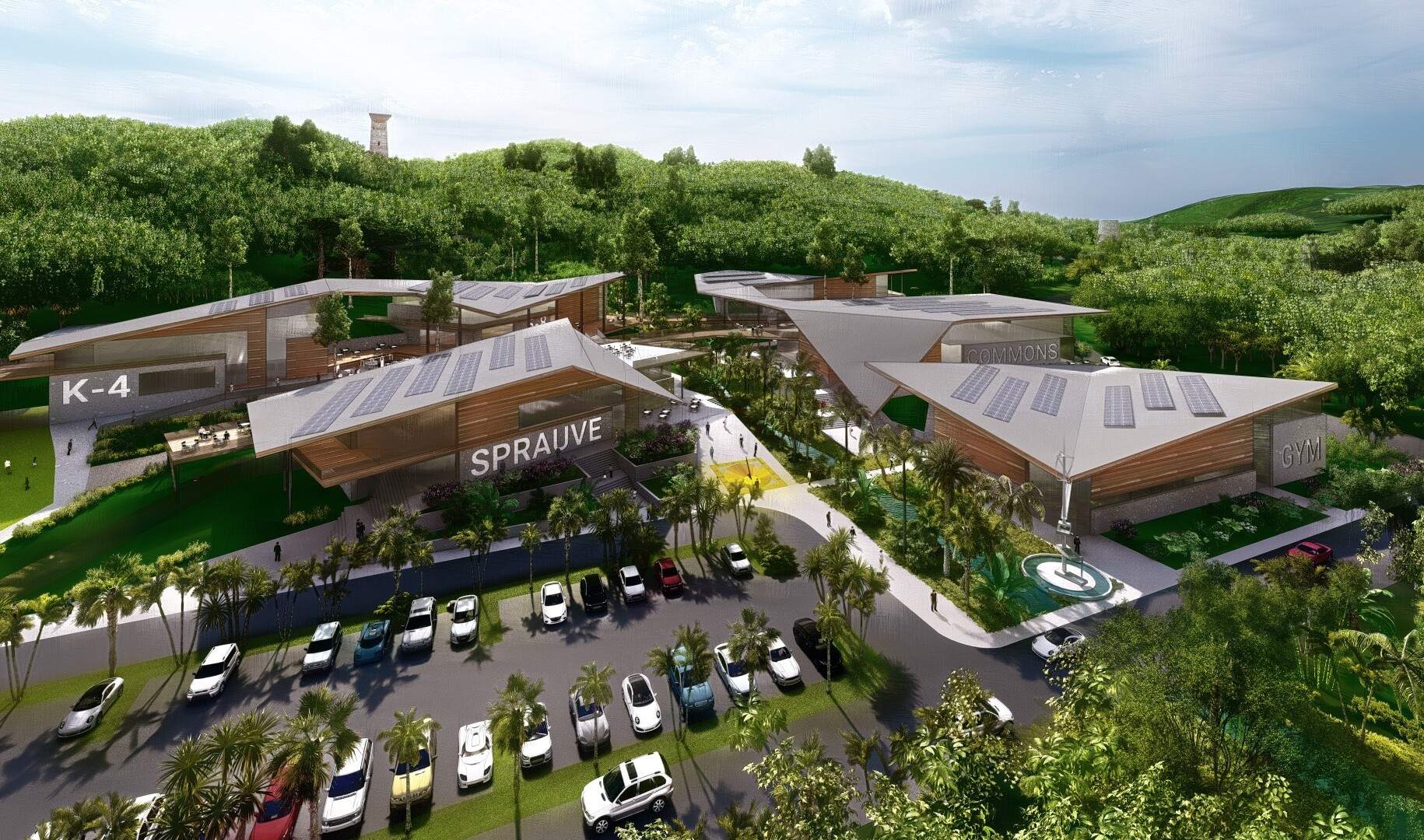
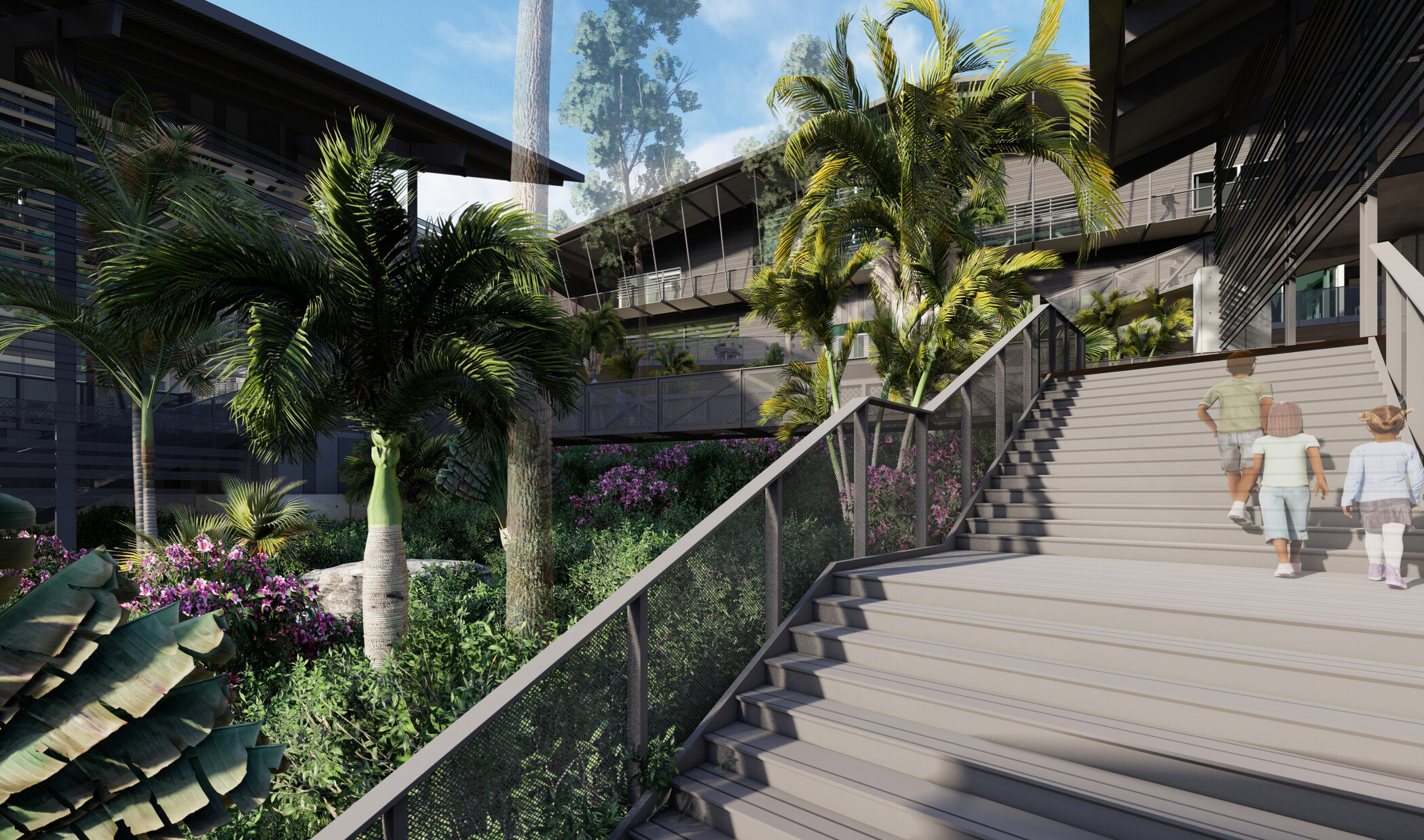
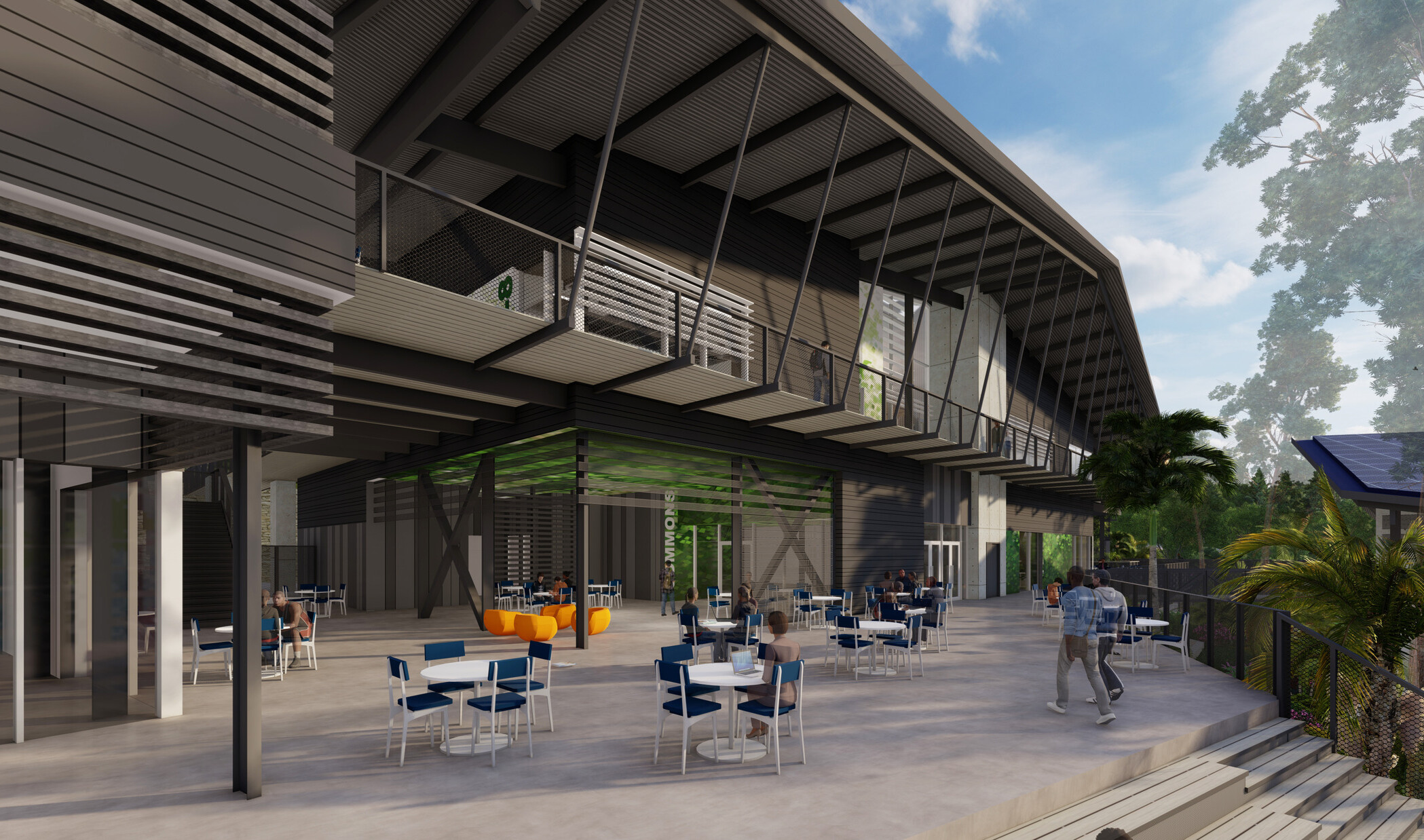
We took sustainability and resiliency imperatives the VIDE prioritized in its vision and master plan and infused them into every aspect of the locally inspired design. The result is an educational facility that prioritizes responsible energy use, cultivates a future-proof learning environment, and serves the diverse community needs of St. John.
Prioritizing Lifelong Learning
At the forefront of our sustainability measures is learning. Designing a facility that creates lifelong learners is paramount at Sprauve. The mixture of flexible classrooms, labs, makerspaces, and common spaces creates a diverse learning environment. It promotes STEAM, STEM, and CTE opportunities and gives every student the resources to take ownership of their learning environment. In addition, curated courses connect the National Park System to local context and culture, making the learning environment at Sprauve uniquely tied to St. John.
The VIDE identified eight sectors in its Vision 2040 as top priorities to inspire, develop, and retain top local workforce talent. Programs in agribusiness, costal/ocean resources, health sciences, light manufacturing, professional/technical services, renewable energy, research and development, and tourism future-proof the U.S. Virgin Islands' economic talent pipeline.


Self-Sustained Systems
Access to water on St. John is limited. No perennial streams exist, and the few spring-fed pools and ponds on the island are difficult to sustain and rarely keep up with evaporation levels. Most of the water on St. John is procured from rain catchments, wells, and shipments from St. Thomas.
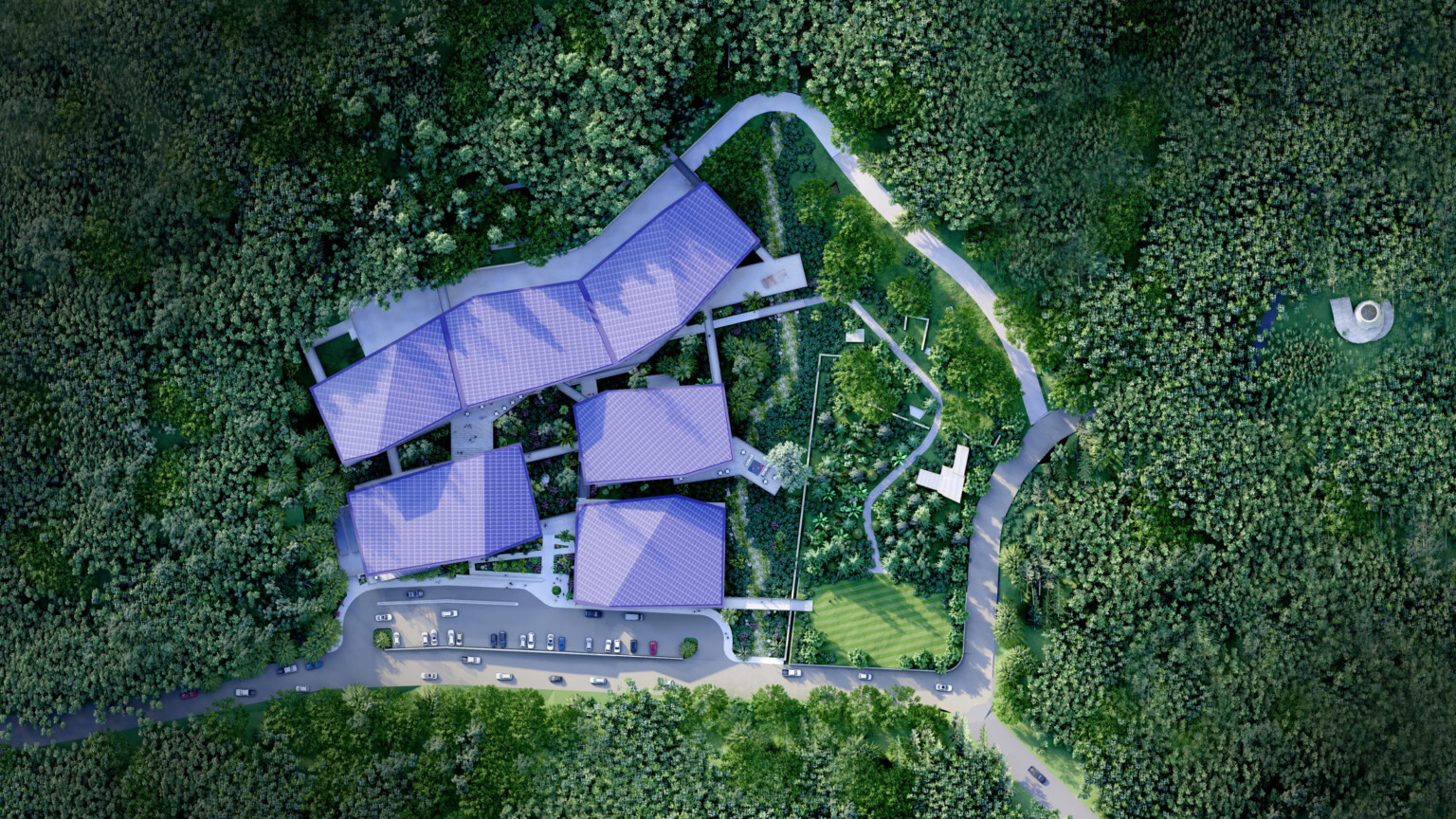
Sprauve’s self-sufficient water system is just one of the focal points of sustainability. The on-campus water treatment plant drives an underground 320,000-gallon cistern water storage system. The potable water system features modular particulate, carbon, reverse osmosis, and ultra violate filtering systems to provide healthy and reliable drinking water. The closed loop system achieves a net-positive water system and creates a 30% reduction in water usage. It also supports water for flushing and fire protection water.
Powering the Grid
St. John experiences power outages almost daily. During this time, every school must be taken offline, creating detrimental disruptions to teaching and learning. Our design allows the building to be as functional as possible in the event of system failures. Its systems are easily maintainable and carefully consider operational efficiency and functionality for users to help reduce energy consumption while supporting school and community use.
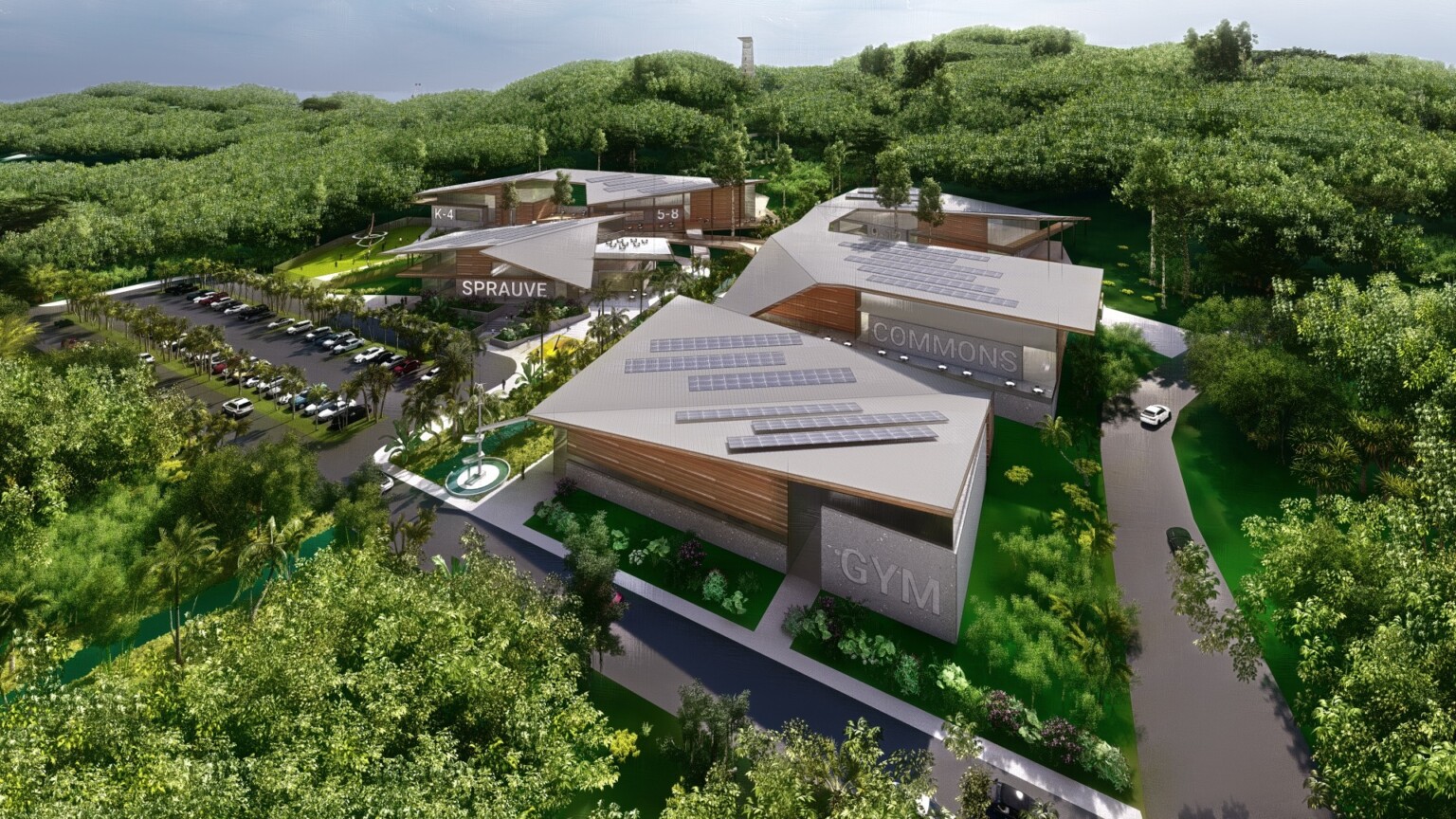
The school serves as an energy island. Photovoltaic panels create 105% of the campus’ energy needs, making Sprauve a net positive energy campus. Batteries and battery storage infrastructure allow for continuous operation of the school when power from the photovoltaic panels isn’t available. While the campus is not dependent on the St. John energy grid, it is connected to supplement the community’s power needs when the school’s power demand is lower than the total system capacity.

Materials that Matter
Sprauve supports a healthy interior environment. In addition to cost and energy savings using photovoltaic panels and cisterns, it improves indoor environmental quality, acoustic and thermal comfort, balances natural and artificial light, and provides biophilic measures with pest management. The selection of materials for the structure and finishes was an intentional process.
Designers worked to specify products within Living Future’s Red List guidelines, while also being cognizant of the remote site and the unique oceanic climate of the U.S. Virgin Islands. Removing unnecessary materials or materials that had drastic sourcing distances helped lower the embodied carbon and negative health impacts.
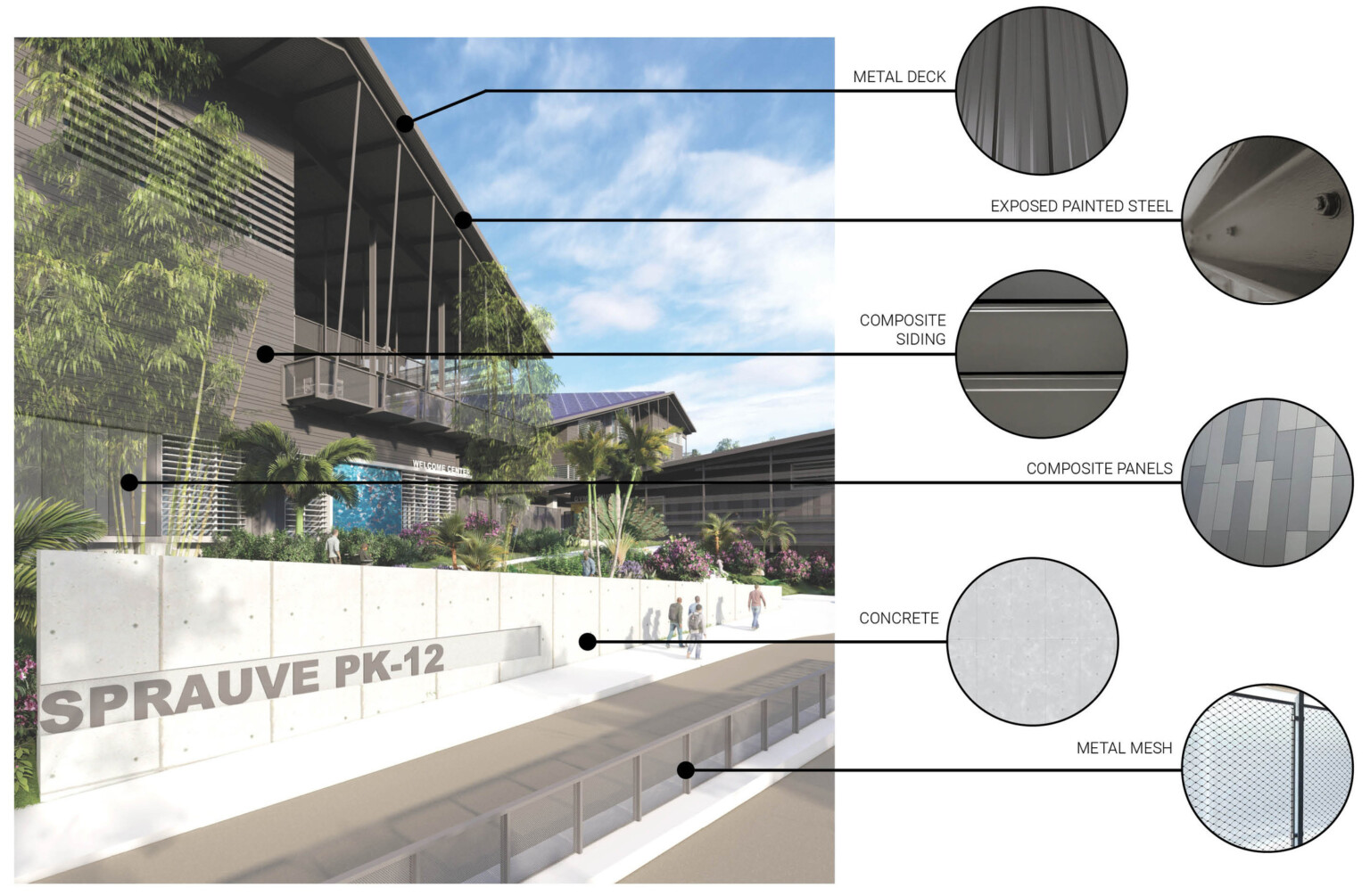

Access through Resiliency
Our design for Sprauve is guided by a set of facility-centered equity principles developed through visioning workshops and campus tours. They prioritize the equity of access to learning, services, community ideology, and facilities. These principles give every student the ability to reach their highest potential, which breeds success across St. John and the U.S. Virgin Islands.
Additionally, Sprauve is designed to be an inclusive hub for everyone: students, staff, parents, neighbors, and businesses through the provisions of Title 1 programming, free and reduced meals, and a FEMA shelter. The school includes access to supplies, technology, and reliable internet connectivity for the entire community.
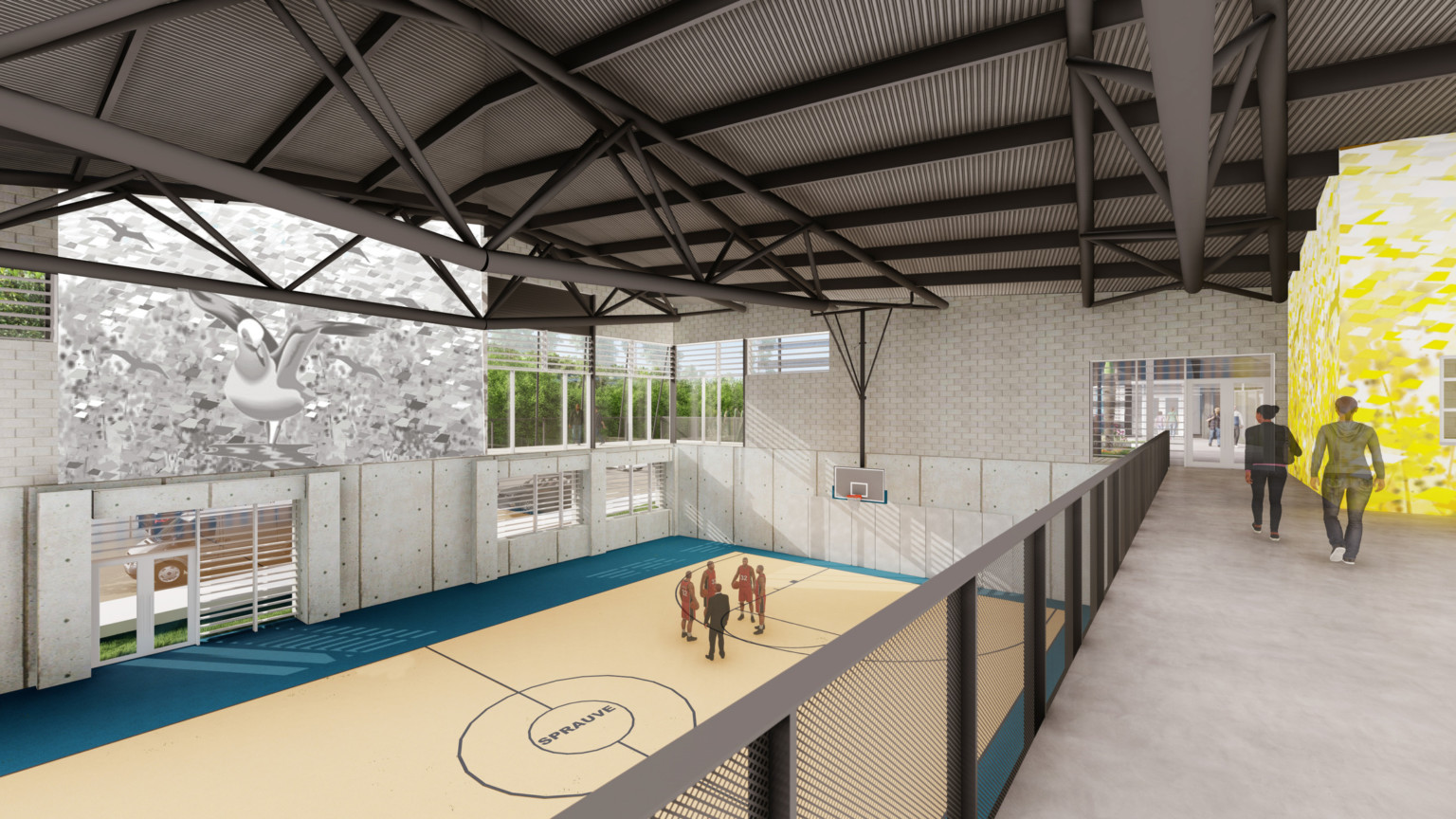
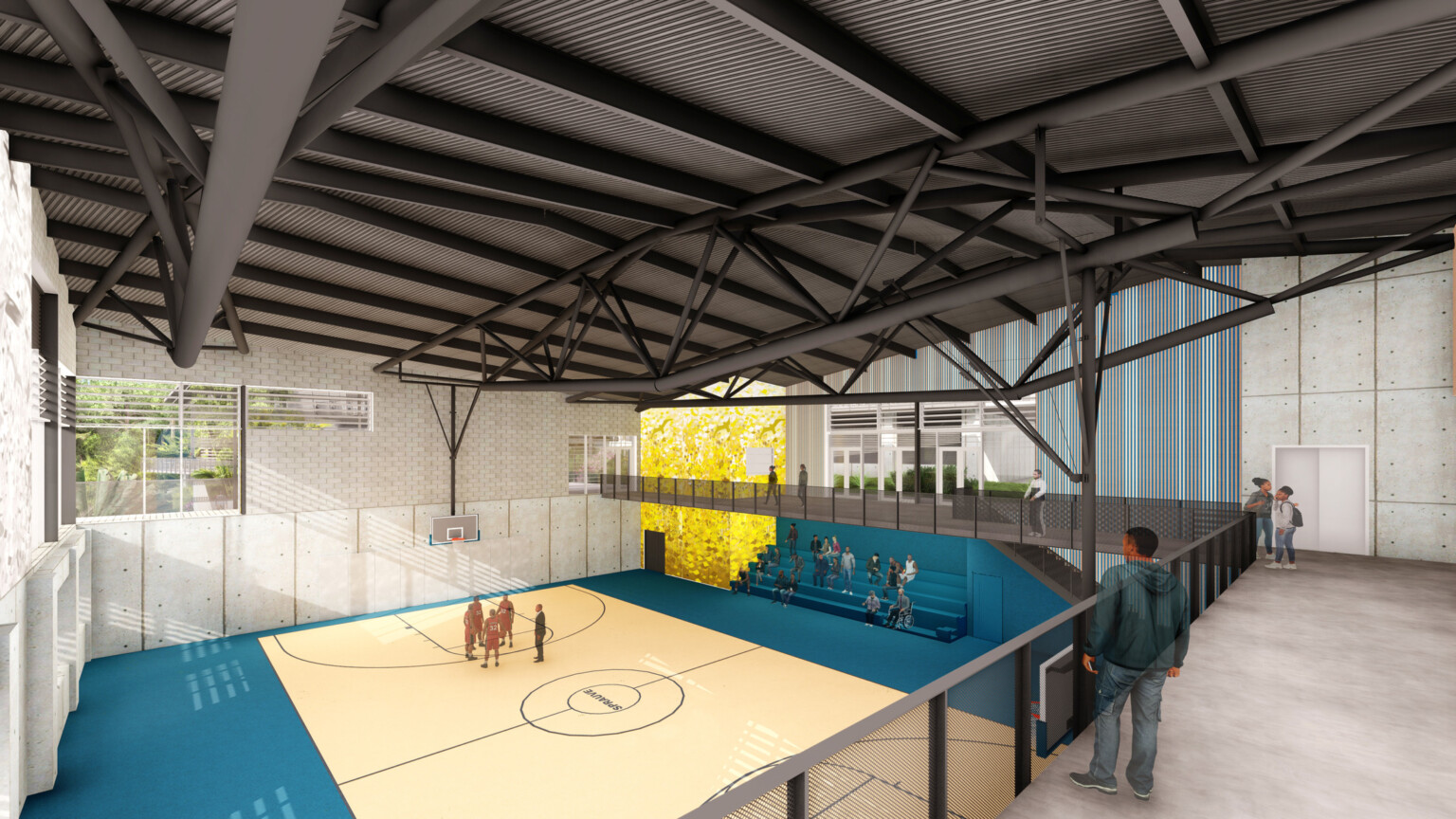
The sustainability and resiliency principles established through the integrated design for Sprauve perpetuate into the rest of the educational facilities across the U.S. Virgin Islands. Using the educational facilities master plan and tailored bridging documents as a north star, we helped VIDE leaders identify and prioritize facilities projects that will bring future-ready learning environments across St. Croix, St. John, and St. Thomas.
Their vision and master plan bring sustainably focused education to every learner. Over the next 10 years, the VIDE will strategically consolidate into 20 renovated or rebuilt educational facilities.