Skip Main Links

Climate

Improving Quality of Life for People and Planet

Climate action calls us to urgently mitigate the environmental impacts of human systems. Our core value of environmental stewardship commits us to sustainable design, carbon reduction, and resource balancing as pathways to a healthier, more resilient future.

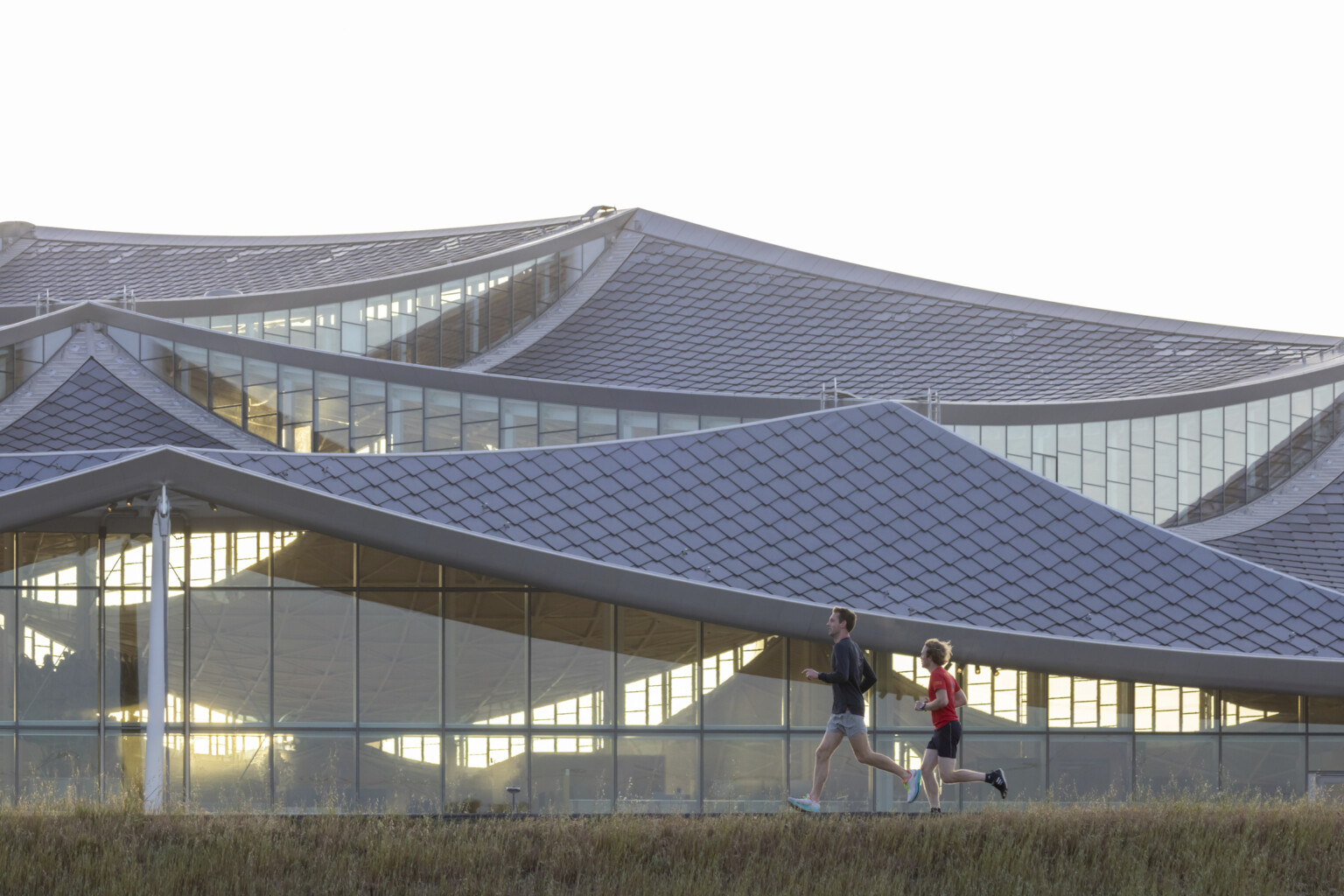
Two people running in front of a building with an all glass facade and rectangular glazing units and a tiled sloping roof; google bay view
BY THE NUMBERS

2025 Climate Impact

2.4 M

metric tons of carbon reduction

3,421

megawatts added to our seven-gigawatt solar portfolio

53%

average energy use intensity on 32.5M SF tracked through AIA DDX

Climate Strategies

Every material choice, every watt, every wall we keep or tear down carries a carbon cost. Tomorrow demands that we account for it all, and design accordingly.


01
Energy Master Plans

Portfolio-wide Assessments

Energy master plans chart a comprehensive path toward reduced consumption, cleaner power sources, and lower emissions. They position our clients to meet sustainability targets while realizing cost reductions.

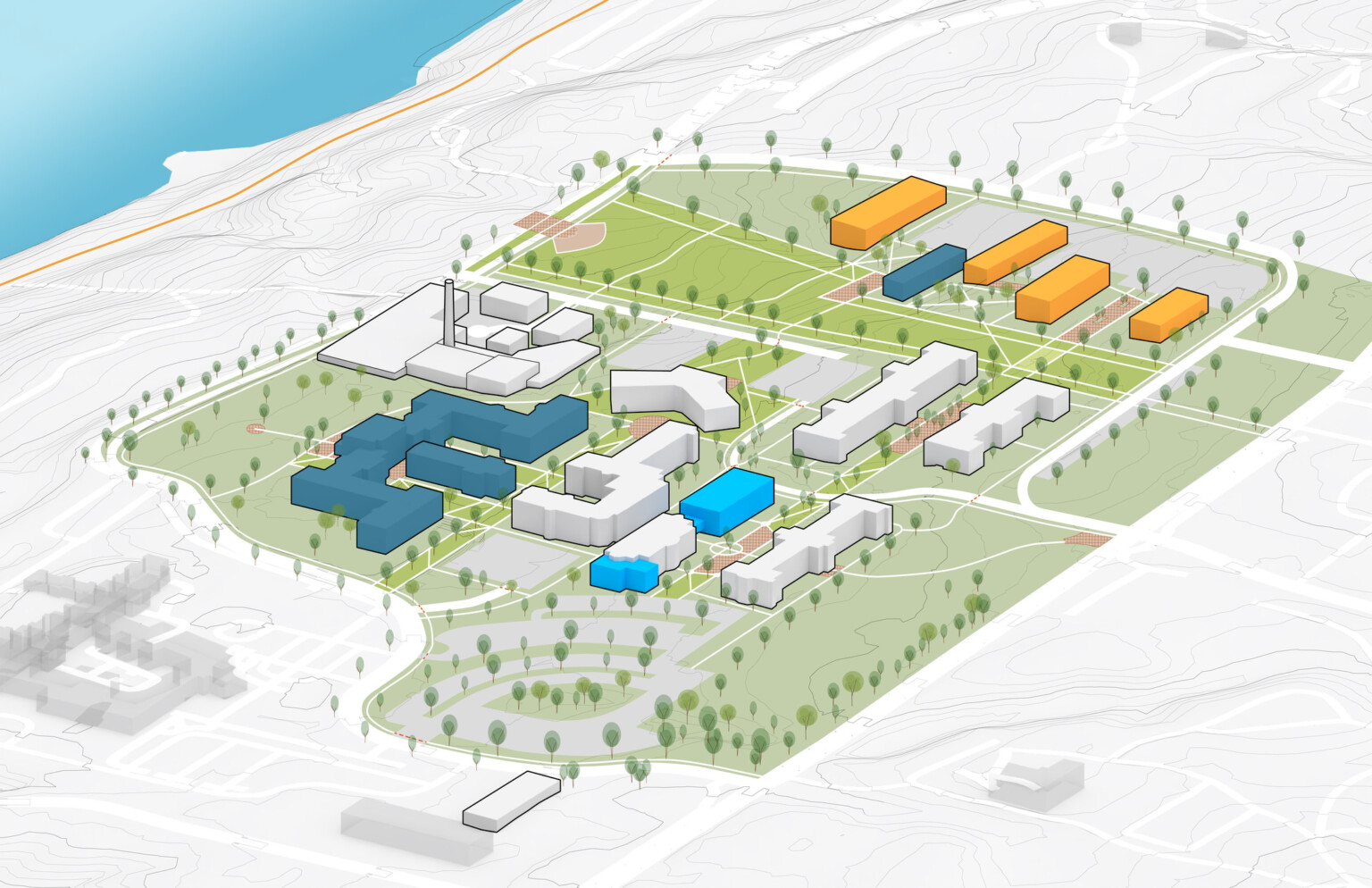
Master plan for location with multiple colorful buildings identified to show plan

A comprehensive evaluation of 2M SF of aging real estate prepares for the State of Maine's energy and greenhouse gas emission goals.

02
Net Zero Energy

Self Sustaining Operations

Net zero energy buildings generate as much energy as they consume annually. This translates to dramatic savings through eliminated or minimal utility bills, enhanced property values, and protection against volatile energy prices. 

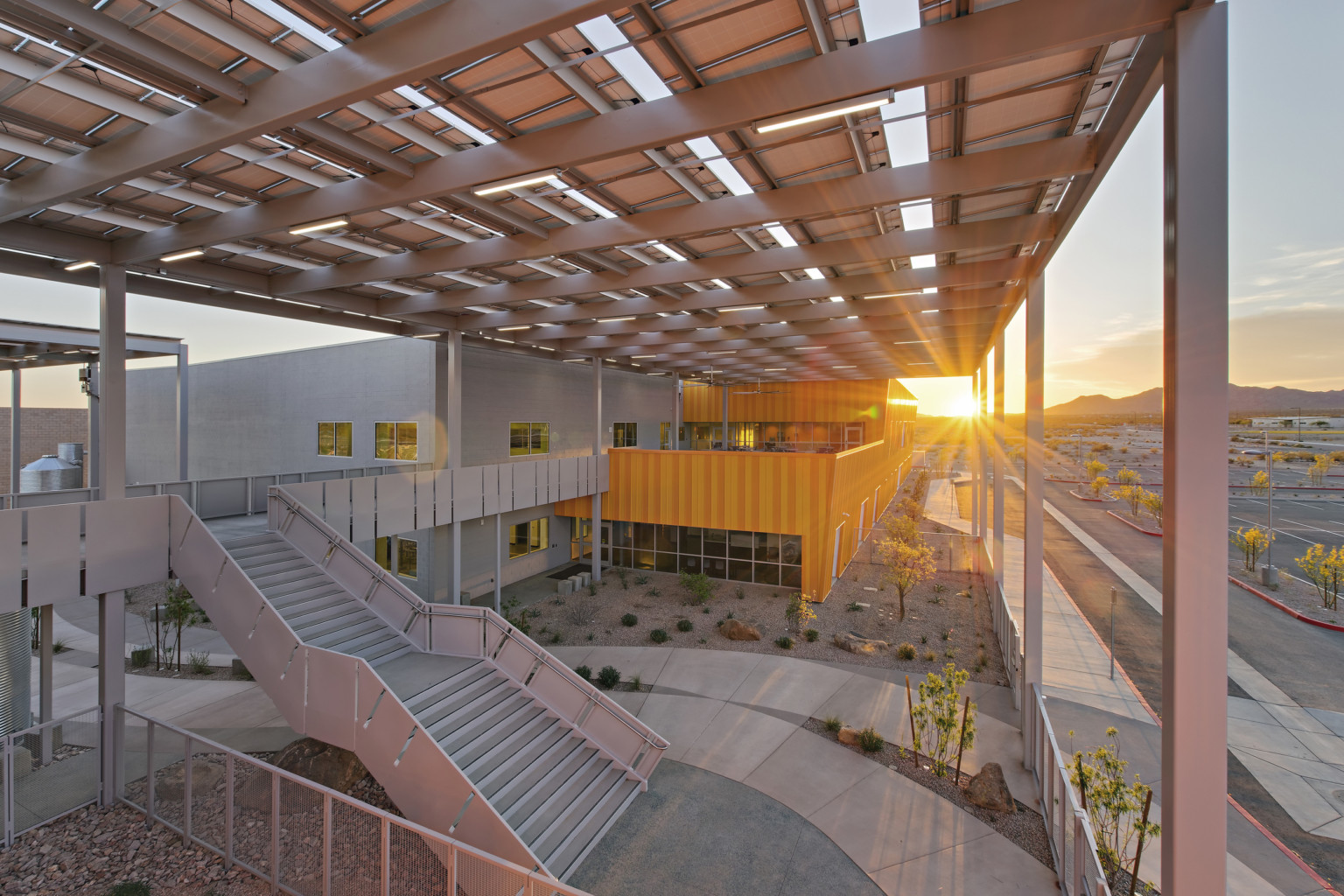
Western Maricopa Education Center (West-MEC) Southwest campus entrance. A 2 story grey and yellow building with solar canopy

As a certified net zero energy building, West MEC's Building X produces 8% more energy than it consumes.

03
Whole Life Carbon

From Supply Chain to Deconstruction

Whole life carbon looks at the complete emissions profile of a building: the embodied carbon from materials and construction, the operational carbon from heating and cooling over decades, and the end-of-life carbon from demolition or adaptive reuse. Understanding this full cycle prevents us from optimizing one phase while ignoring emissions elsewhere.

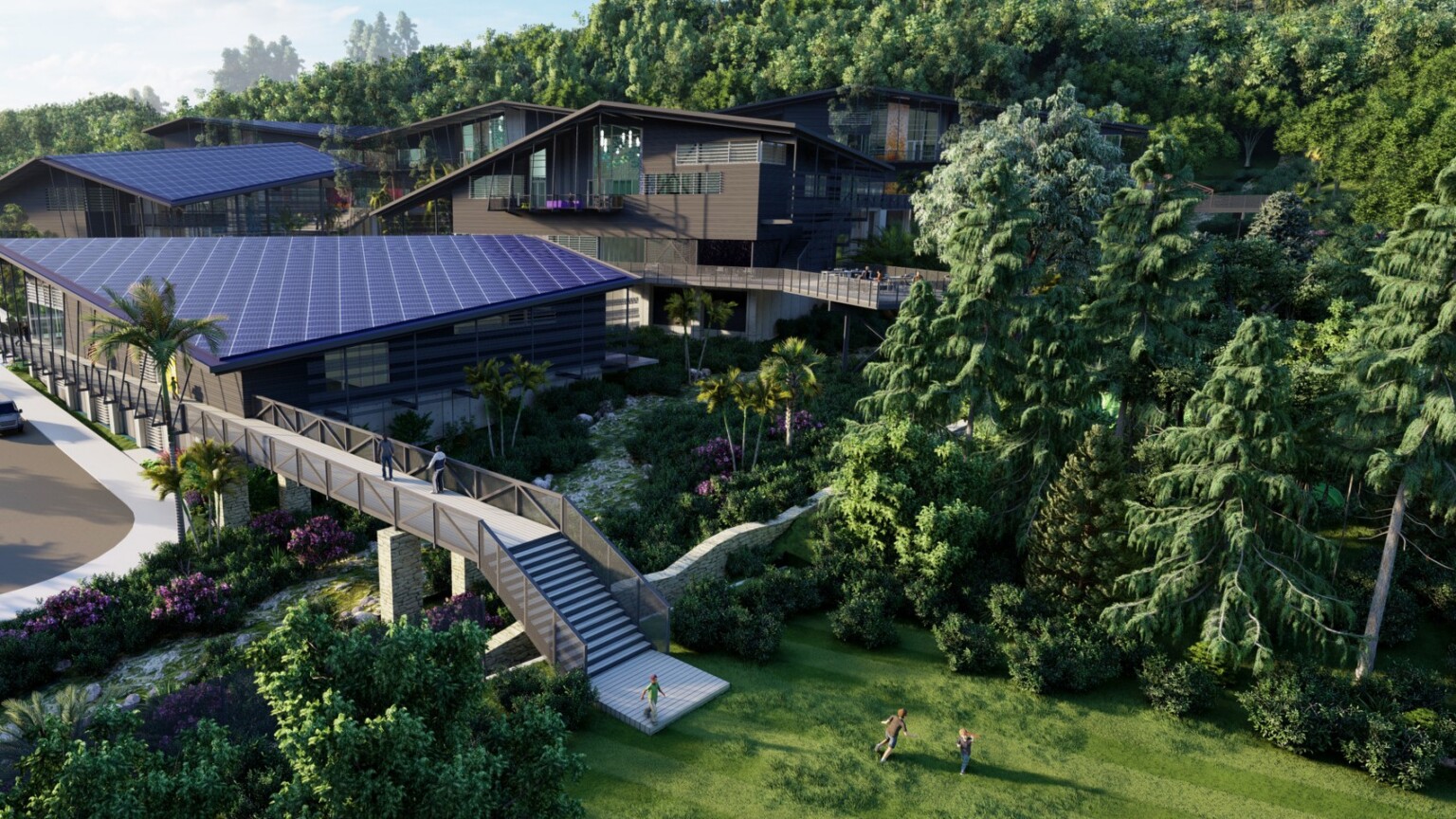
Architectural rendering of a building that blends into the forestry around it; dark wood multistory building skywalks and structures in and out of the greenery surrounded; front parking and car area

Going beyond net zero energy, the U.S. Virgin Islands' disaster resilient Sprauve PK-12 campus considers broad carbon reduction strategies including water, energy, building systems, and materials.

04
Mass Timber

Carbon Storage Meets Comfort

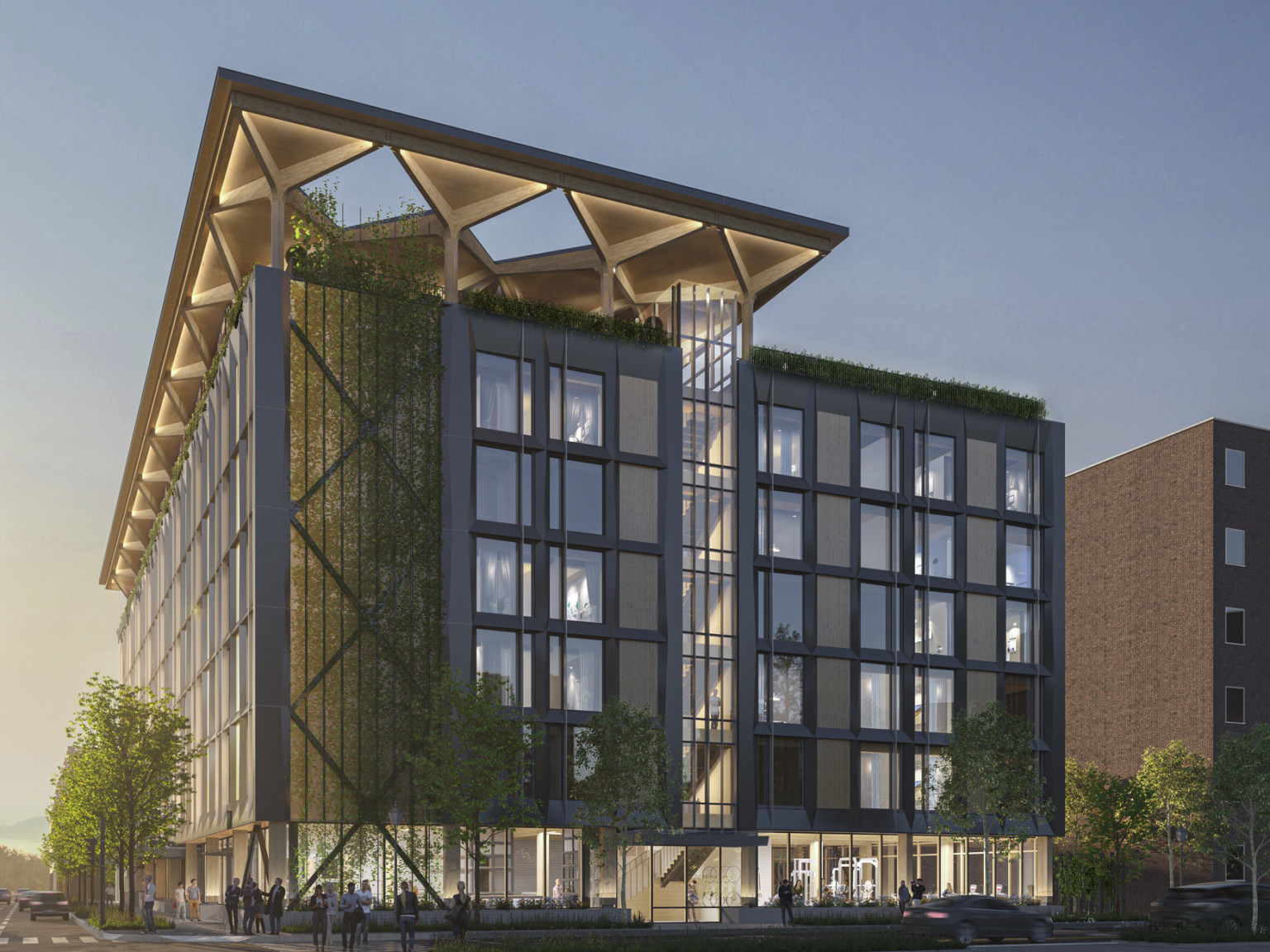
Mass timber reminds us that environmental performance and fulfilling experiences of space aren't separate goals. The same material that stores carbon also feels grounded and warm, and is measurably healthy.  Read more on how our decade of timber experience has confirmed it as a core resilient design application.

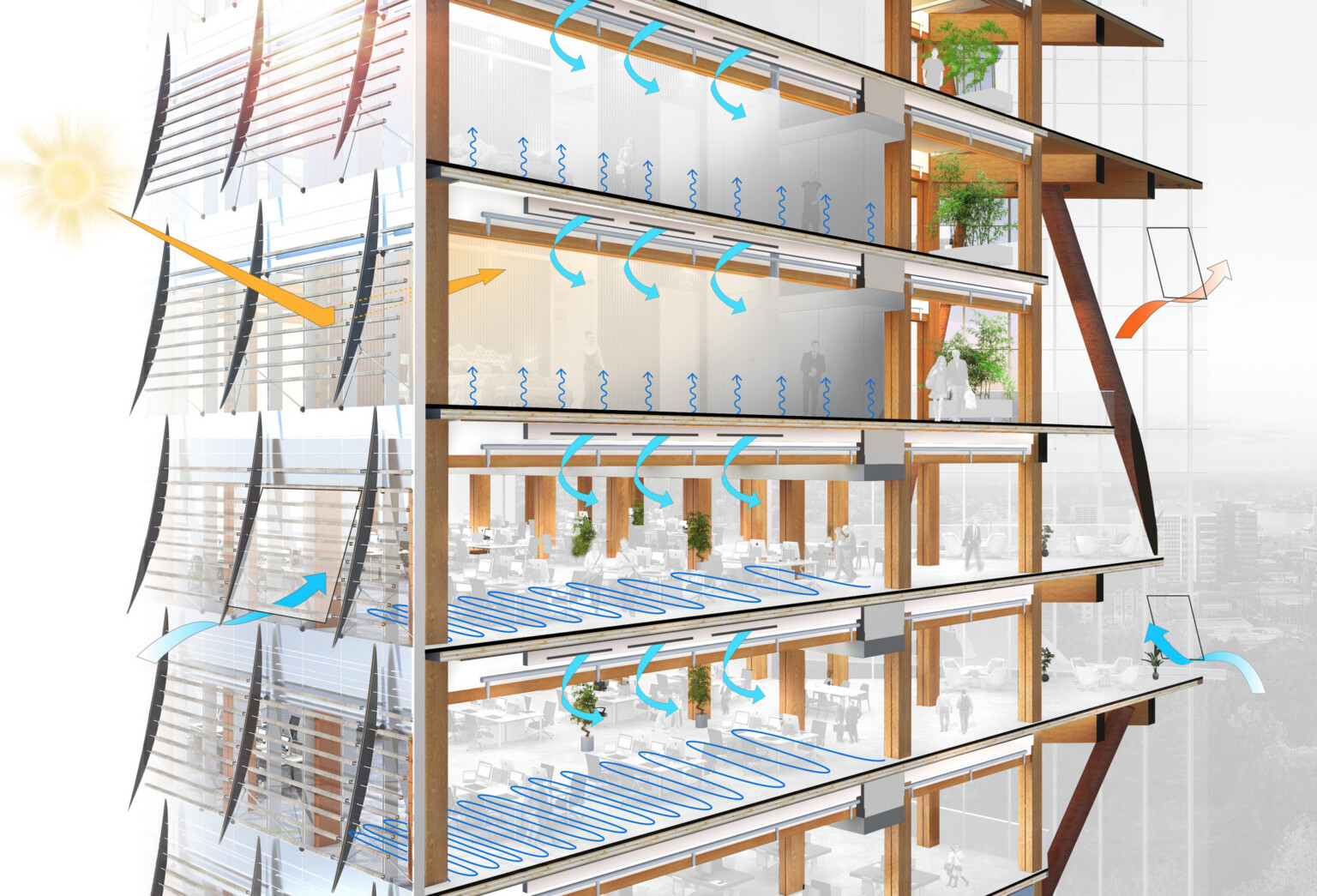
Tall building architectural rendering; mass timber and open floor plan on all 4 floors visible; building overlooking greenery and city skyline

Bolstering a mass timber portfolio of more than four million SF, ongoing tall timber research drives continued innovation.

05
Adaptive Reuse

The Greenest Building is Already Built

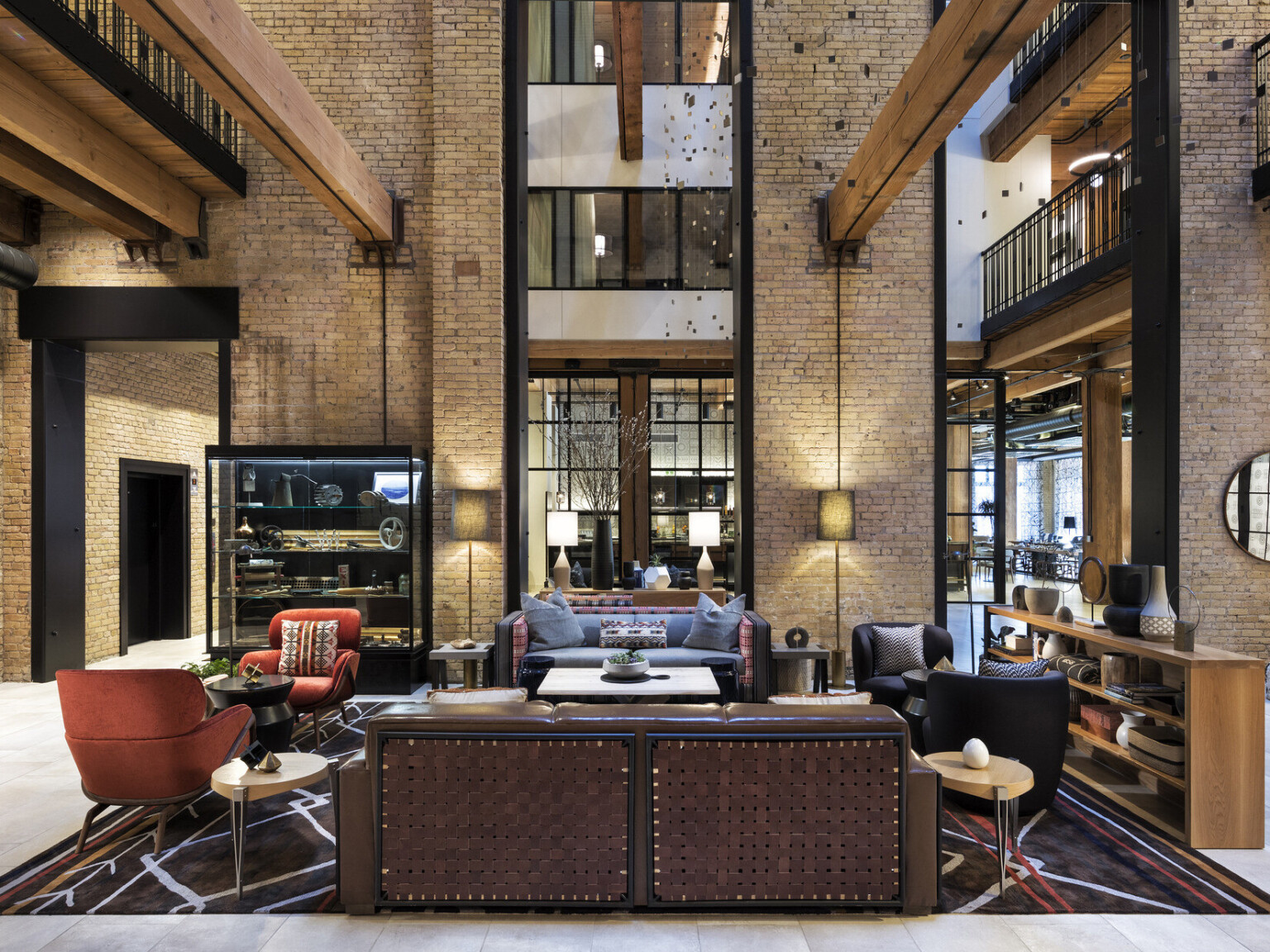
The most sustainable building materials are those already on site. Demolition wastes not just materials but the embodied carbon that went into creating them: the emissions from manufacturing, transportation, and construction. Adaptive reuse preserves that investment and sidesteps the substantial carbon cost of building anew. See how adaptive reuse repositions existing spaces for lasting benefit.

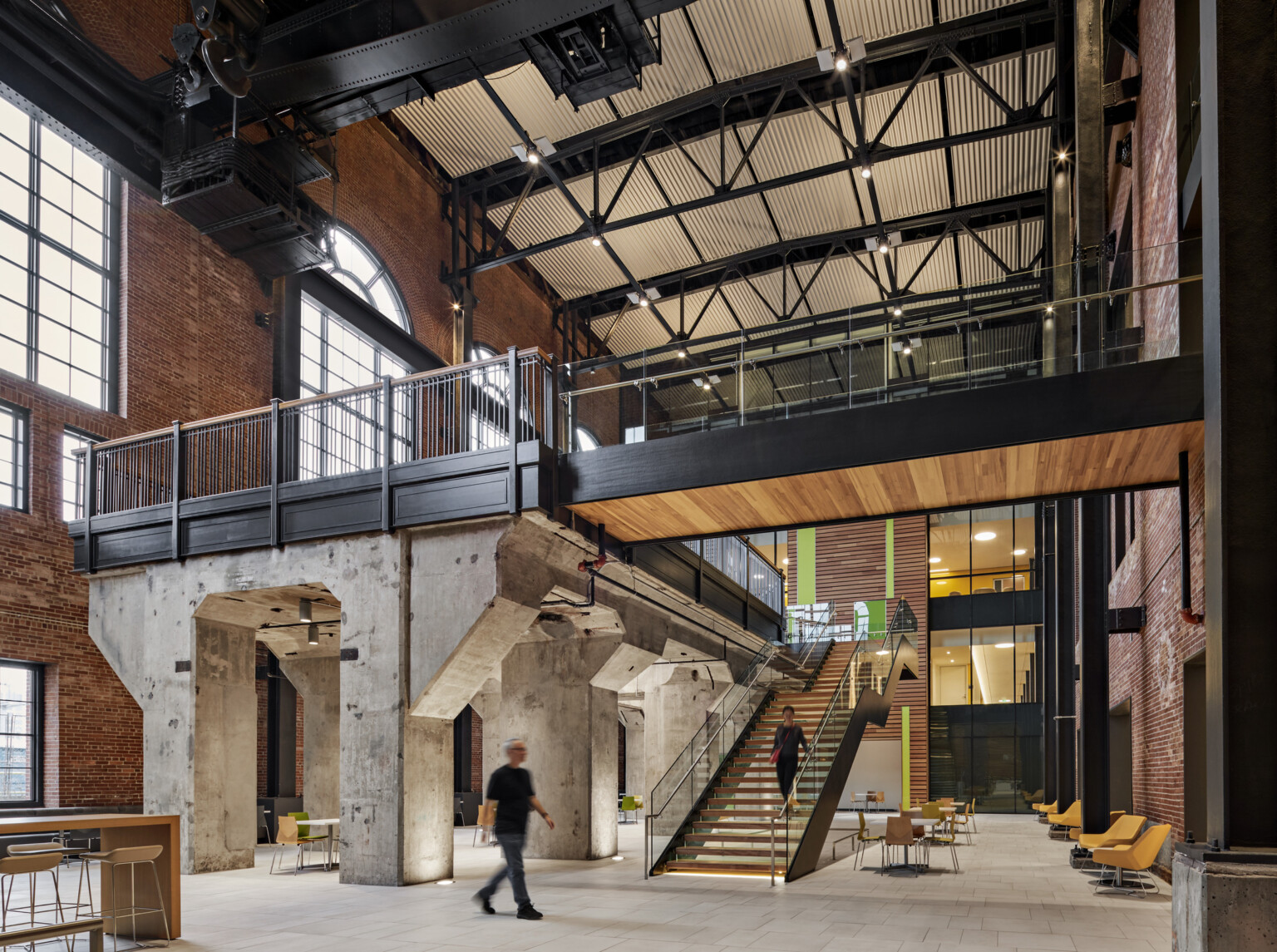
Brown University innovates anew in the century-old Narragansett Power Station, transformed into South Street Landing: a premier medical education facility.

06
Renewables

Strengthening Power Systems

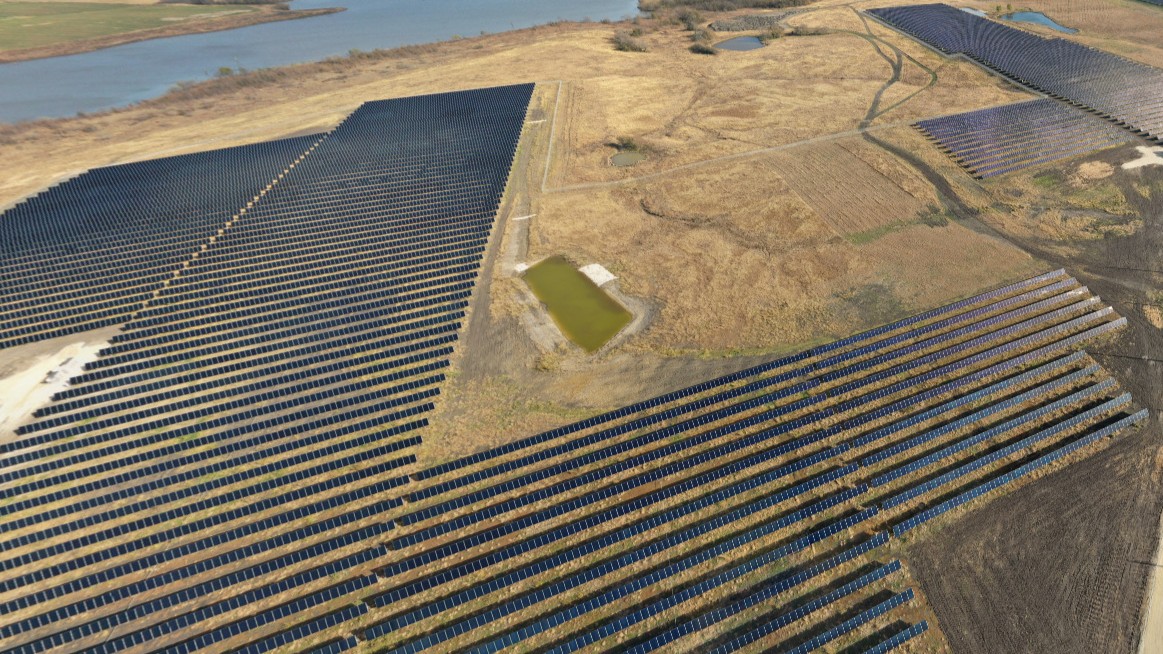
Solar installations at every scale are rebuilding the energy grid from the ground up. Our 7+ gigawatt portfolio connects providers and facilities teams with reliable utility-scale and building integrated energy and power solutions. Explore how to solve energy challenges with reliable renewables engineering from trusted technical experts.

aerial view of solar panel field

A robust partnership with McCarthy Building Companies has delivered over six gigawatts of power in nine U.S. states.

Ideas

Learning Library

Theme

Resilient Design

Resilient design can safeguard buildings and communities against climate risks, preparing them to endure extreme weather and remain operational. More broadly, by anticipating disruption and adapting systems and materials, resilient design reduces the impact of changes in the environment, society, and the economy.

Explore the Topics
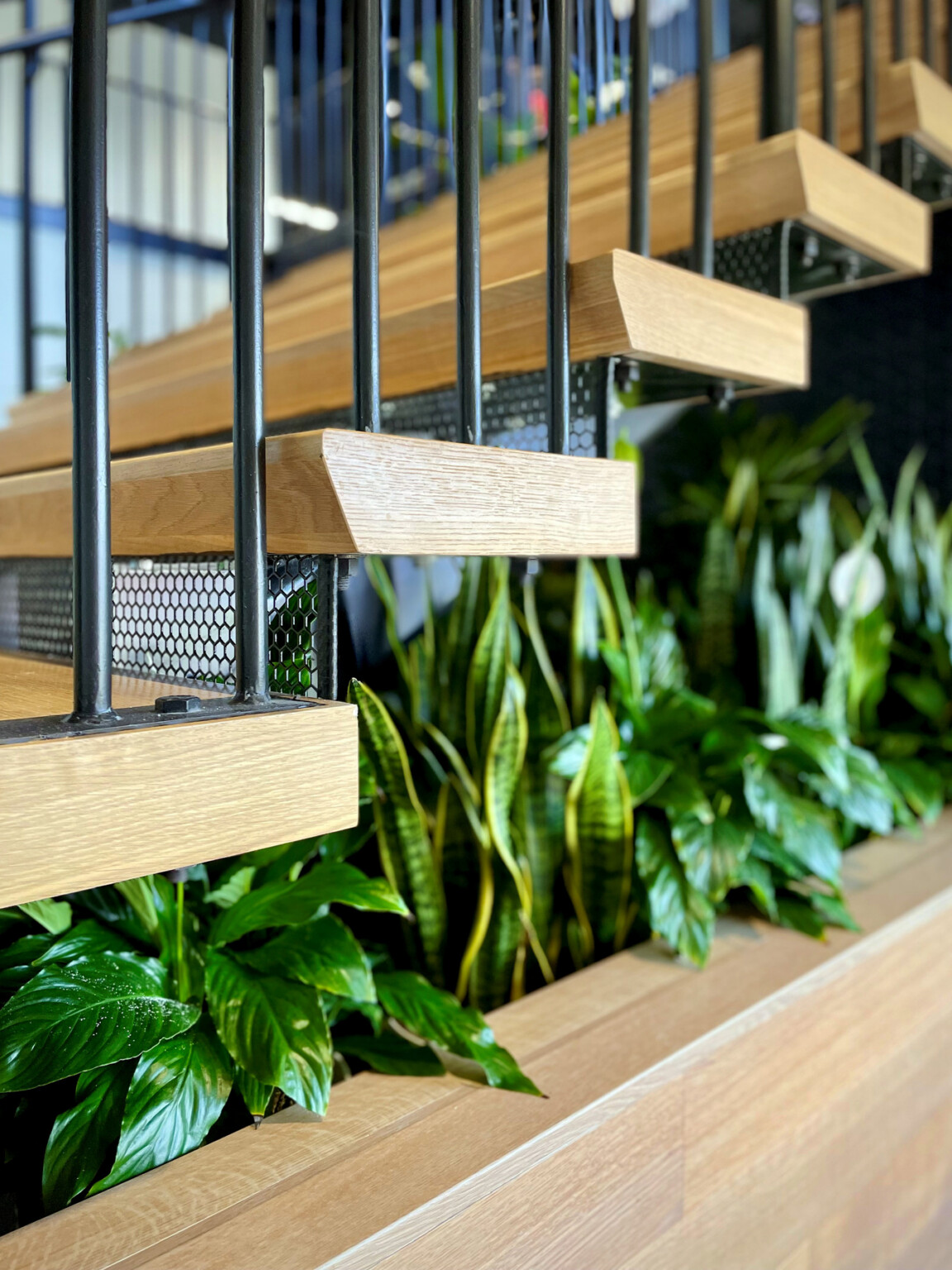

close image of wood staircase with green plants in planters beneath
COMMITMENTS

Advancing Toward

AIA 2030

& Healthy Materials Pledge

SE 2050


MEP 2040


Climate Design Services

Connect with me to start a conversation ➔ Premnath Sundharam, Chief Climate Officer
LEADERSHIP

Meet our People

Our sector, discipline, and executive leaders are dispersed to mentor the next generation of employee-owners, counsel clients, and share their design voice in their local communities.

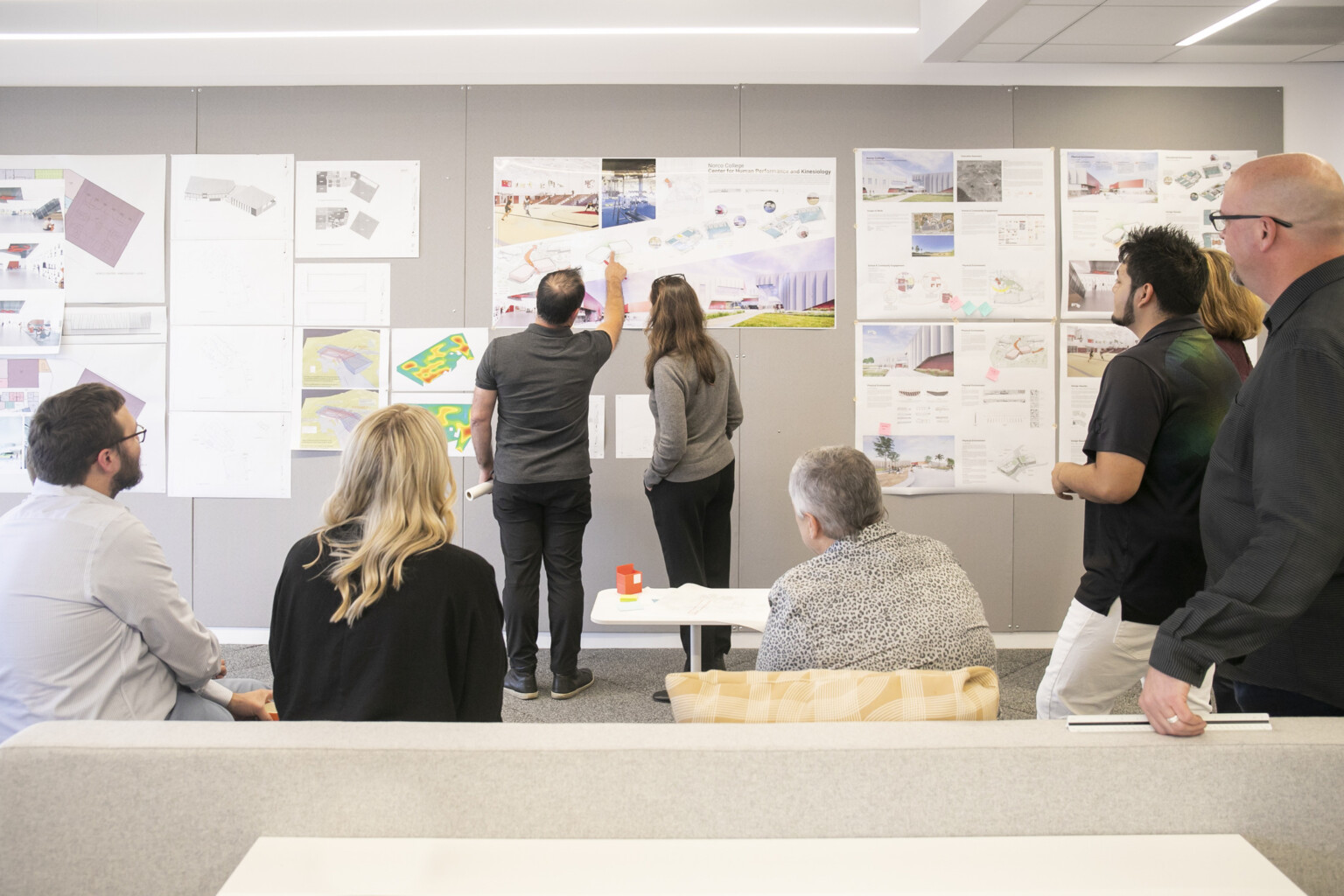
design leaders going through drawings together; sketches and architectural plans pinned up on wall
Ideas

Design Thinking

Every project and client solution starts with a spark of an idea. Design thinking and problem solving are some of the ways we start to engage a design challenge.

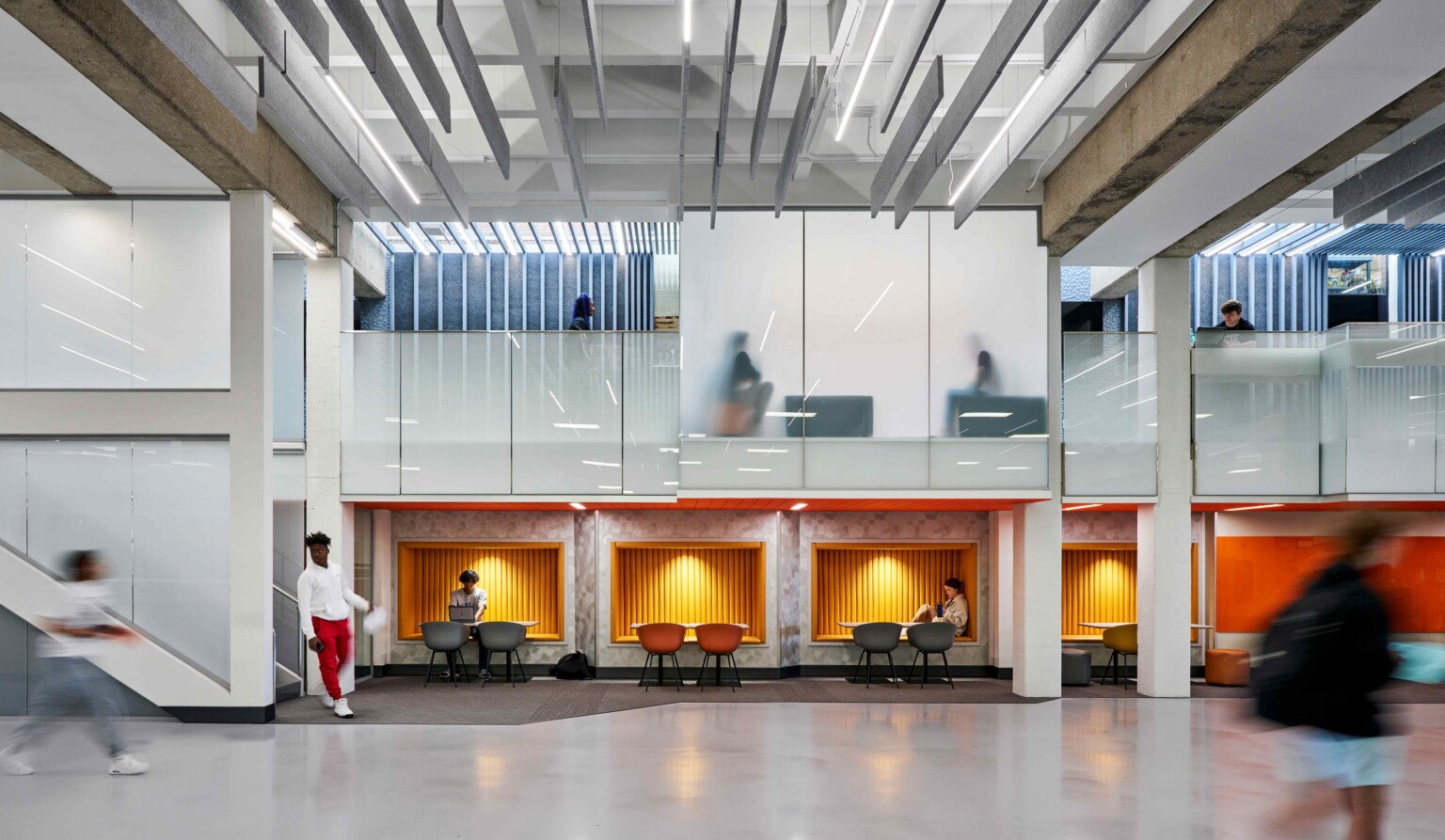
interior school atrium; double height floor with collaboration tables on the first floor, private meeting rooms on the second floor; soft lighting and branding colors adorn the space

Contact Us

Contact Us

  • This field is for validation purposes and should be left unchanged.