Beyond the Spa: Hospitality’s New Baseline for Wellness

Valentina Castellon
Hospitality Interior Design Leader
Valentina leads our firm’s hospitality interior design team.
Email 612-997-3503Today’s consumers expect more. They’re informed, selective, and willing to go out of their way for authentic, curated experiences. They’re fully tuned in, and the wellness industry has captured their attention.
Wellness, once a luxury or add-on, is now a baseline expectation shaping everyday life. Now a $6.8 trillion industry projected to reach $9.8 trillion by 2029, wellness is driven by the growing interest in preventative care, longevity, and a holistic approach to mind and body.
This shift has transformed the hospitality industry. As holistic wellness evolves into more of a lifestyle that consumers actively embrace, hotels and resorts are leaning in – expanding beyond traditional spa and fitness offerings to create integrated experiences that support physical, mental, and social wellbeing. From small intentional moments to fully immersive environments, wellness now influences every part of the guest experience, helping travelers recharge, reconnect, and sustain their habits while away.
Here are a few ways it’s coming to life today.
The Guestroom Experience
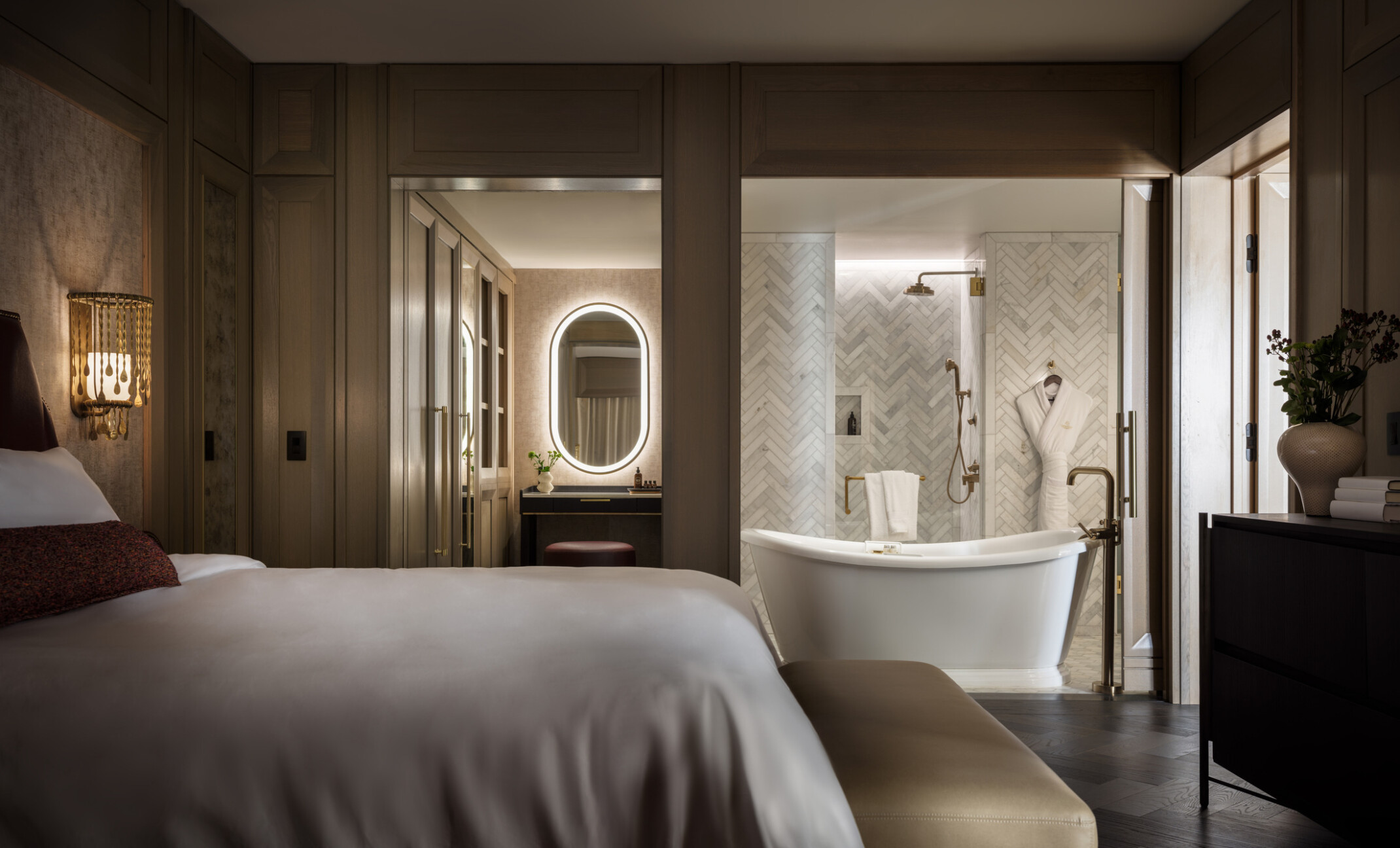
The guestroom is central to wellness, supporting rest, recovery, and daily routines. Sleep, circadian alignment, and frictionless wellness habits are no longer optional but defining elements for hotels. Travelers often struggle to maintain these routines while away from home, making restful sleep and supportive environments a priority. Over the next five years, guestrooms that sense, adapt, and respond to these needs will set the standard.
Restorative Sleep and More Personalization
Sleep disorders affect over 850 million people worldwide, and quality sleep is now recognized as a strategic asset that shapes guest satisfaction, loyalty, and perceived value. Bio-adaptive, circadian lighting supports natural rhythms, and features like soft nighttime wayfinding and simulated sunrises help guests fall asleep more easily and wake feeling refreshed. Acoustic comfort is a part of this experience too, with guest-controlled sound masking that adapts to the time of day to reduce hallway or adjacent-room noise at night without disrupting daytime functionality. Over longer stays, advanced systems can learn guest patterns and automatically adjust lighting, temperature, and sound to support routines and preferences.
Wellness Brought to You
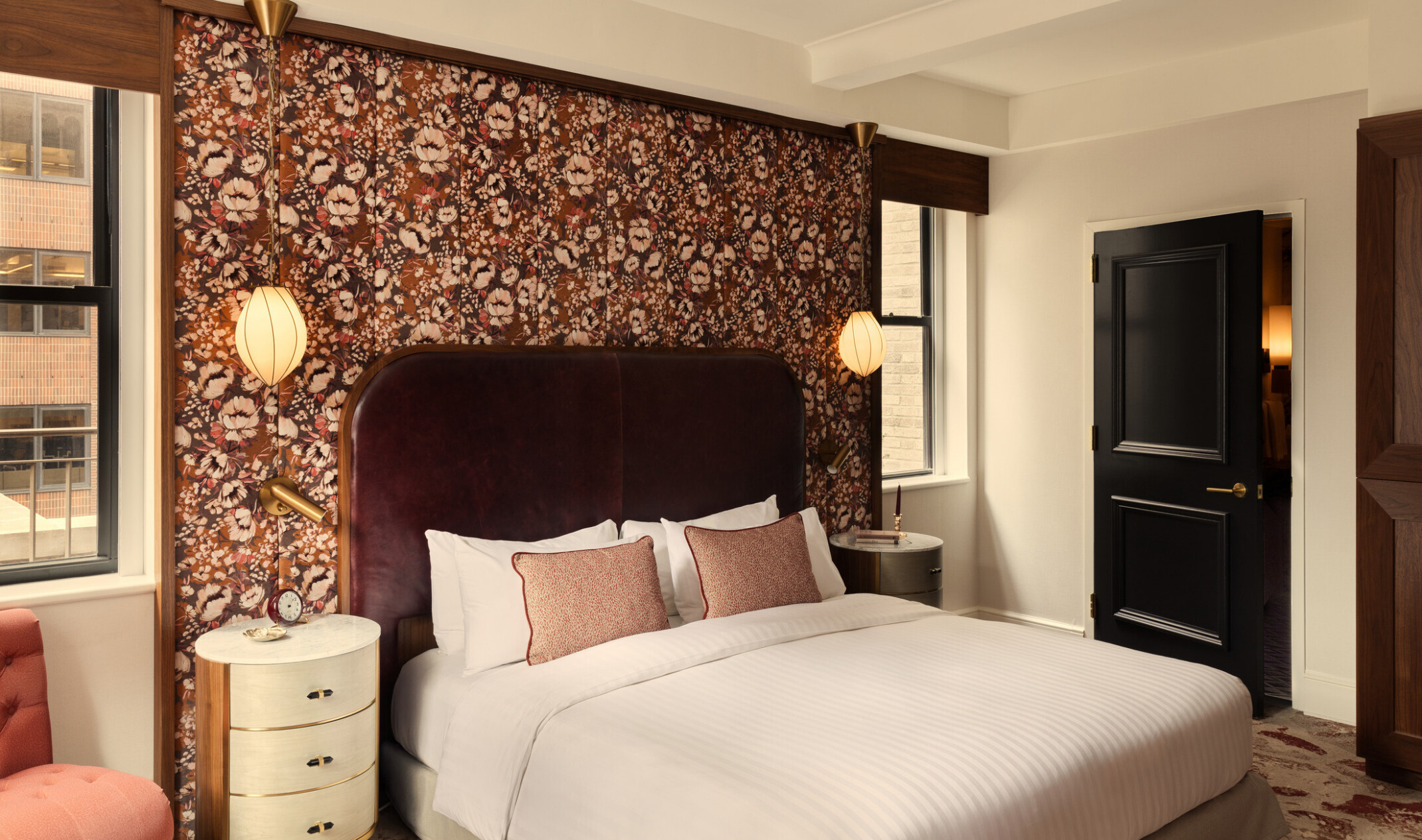
In-room wellness now extends beyond sleep, giving guests private and convenient ways to move, unwind, and reset. Many hotels offer in-room fitness kits and flexible spaces for yoga, meditation, or connected exercise, making it easier to maintain routines without leaving the room. Environmental controls like temperature, air purification, and circadian lighting support both activity and rest, with some hotels pairing air purification and lighting to optimize exercise and sleep.
Wellness also shapes the in-room food and beverage experience through more intentional options. Hotels offer healthier organic minibar options, reusable branded water bottles, and free filtered water access to create a more supportive and personal stay. As guests drink less alcohol overall, interest in distinctive non-alcoholic options continues to grow, driving demand for craft mocktails, local infusions, and wellness-focused beverages.
Digital Detox
In an age of constant notifications, hotels have become one of the few places where guests can step back without guilt. The goal is not to reject technology, but to reclaim attention, presence, and sensory richness. Guests are seeking spaces that slow the pulse, sharpen the senses, and remind them what it feels like to be fully in the moment.
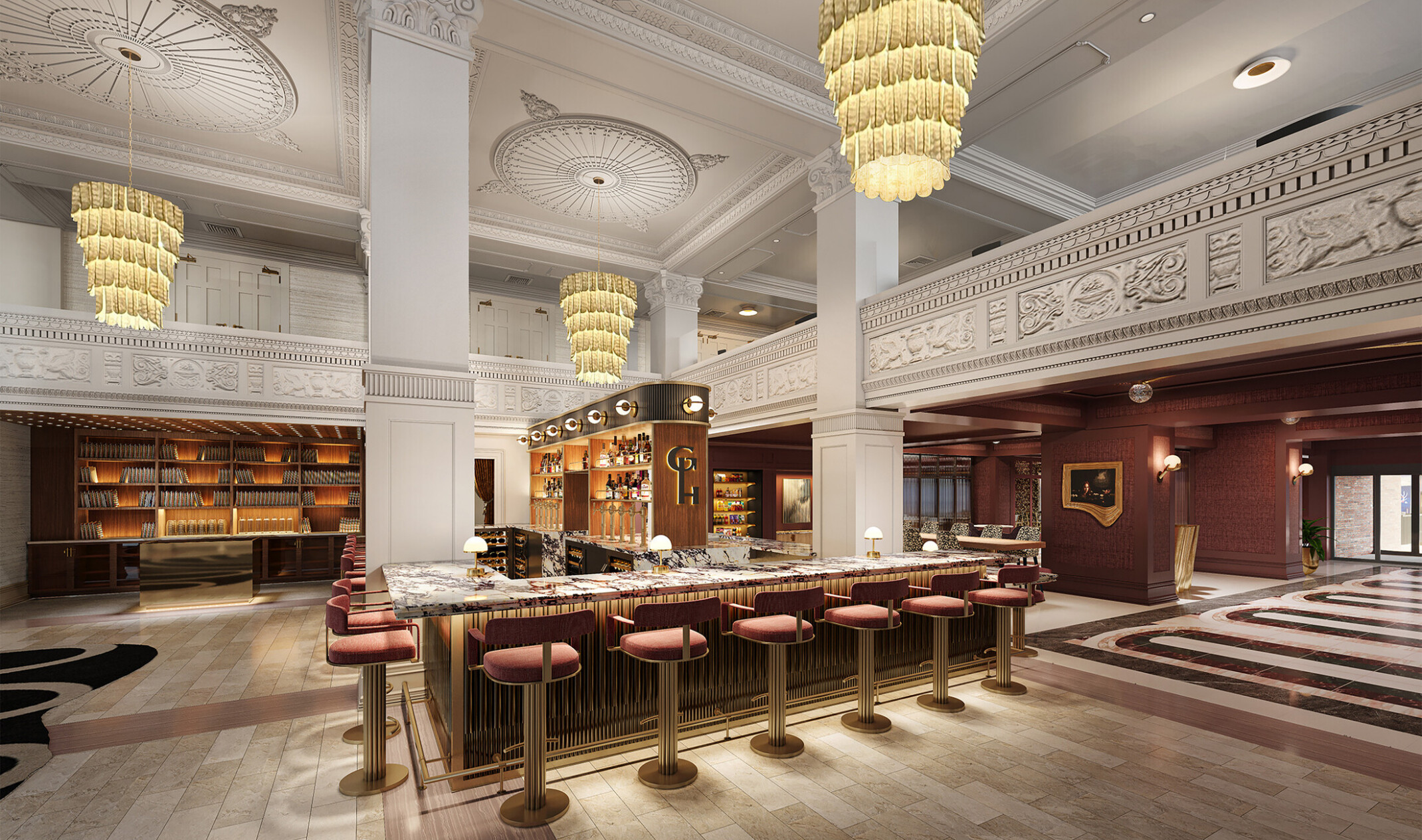
These micro escapes from digital fatigue show up in tactile, analogue experiences like handwritten notes, physical books, puzzles, sketchpads, vinyl records, analogue clocks, and pour-over coffee. Objects like these anchor guests in the space and in themselves. The Gunter Hotel, for example, pairs coffee with its vinyl record bar to create a deliberate, immersive pause. Curated minibars, window seats, and newspapers allow travelers to savor real, unhurried moments. These intentional touches signal that time moves differently here and satisfy a growing craving for mindful slowness.
Outdoor-Centered Wellness
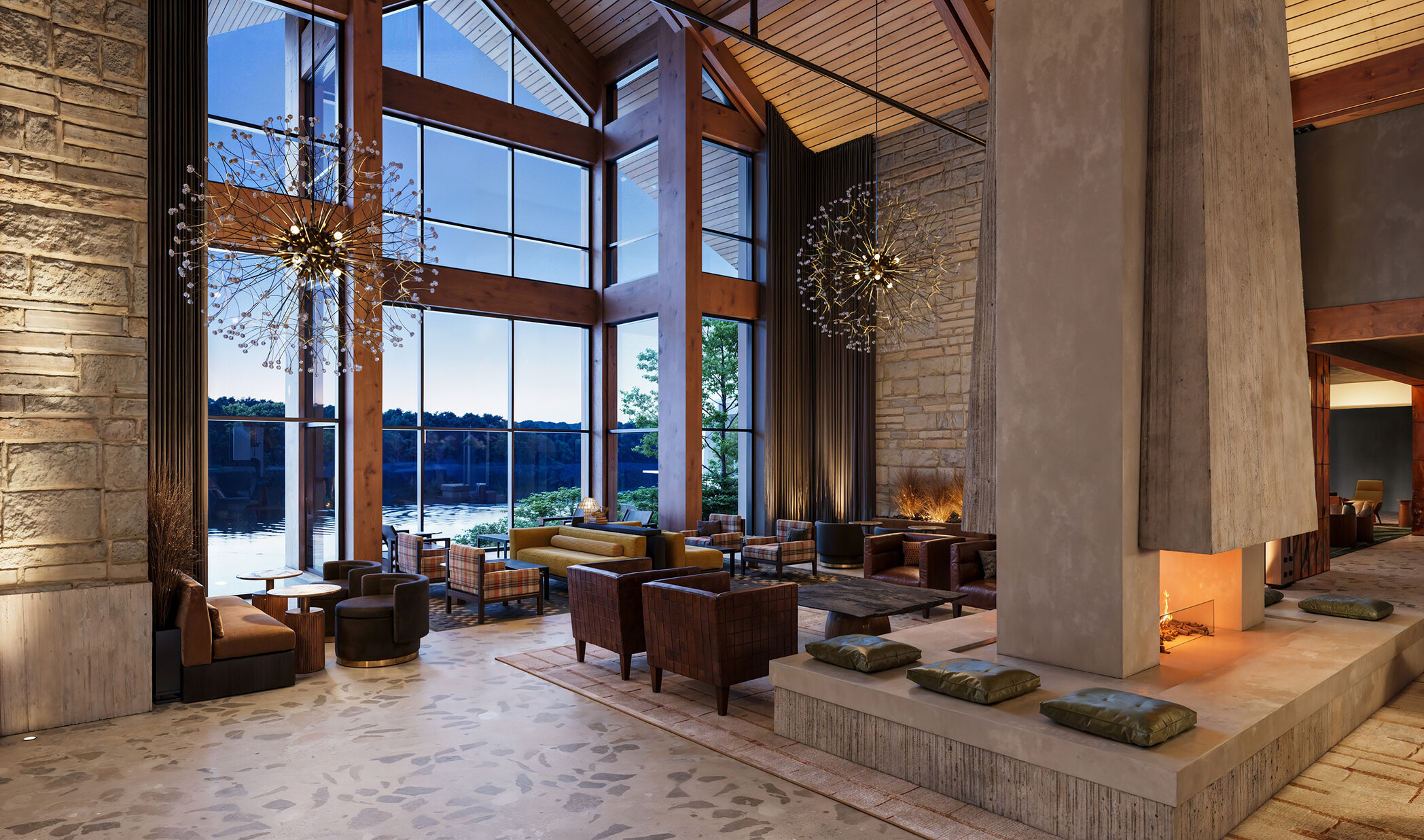
As travelers seek intentional ways to unplug and reconnect, outdoor adventure remains a key driver of wellness. Guests are drawn to destinations where the landscape itself is the main amenity, offering immersive experiences that support physical activity, mental clarity, and a deeper connection to place. At Okhissa Lake Lodge, forest and lake views are intentionally framed to immerse guests in nature. Terraces, open-air seating, and movement paths invite walking, stretching, or mindful reflection. Design elements such as daylight, non-toxic natural materials, tactile textures, and locally sourced finishes reinforce a restorative and grounded experience. In these spaces, sustainability, wellness, and the character of the land come together to make the outdoors a defining part of the stay.
For guests, traveling is about more than the destination. It’s an opportunity for self-reflection, meaningful connection, and mindful presence. For hospitality designers, this wellness evolution invites a more curated, personal approach that weaves wellbeing into every aspect of the guest experience. Beyond spas and fitness centers, wellness now shapes guestrooms, lobbies, dining, and shared spaces, creating environments that are not just seen, but genuinely felt.
Explore how DLR Group infuses wellness into all aspects of hospitality design.

Ideas
Recommended Reads