Architecture as a Living Legacy


Emily Moore
AIA
Design Leader
Emily has over 20 years of design experience, specializing in museums and performing arts spaces.
Email 713-561-3925Architecture does more than shape places. It carries meaning, memory, and responsibility forward. At DLR Group, we approach culturally significant projects with a deep respect for legacy and a clear focus on what those spaces must become.
In this article, I reflect on architecture as a living legacy and how thoughtful design can honor history while creating space for adaptation, innovation, and belonging. Drawing from work on public, cultural, and academic environments, here’s where materiality, collaboration, and community engagement converge to ensure that architecture remains relevant, resonant, and deeply human over time.
Cultural Continuity in the Context of Architectural Design
Cultural continuity in architectural design is the practice of carrying forward the values, traditions, and identity of a community through the built environment, while allowing space for adaptation and change. It’s about creating architecture that honors the past – through materials, forms, rituals, and symbolism while evolving to meet contemporary needs.
For me, buildings don’t just serve practical functions, but act as vessels of memory and meaning. It’s not about replicating history, but weaving threads of heritage into new design so people feel rooted in their place even as it transforms.
Architecture’s Role in Preserving and Evolving Cultural Identity
Architecture in public spaces acts as both a guardian and a catalyst of cultural identity. It preserves identity by embedding symbols, materials, and forms that reflect shared history and traditions. The balance of tradition and contemporary life help to mold new cultural expressions. In this way, public architecture becomes a living stage where heritage and modernity meet, ensuring people feel both rooted in their past and connected to their future.
Reimagining Historic Places for Contemporary Public Life
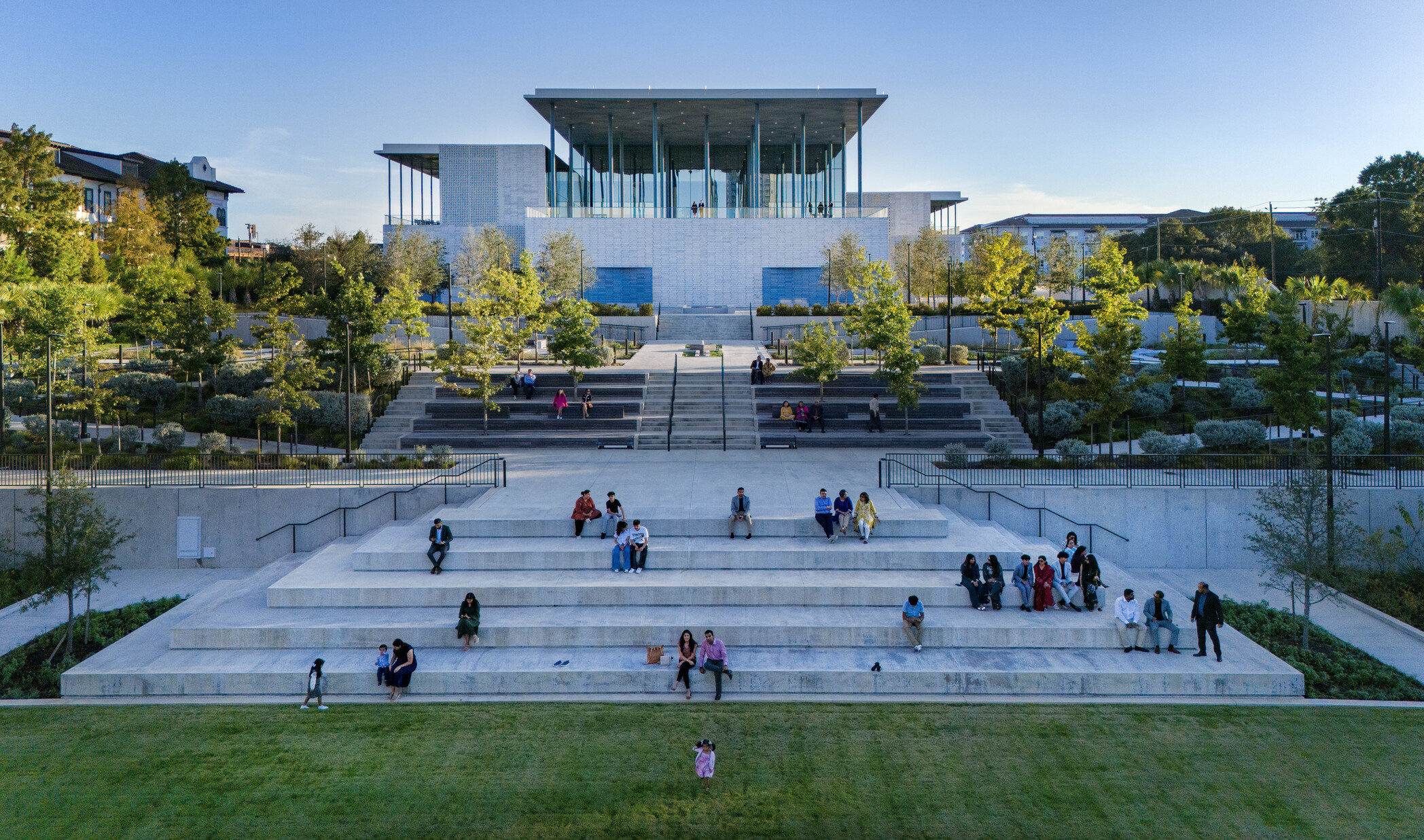
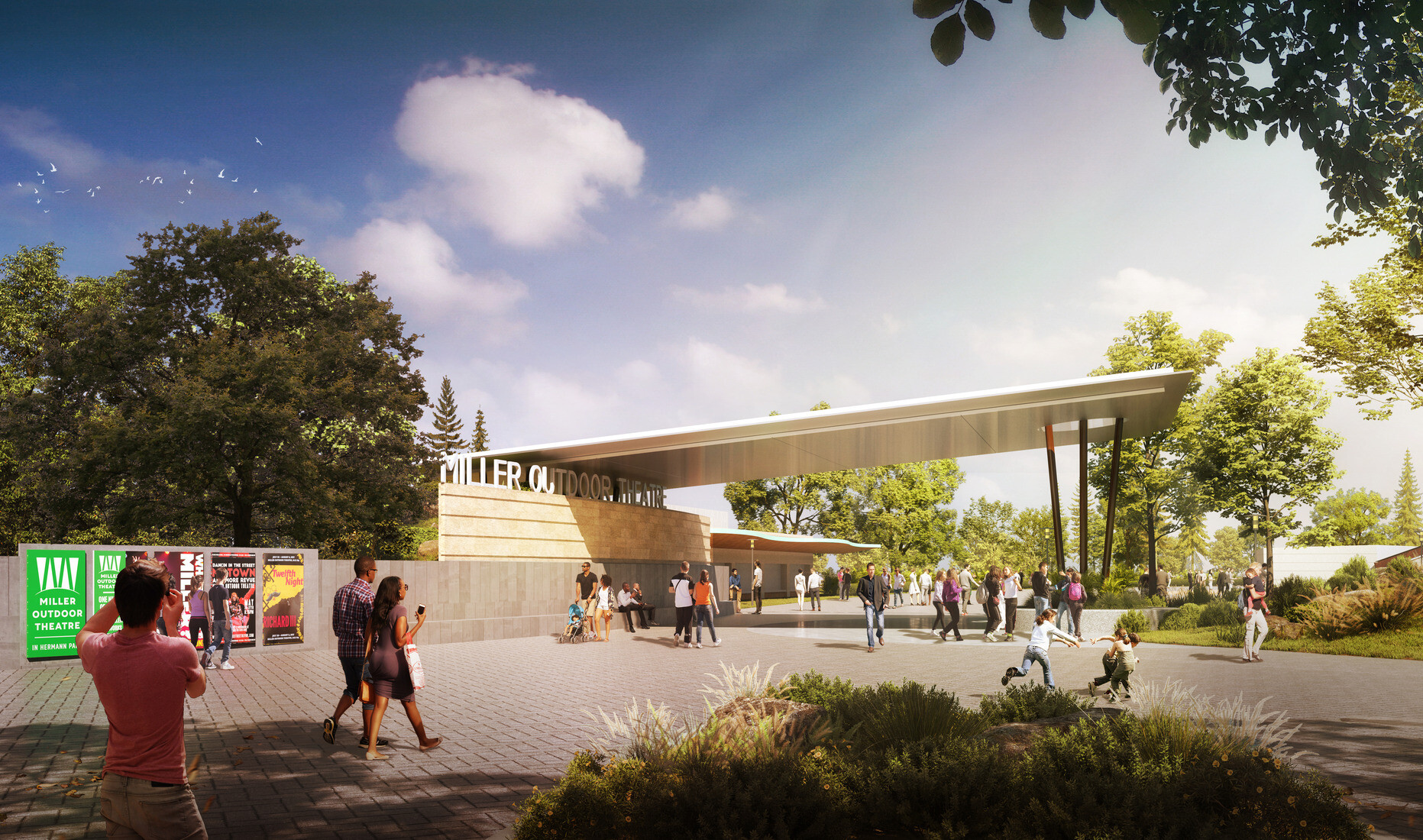
Preserving and enhancing the legacy of such an iconic place and structure was top of mind when beginning the design process. The reimagined gateway for Miller Outdoor Theatre marks the first step in a broader master plan to renew the theatre’s campus within the larger landscape of Hermann Park. While initially conceived as a single expansive canopy announcing the theatre entry, the design process revealed the site’s remarkable complexity – an active crossroads where numerous pathways, programs, and park users converge.
In response, the design evolved into a composition of smaller, strategically placed canopies that define the edges of a new gateway plaza. Acting as architectural markers as much as shelter, these elements guide visitors through the site while creating a cohesive threshold experience. Their forms pay tribute to the theatre’s iconic midcentury shell – long a symbol of Miller Outdoor Theatre – echoing its protective, wing‑like presence. Interpreted through a contemporary lens, the new canopies evoke the same spirit of lift, lightness, and simplicity, establishing a graceful new arrival sequence worthy of this cultural landmark.
Navigating Complexity in Adaptive Reuse
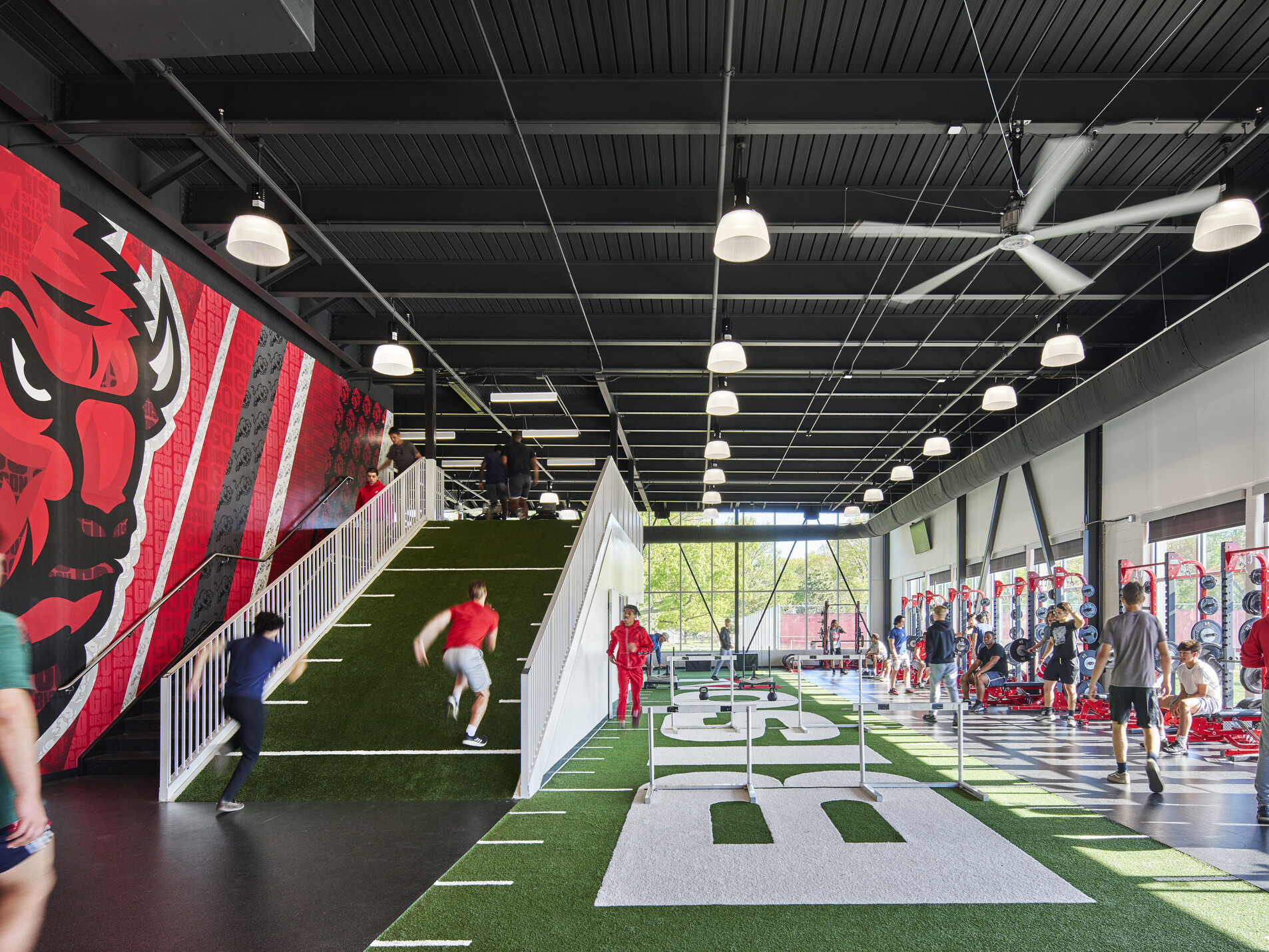
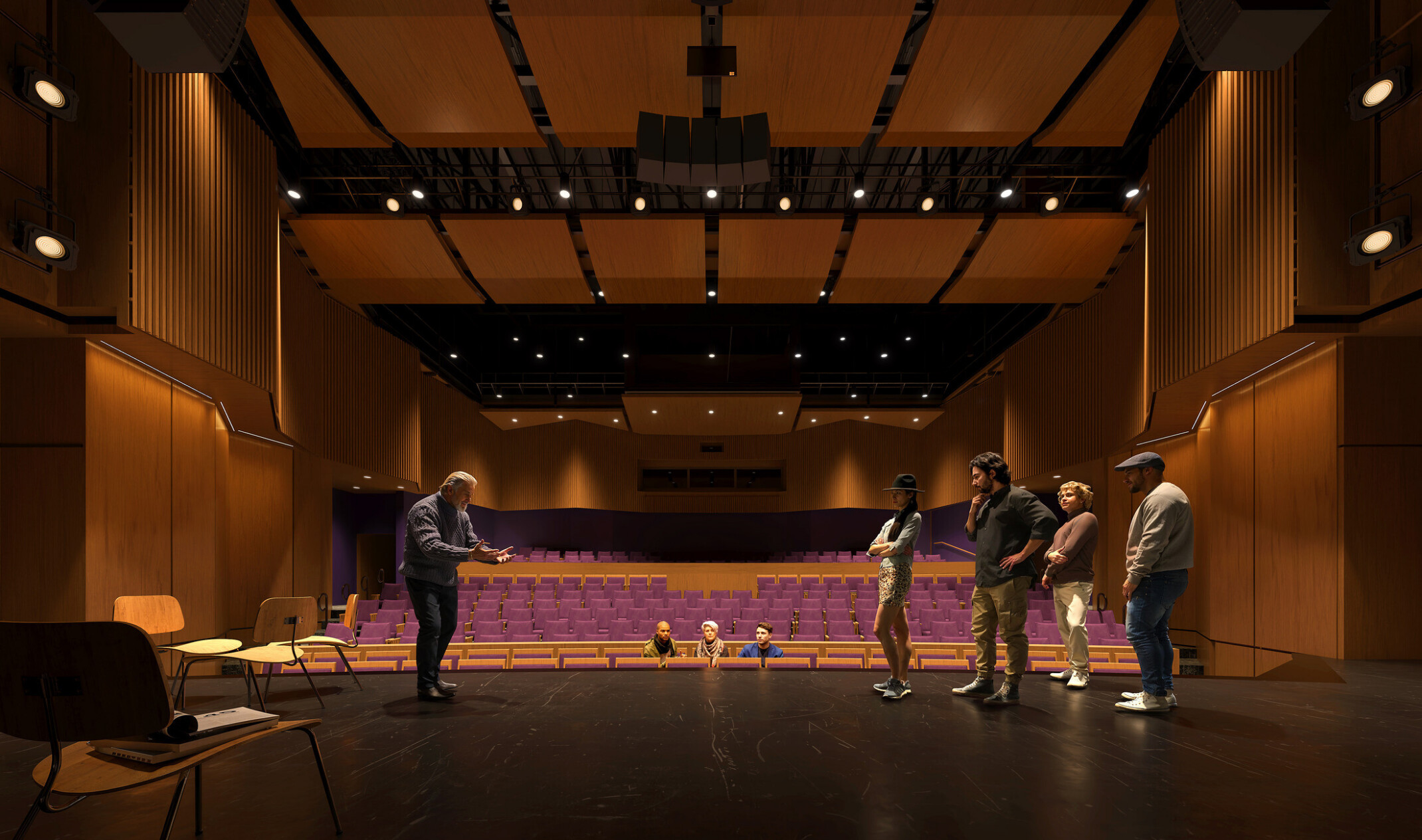
A building built in the 1940’s doesn’t have our modern systems in mind. It has been incredibly challenging not only to integrate totally new programming but also implement modern HVAC and electrical systems. It took a lot of thinking outside the box and close design, strategizing with the structural and mechanical leads of the project from day one. I believe that TCU has been a premier example of the success of integrated design. We have maximized the use of the building through this strategic design process.
Materiality as a Record of Cultural Memory
Materials and architectural details act like a language – they tell stories of climate, vernacular, history, craftsmanship, belief, and memory making buildings into cultural records. It is in the details and material choices that we preserve and reinterpret cultural legacy.
Designing for Cultural Relevance Across Generations
Ensuring that a space remains relevant and meaningful to future generations requires a balance of preservation, innovation, and inclusivity. First, designing with sustainability in mind helps spaces adapt to our changing climate and energy concerns. Community engagement helps to future proof a design, ensuring that today’s design choices will remain relevant and programs will continue to serve future generations. Finally, cultural and historical continuity ensures relevance. By celebrating the identity and values embedded in a space; while allowing room for reinterpretation, we create places that feel both rooted and dynamic. In this way, spaces are not frozen in time but remain living, adaptable environments that serve generations to come.
Where Tradition and Contemporary Design Intersect
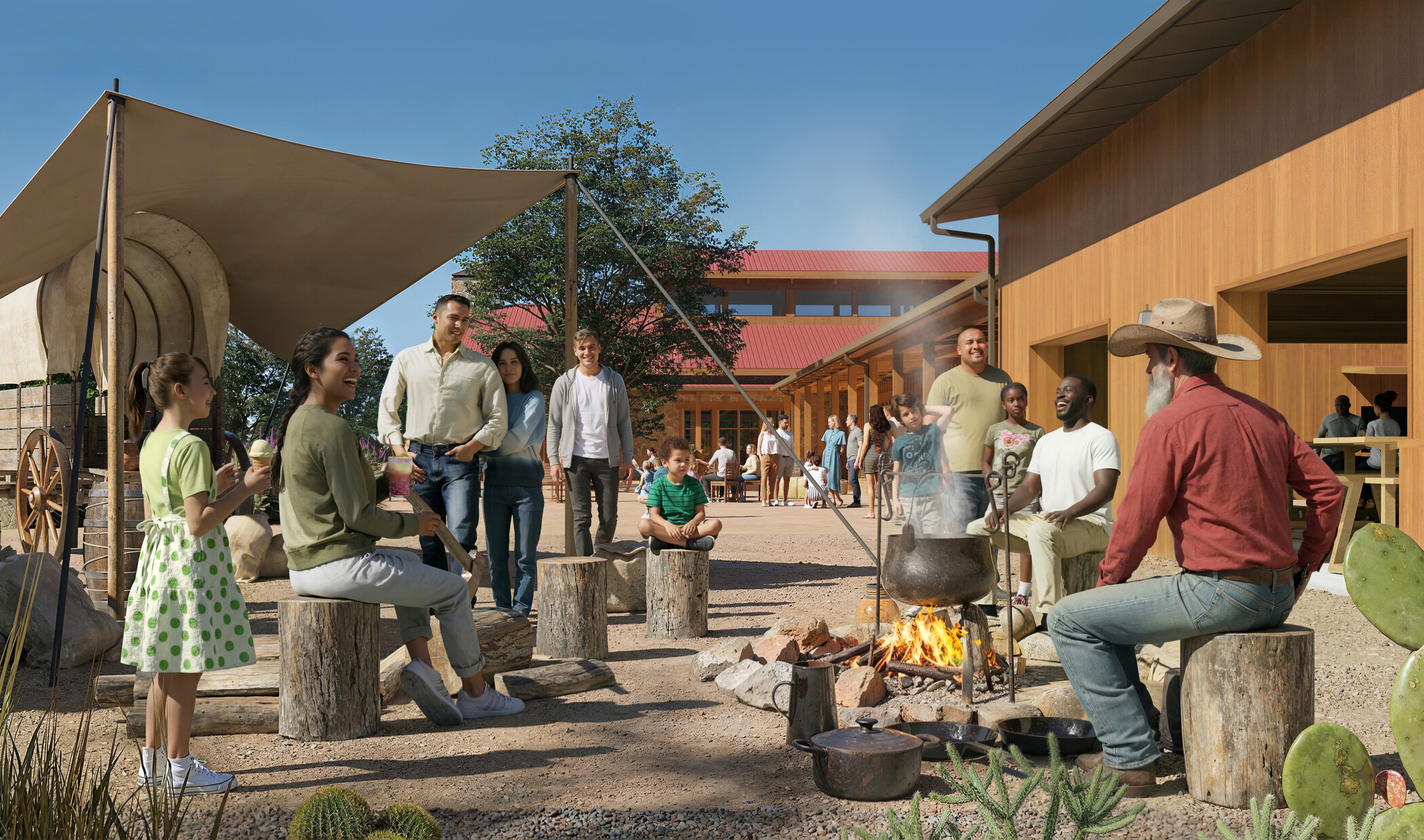
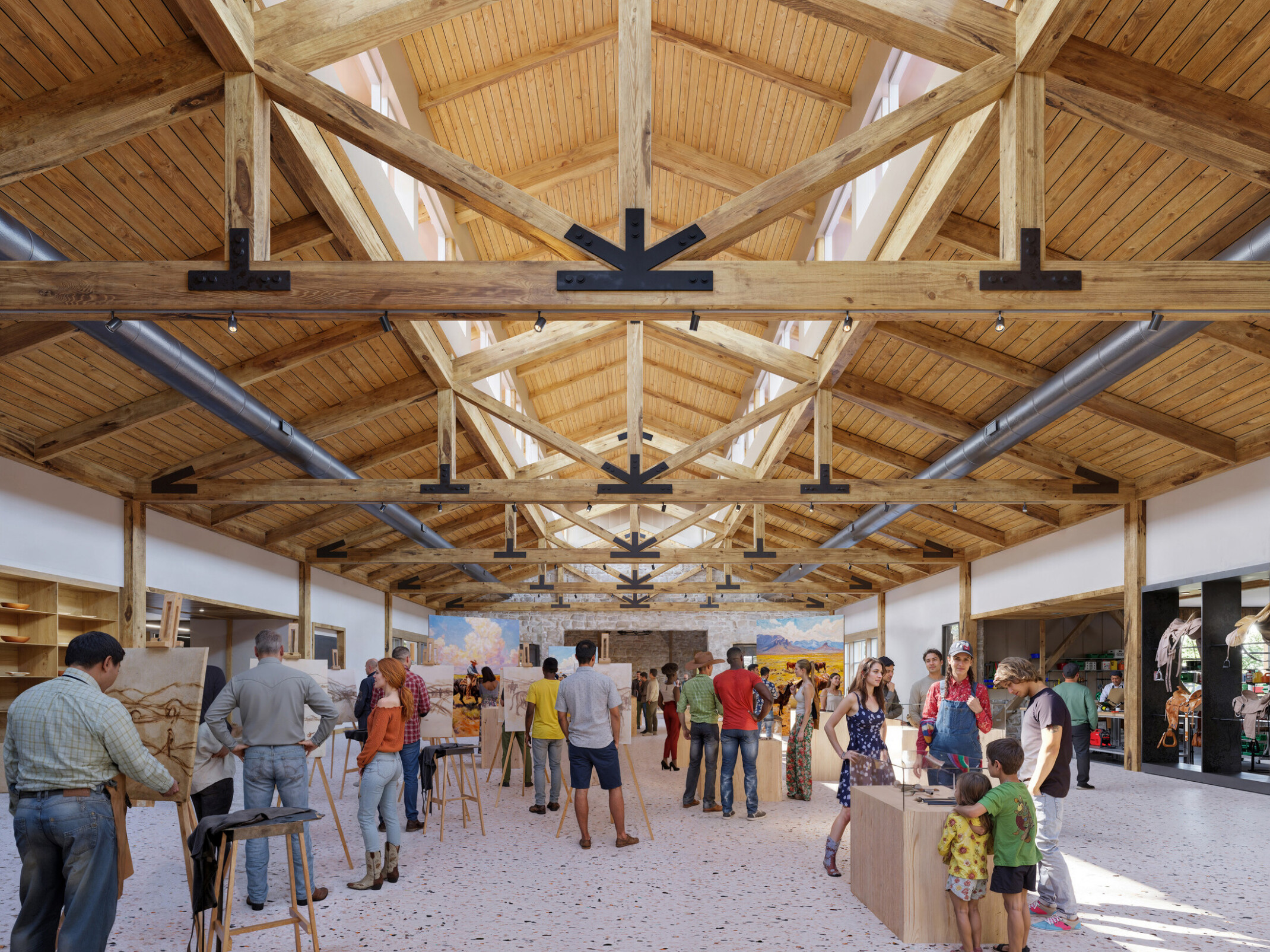
Traditional aesthetics can still be used within a rigorous framework that often signalizes contemporary design. The general form of the building is simple, rhythmic, with a hierarchy of programmatic proportion. In that simplicity, we were able to highlight traditional construction mixed with contemporary features at the Red Steagall Institute. As an institution promoting traditional western arts, this is the epitome of the arts it will house – tradition inevitably intersecting modern influence.
Designing with Reverence in Culturally Significant Contexts
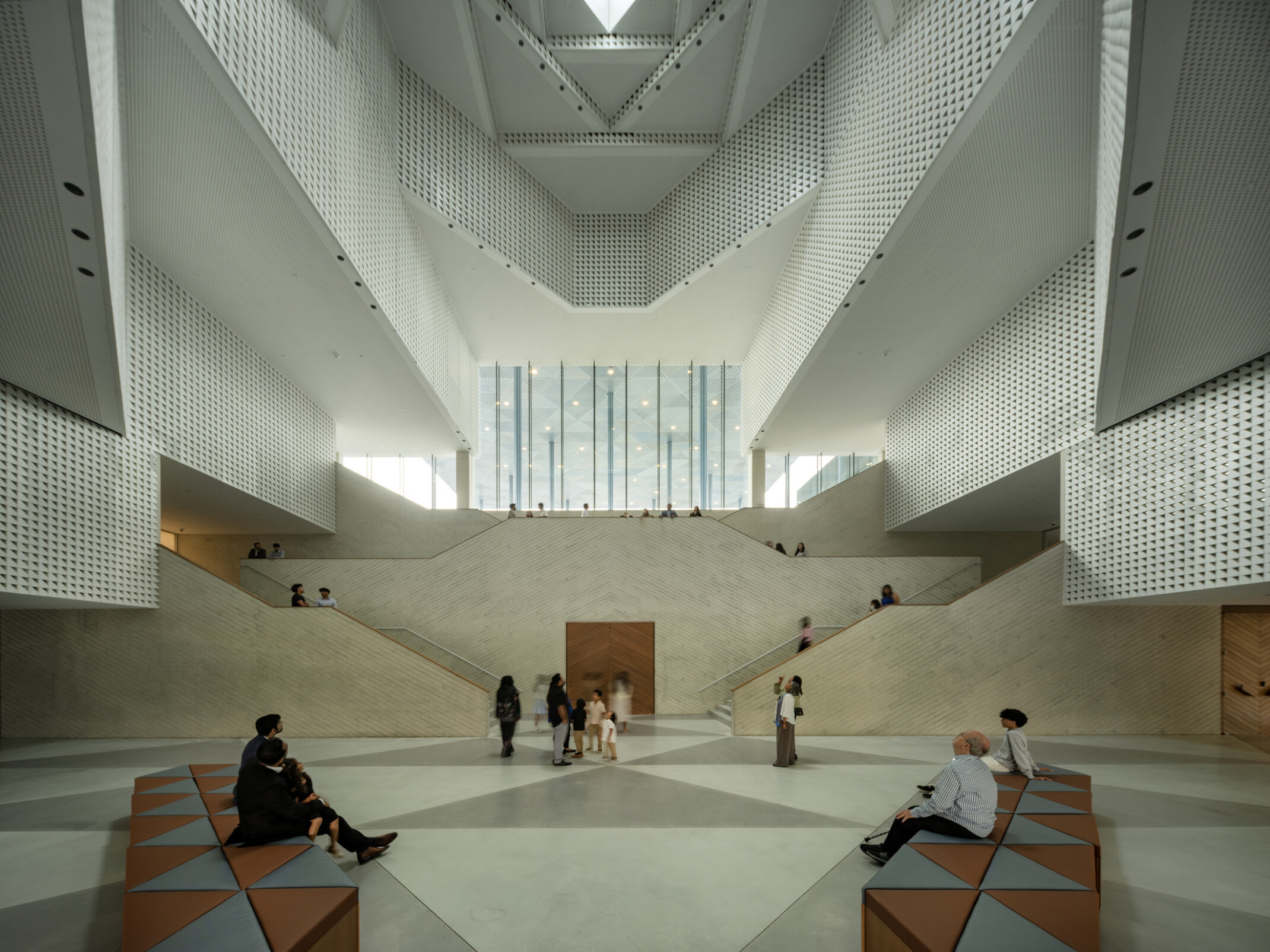
Kimbell Piano Pavilion and the addition to the Isabella Gardner Museum forever shaped how I design. They taught me to have reverence and humility when approaching a site. Whether you’re charged with an addition or a stand-alone project, it’s an incredible honor. These both happened to be world-renown institutions that carried intimidating design gravitas, which inherently caused an inner questioning – no design decision was made lightly, without purpose, or without considerable iteration. Most importantly, the design excellence had to be executed through every detail – down to debating the width of a shadow gap in fractions of an inch or the allowable radius of a built-up steel section. These design processes constantly moved from macro to micro investigations making sure that the concepts were buildable with the aesthetic goals in mind. That’s what I bring to my projects today setting visionary design goals and making sure they are translated all the way to the details.
Ideas
Recommended Reads