Skip Main Links
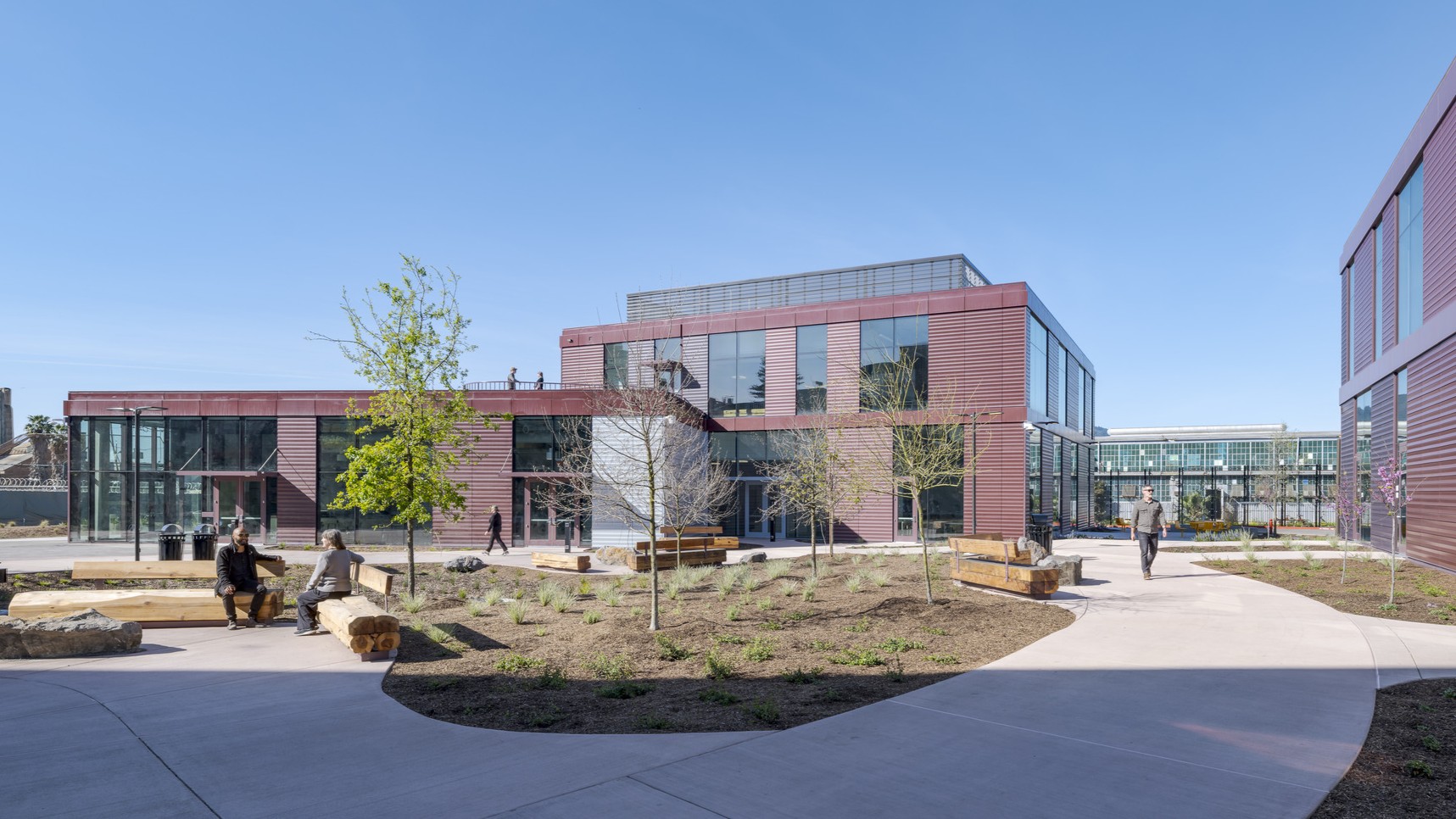
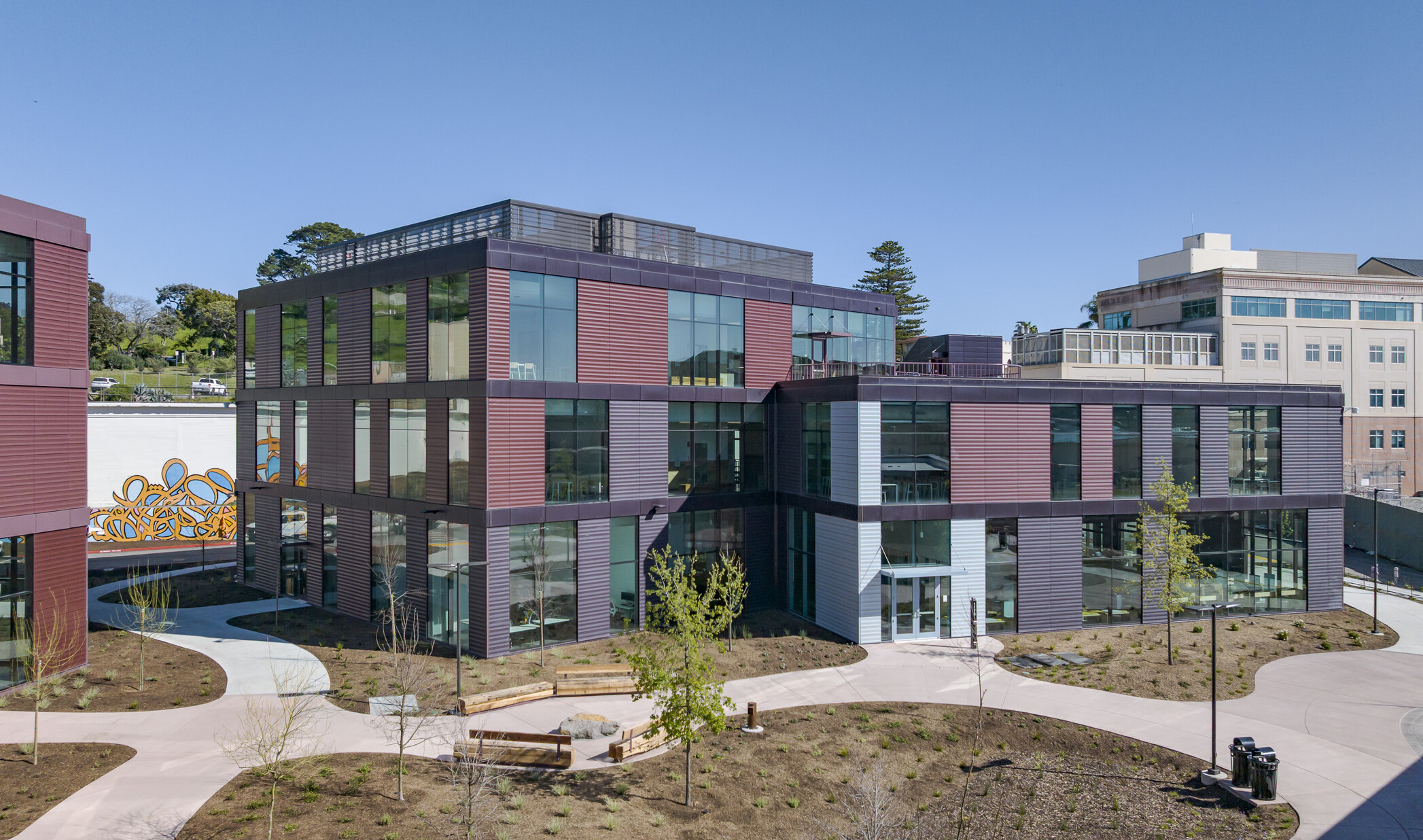
Wide shot showing two of the three new center buildings in the background, with a courtyard in the foreground featuring wide walkways, wooden benches, natural landscaping, and people sitting or walking throughout.

San Quentin Rehabilitation Center

The Future of Justice

Project Location

San Quentin, CA

Area

80,500 SF

Certification

Targeting LEED Gold

Features

Rooftop outdoor learning areas, media center, and library

Designing justice facilities carries a responsibility to advance a progressive, rehabilitative approach to custody. The San Quentin Learning Center not only fulfills this duty but also serves as the first implementation of a system-wide change to a normative model. These reforms are grounded in evidence-based best practices for caring for those in custody. In partnership with this methodology, the Learning Center’s design expands rehabilitation services, re-entry programs, education and job training, and holistic officer training.

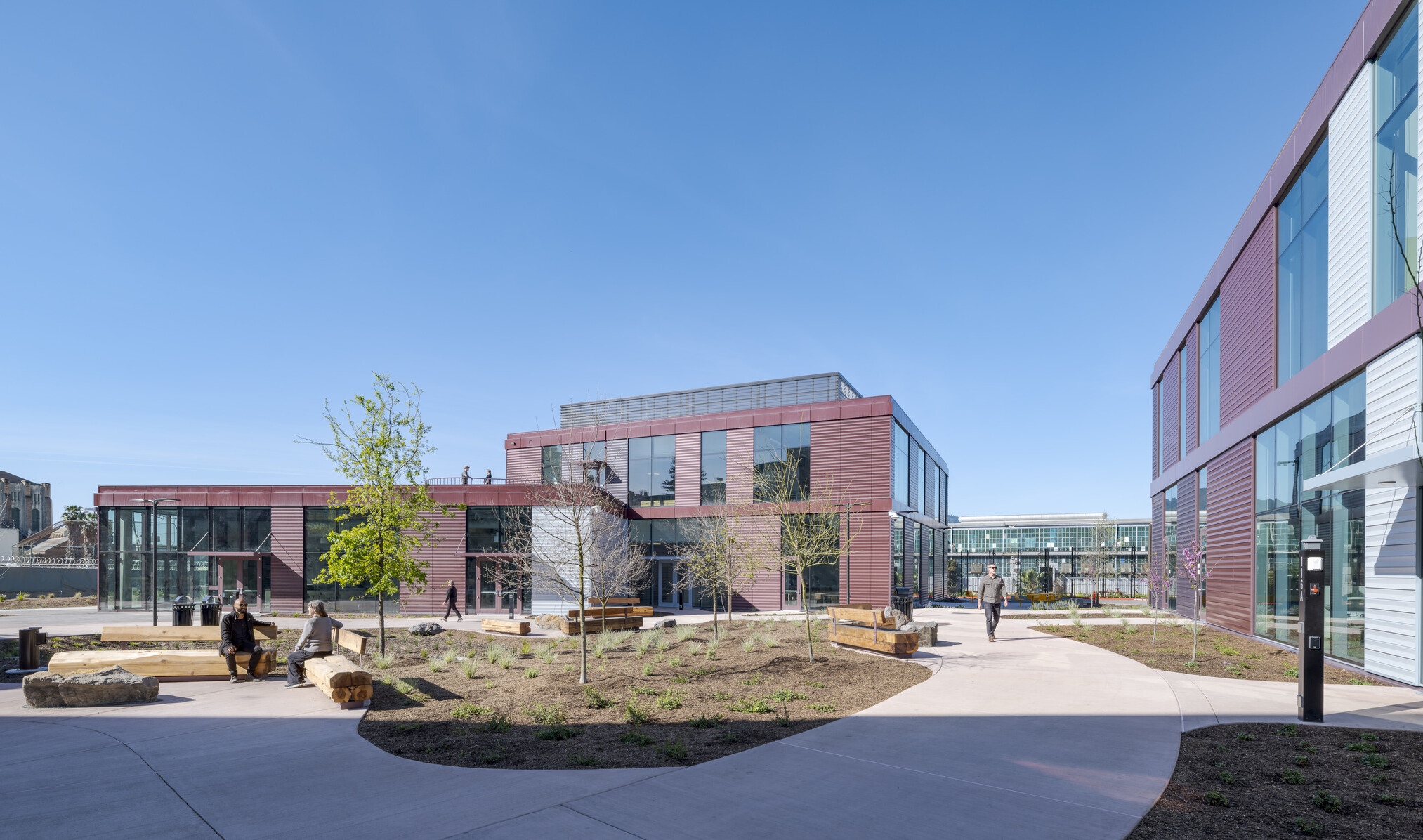
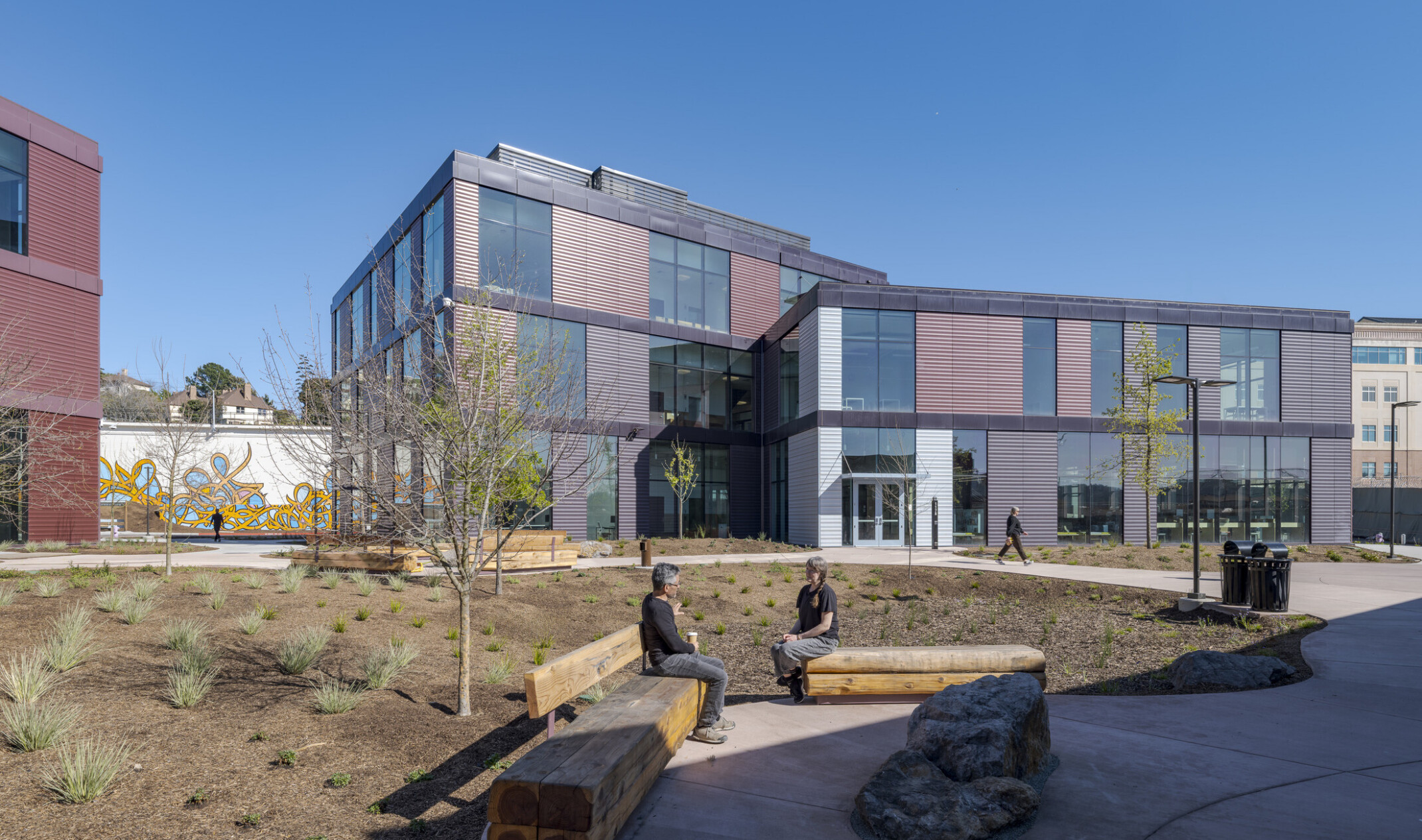
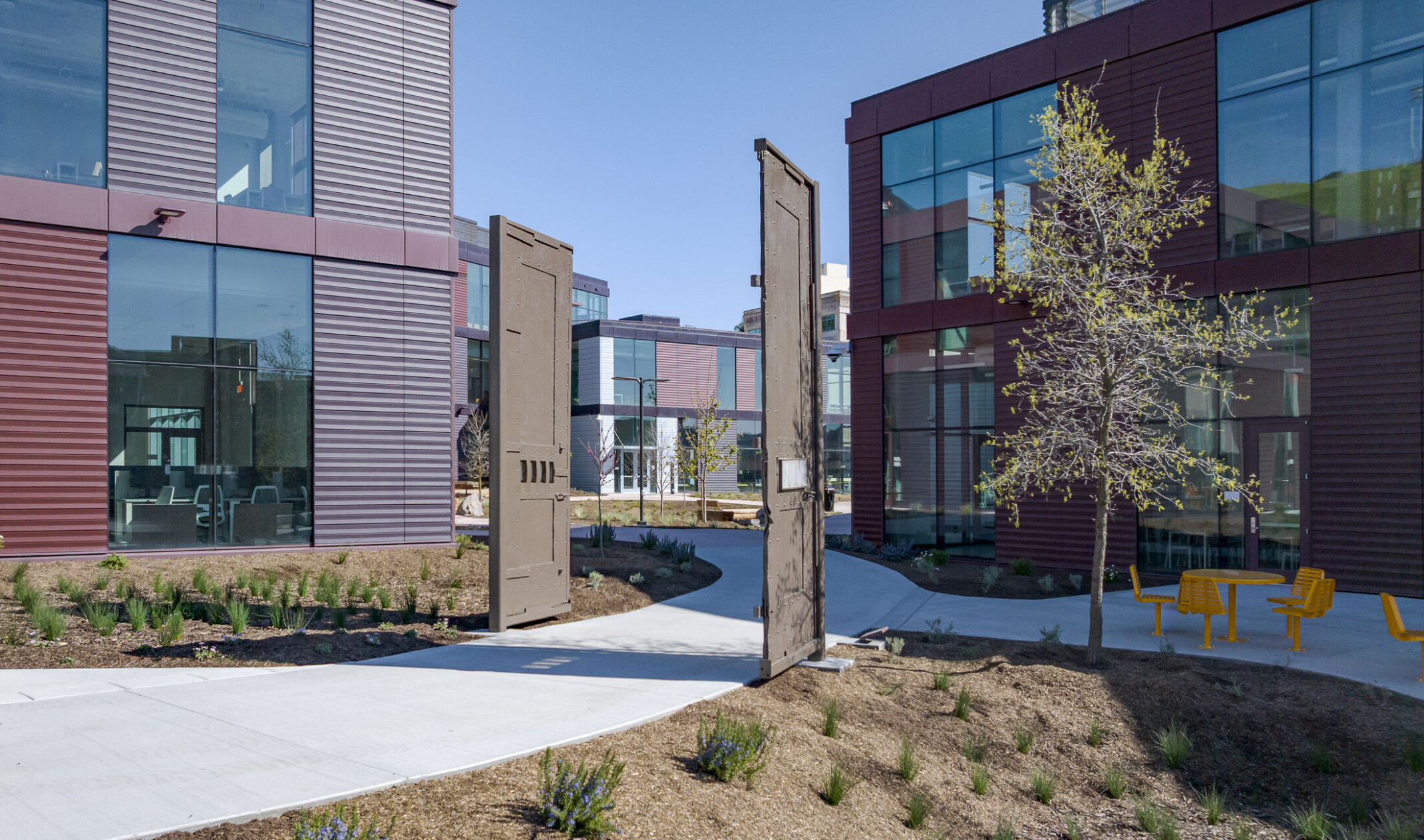
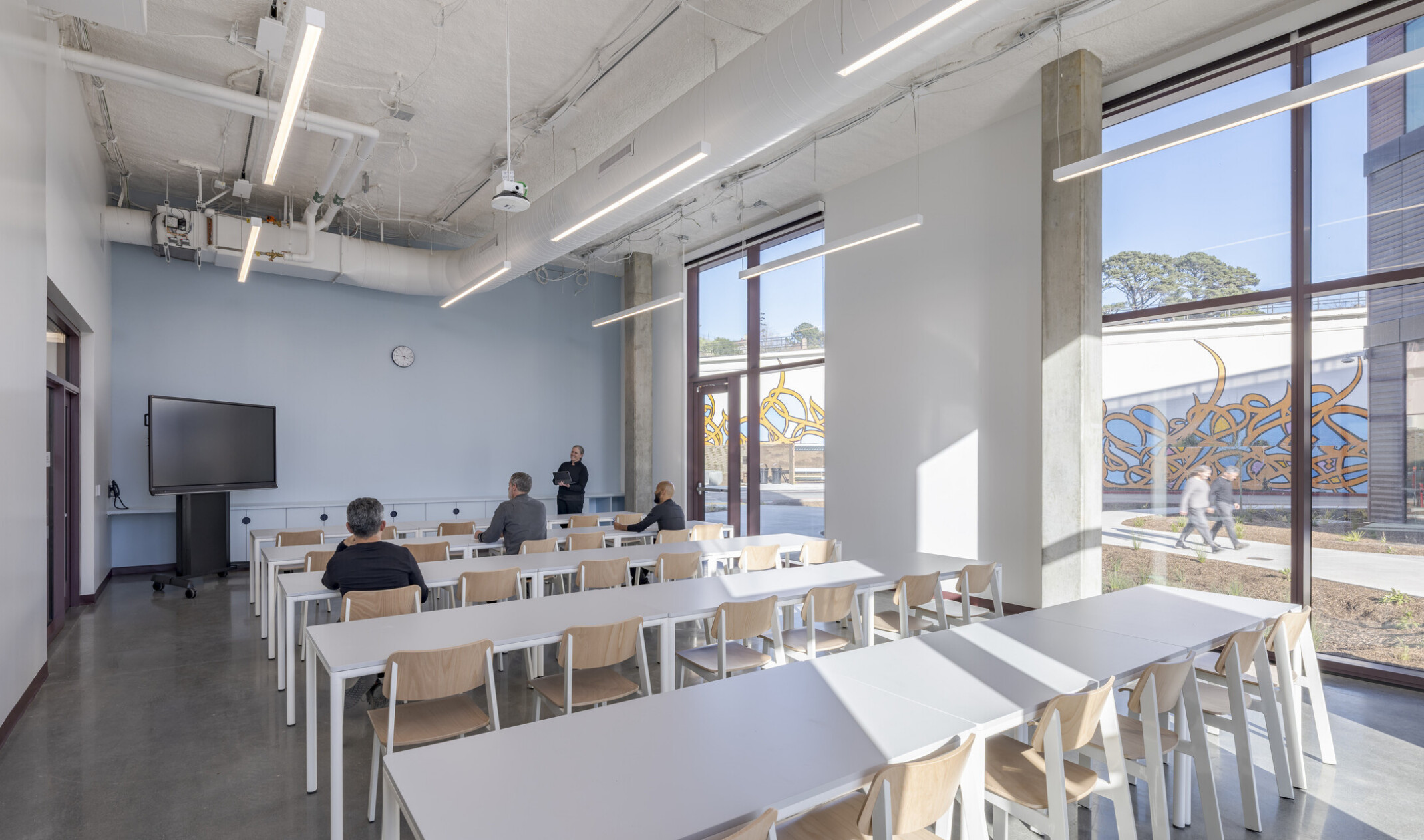
The three new buildings comprising SQLC total 80,520 SF. Inside, staff and residents have access to a media center, classrooms, a coding and technology area, a library, and communal spaces. The campus is grounded in trauma-informed design principles and learning-environment best practices. Similarly, the surrounding landscape offers access to nature through holistically integrated native plantings, reclaimed-wood benches, and boulders that ground the seating areas.

Our team, serving as Architect of Record, collaborated with Lead Designer Schmidt Hammer Lassen and McCarthy Building Companies to execute this progressive design-build project, a first for CDCR.


Featured Video
A Turning Point for Corrections in the U.S.

“We recognize the importance of this project because literally, the world is watching.”

The Educational and Vocational Center is being implemented by a progressive design-build team that includes McCarthy Building Company, SHL, design architect, and DLR Group, architect of record.

The Principles of Rehabilitation

Time spent in custody should be time spent rehabilitating. Creating a space that nurtures transformation, however, is a design feat predicated on an understanding of how the built environment shapes human behavior.


01
A Sense of Agency

Owning Your Experience

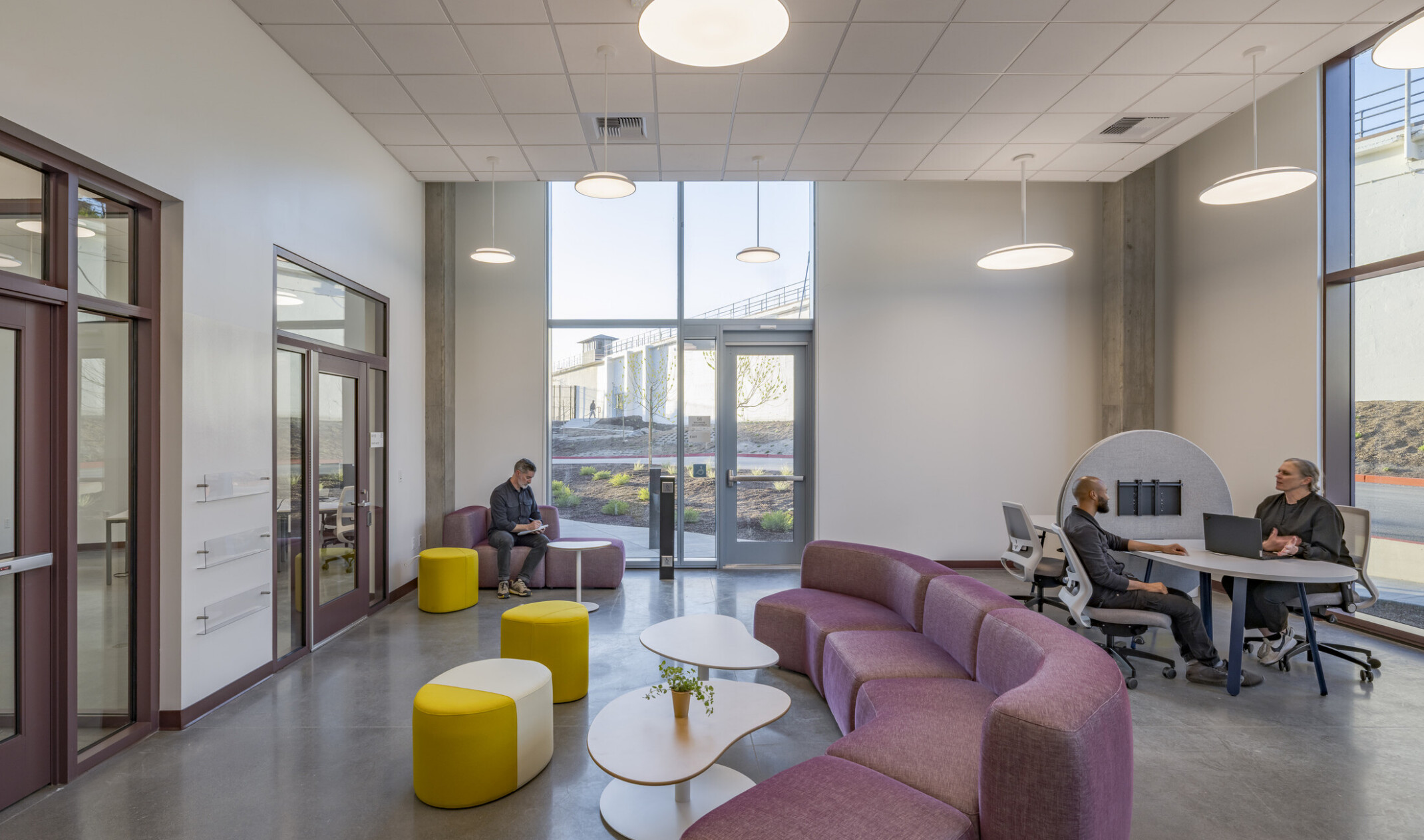
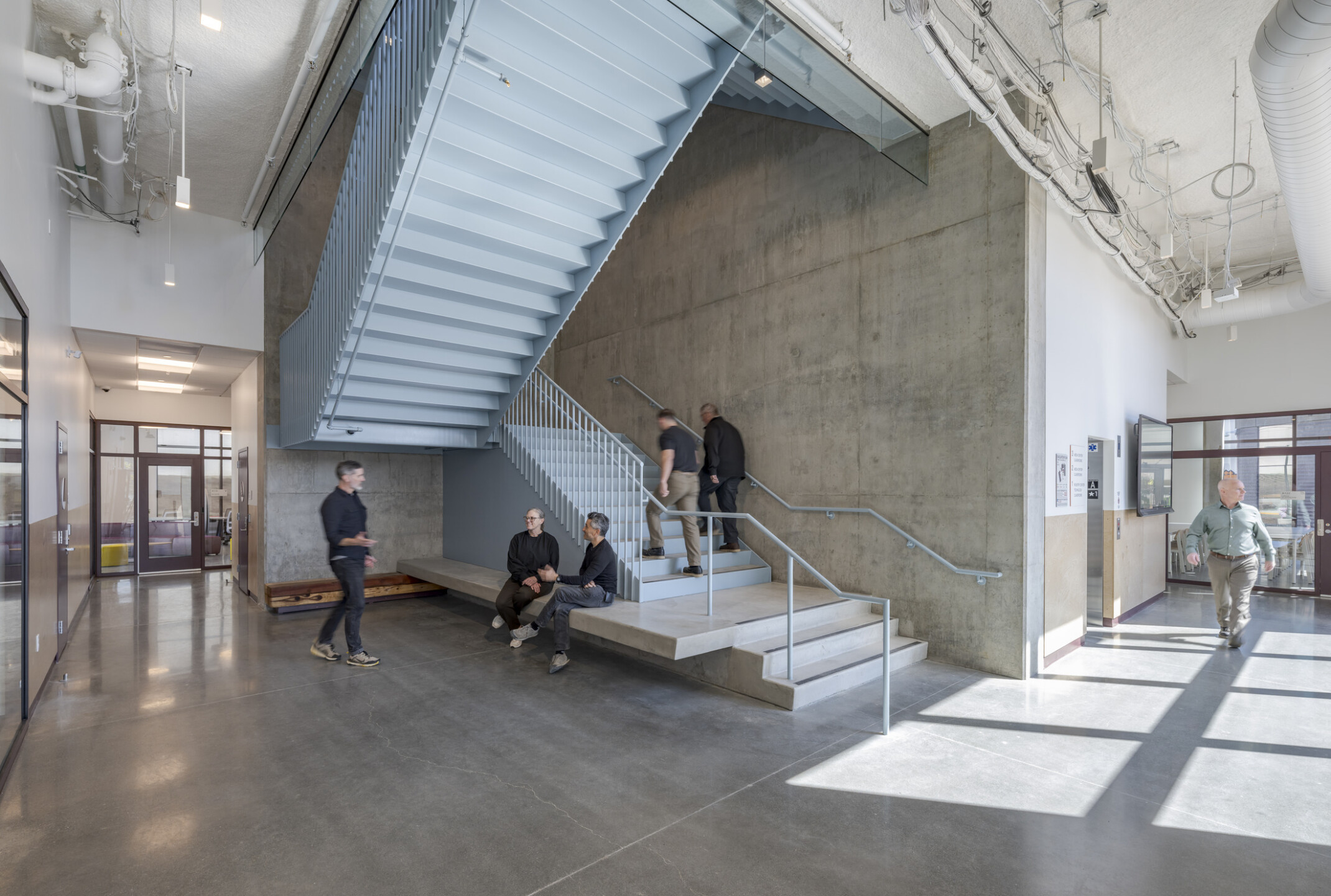
Cultivating a sense of agency is foundational for successful reentry. Life in secure facilities rarely offers gathering spaces outside of classrooms or rec yards. Introducing "third spaces" in buildings like the Learning Center can help individuals feel a sense of ownership over their experience. Our design incorporates campus-style layouts to introduce greater flexibility and freedom of movement between spaces, encouraging exploration and engagement with the center's life-enhancing programs. This openness allows people to choose their own path to the cafe, library, media center, and more. Each building also features a central set of stairs, a unique fixture within these facilities that promotes freedom of movement and increases opportunities for physical activity for staff and inmates. These staircases earned the design an "active design" credit through LEED, which aims to improve building users' health through physical activity.
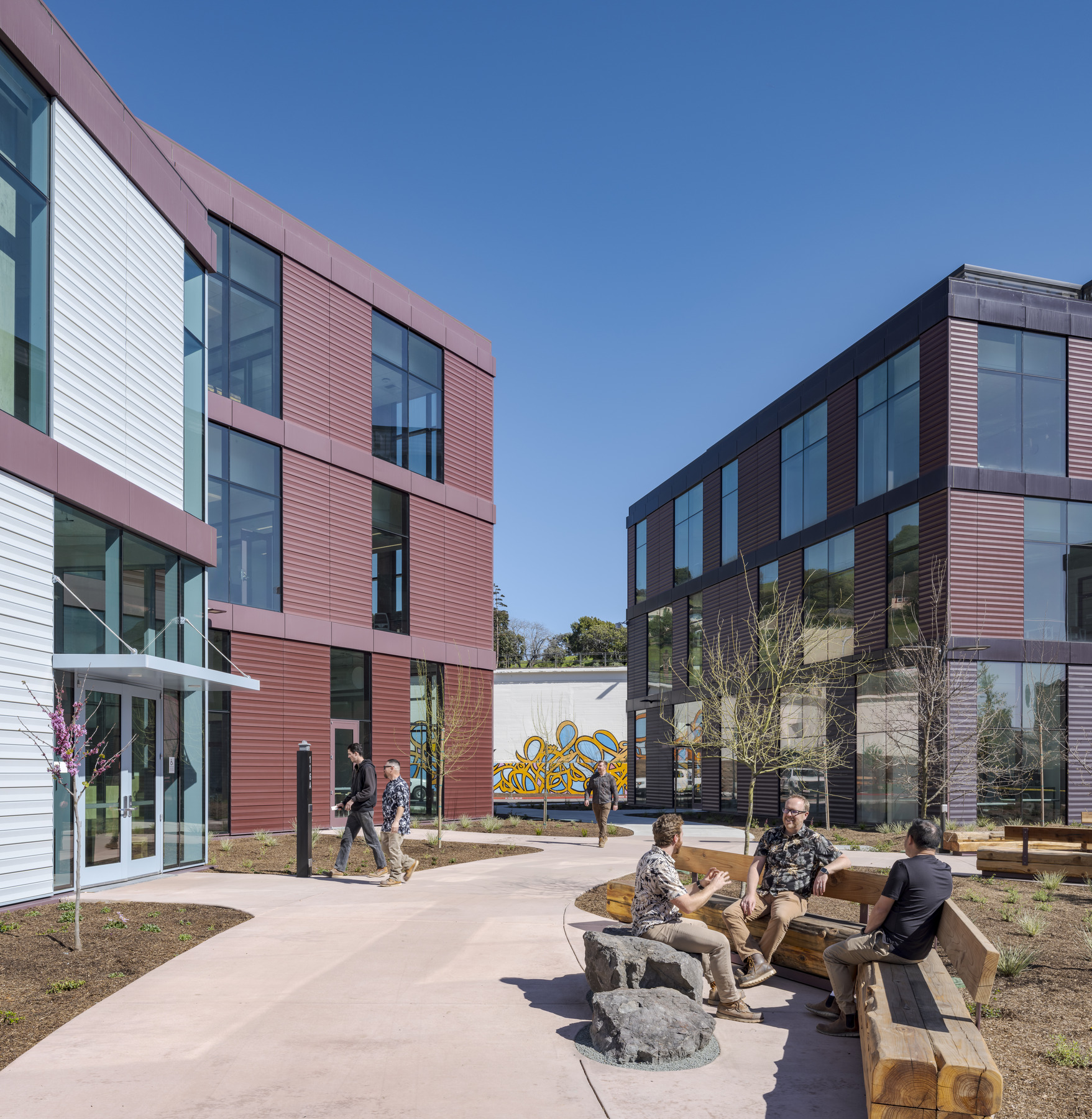
A clear blue sky above an outdoor courtyard situated between two maroon-colored buildings; several people are seated on wooden benches near one of the building entrances, enjoying the open-air setting.
A spacious hallway with a high ceiling and a prominent staircase; several people walk through the space or sit on a built-in cement bench attached to the staircase.
02
Normative Environments

Creating Restorative Connections

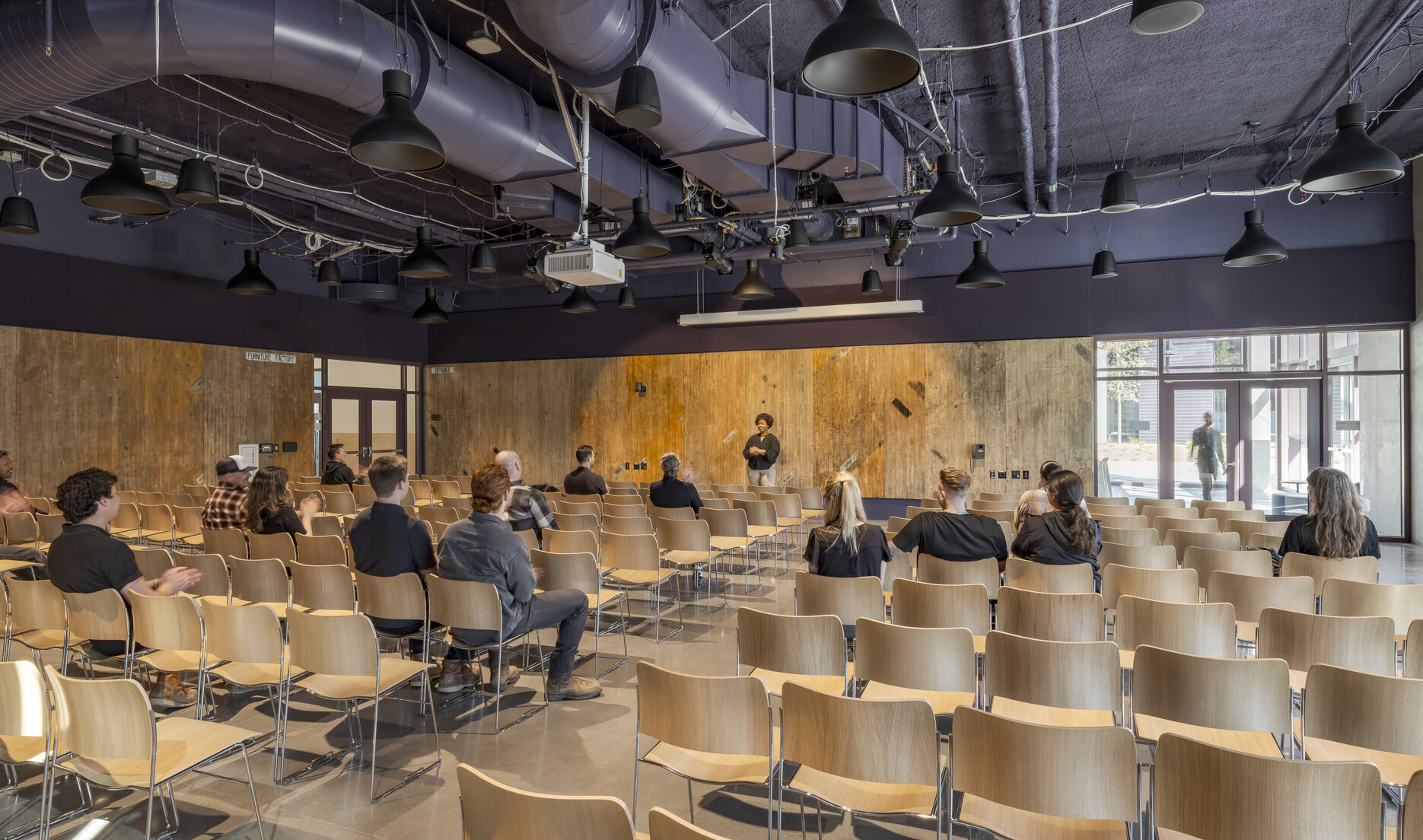
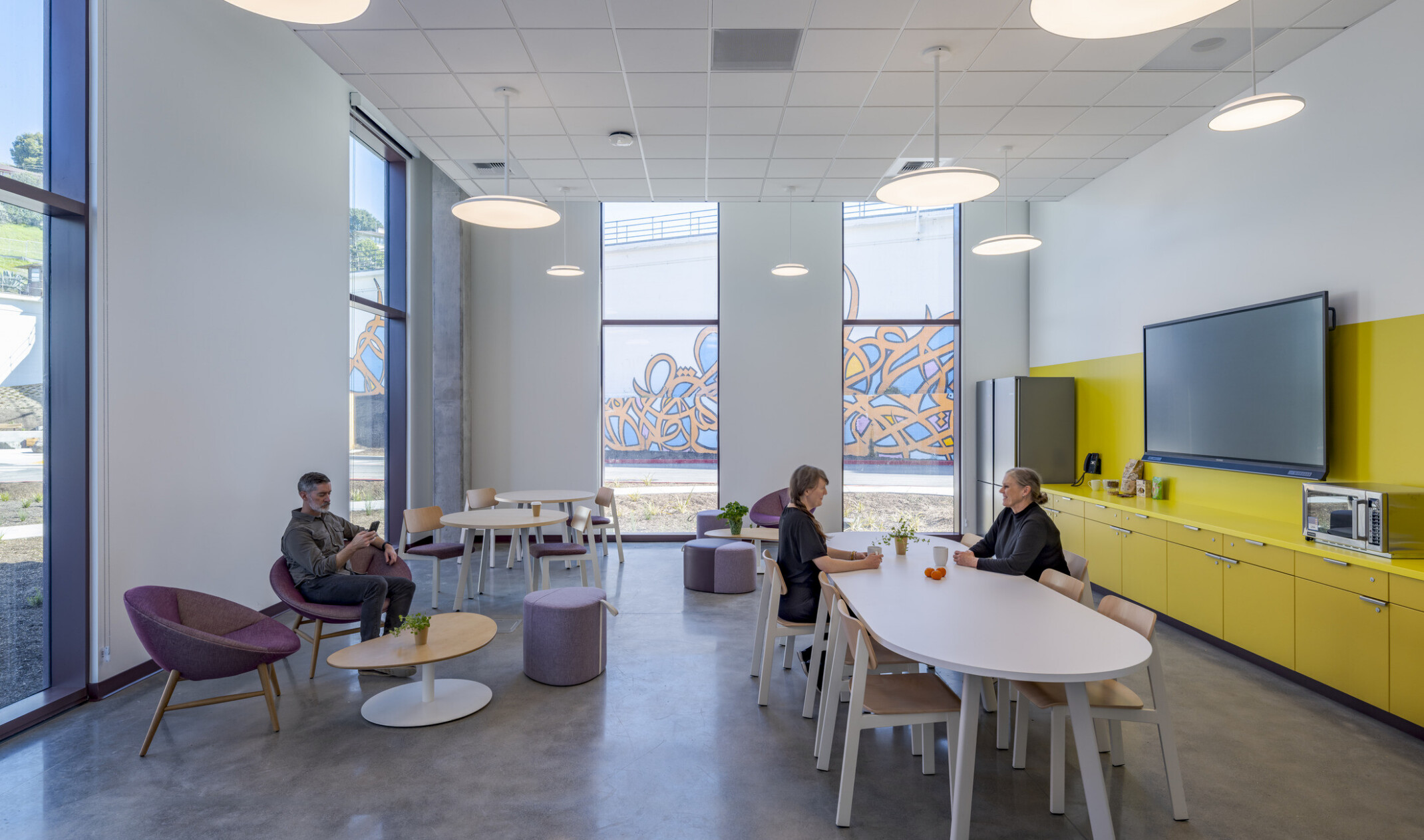
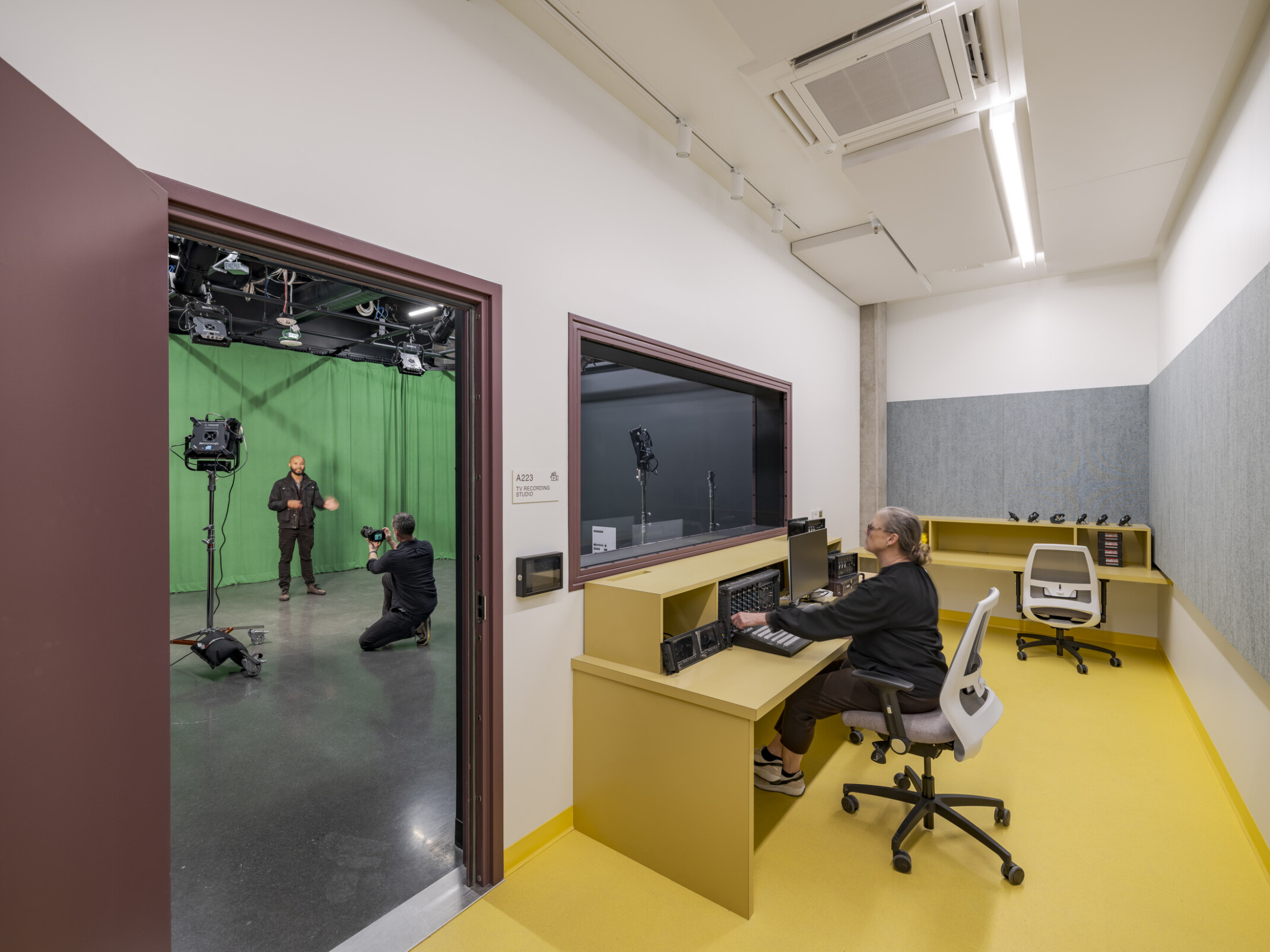
Our design softens the imposing monolith of San Quentin Rehabilitation Center with a campus-style layout. Landscaping, walkable routes, courtyards, indoor-outdoor classrooms, and shared community spaces link the three buildings. This layout lends itself to a normalized setting that enables life inside to more closely resemble life on the outside. This principle is affirmed by communal spaces like the cafe, which is open to both staff and residents; the library, which now allows open browsing and study; and the media center, which provides training opportunities relevant to the current job market.
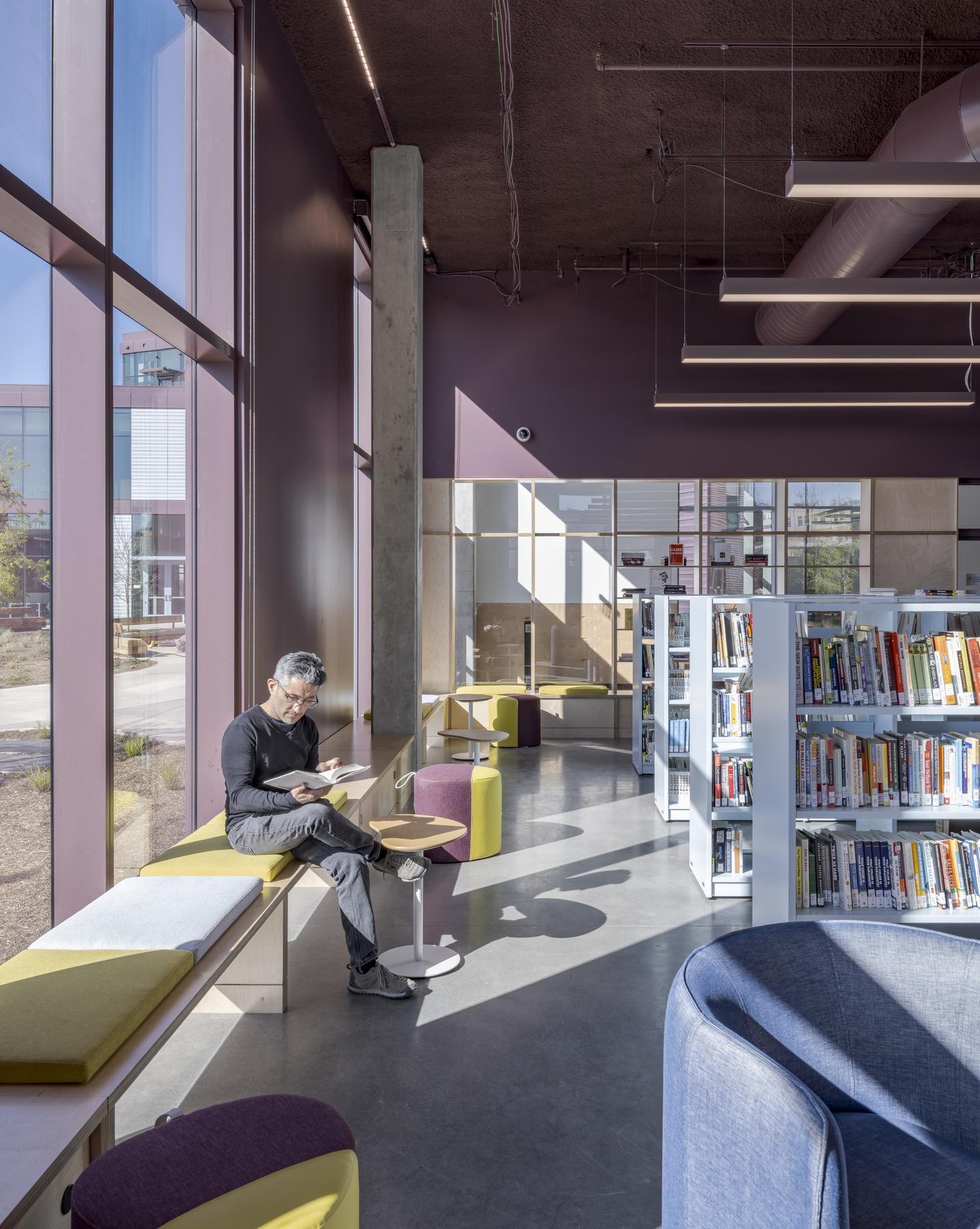
A man reads a book on a window bench bathed in sunlight beside floor-to-ceiling windows, surrounded by bookshelves in the center’s new library.
A performer is filmed in a studio in front of a green screen by a cameraman; through an open doorway, a sound engineer is visible at a sound booth, observing from an adjacent room.
03
Nature is Nurturing

Healing in a Natural Environment

In restorative design, nature is not decorative. Maintaining a connection to the natural environment helps reduce stress, support attention, and make spaces feel safer and more humane. Our design explicitly highlights natural light, open sightlines, and outdoor courtyards to reduce the institutional feel and signal dignity, agency, and calm. Furnishings, paint colors, and finishes are dipped in earth-tone palettes to deepen the connection to the landscape beyond the secure perimeter.
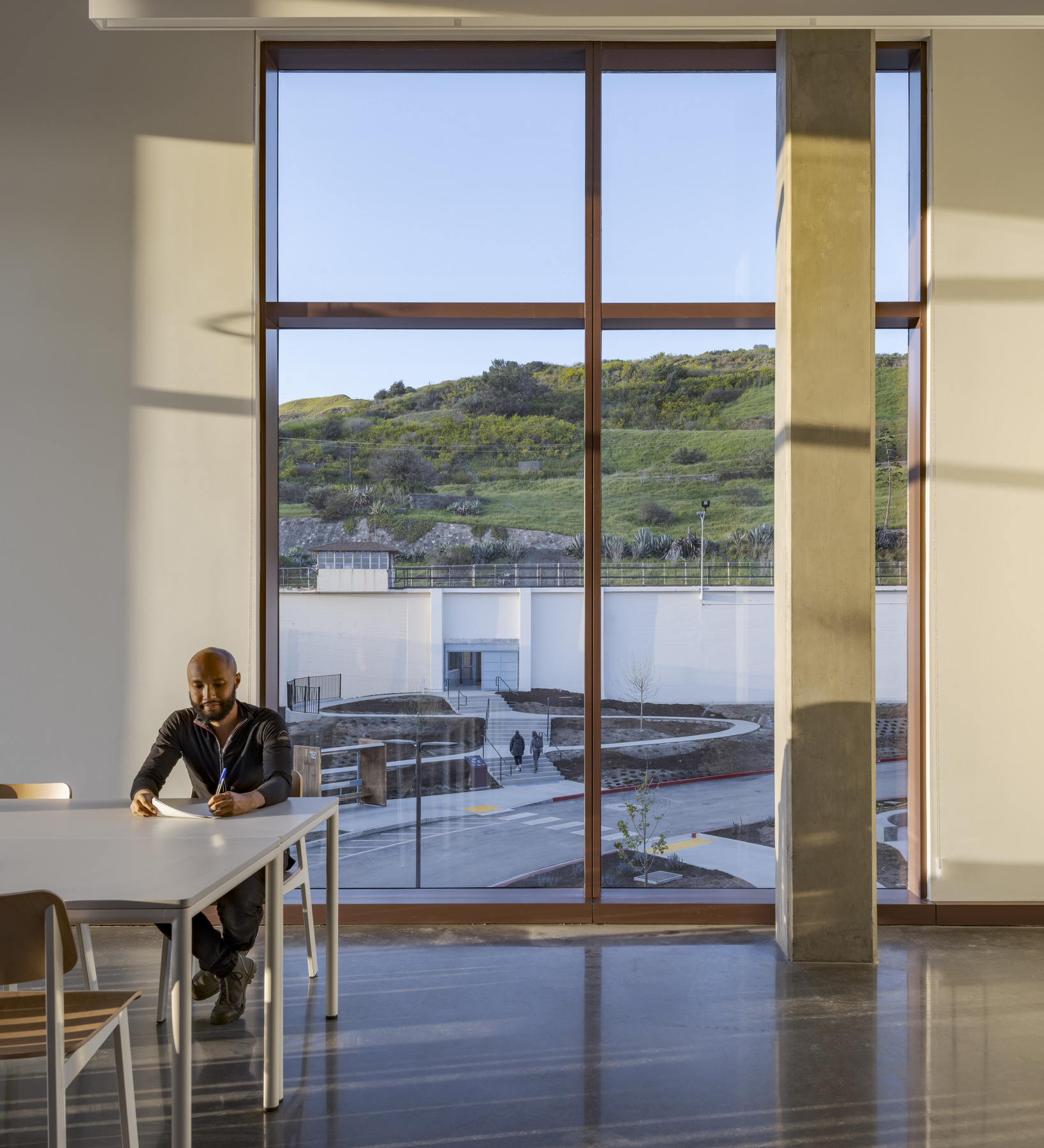
A man sits at a table inside, with floor-to-ceiling windows behind him offering a view of the green hills encircling the facility.
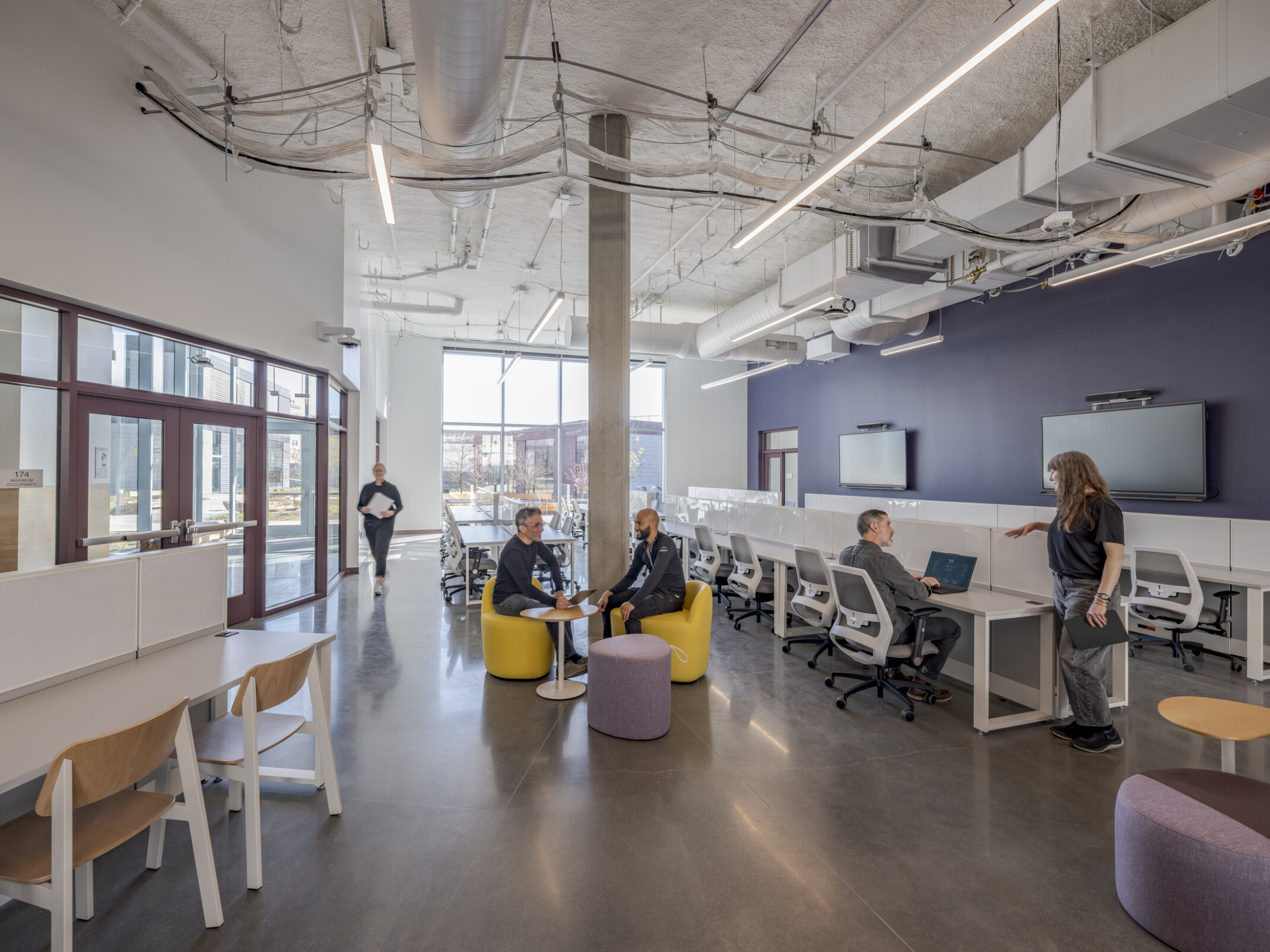
A learning lab with high ceilings and multiple work areas, where people sit on stools and at desks; floor-to-ceiling windows in the background provide direct views into the center’s courtyard.
04
Privacy and Dignity

Making Life Humane

Our in-house acoustical engineers worked to ensure acoustical privacy in spaces. Individuals can gather at the top of the stairs or at the end of the hallway for quiet conversation, fostering a sense of normalcy and dignity within the facility.
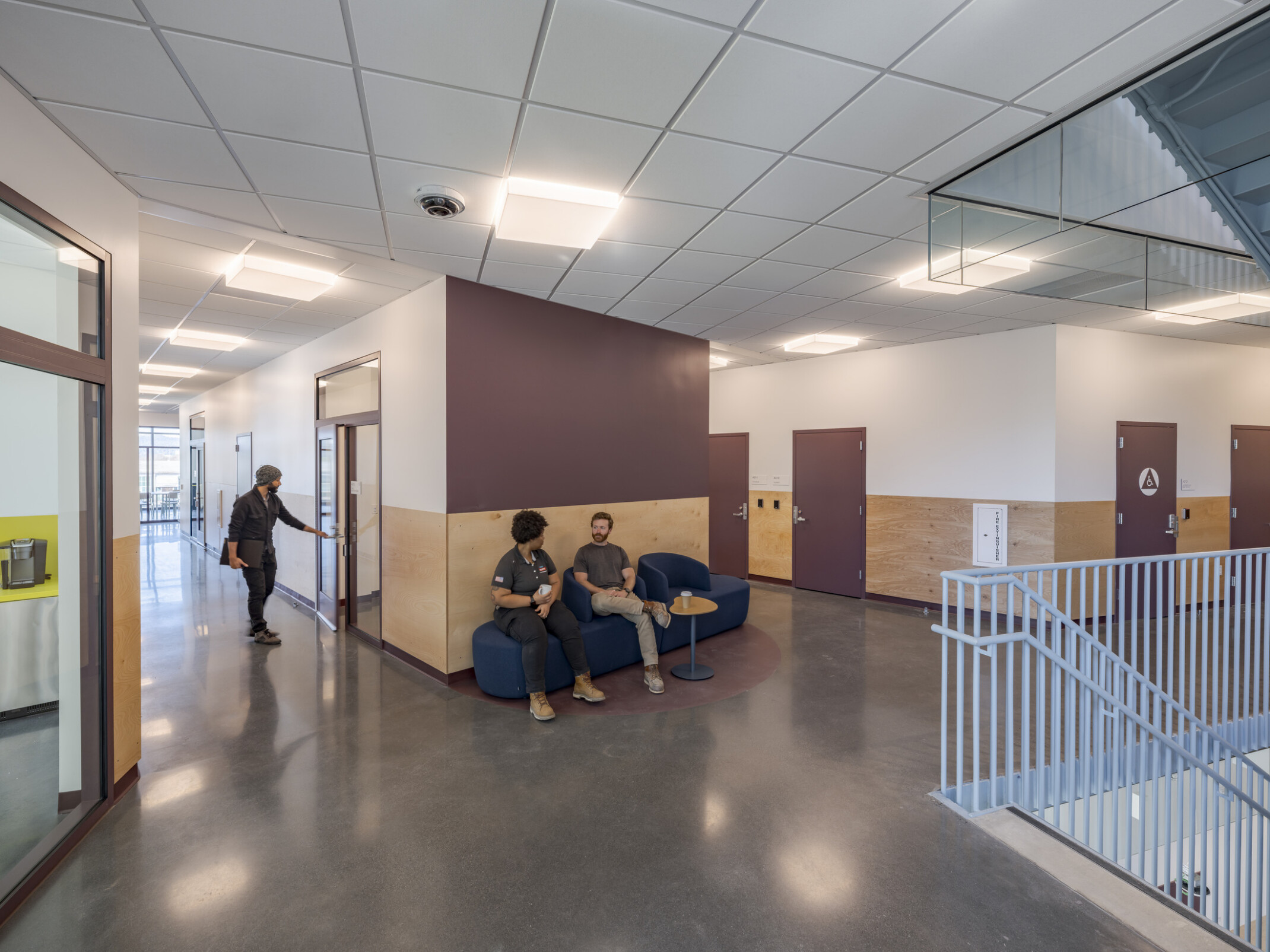
People converse in a comfortable seating area at the top of a staircase, surrounded by hallways, doors, and windows.
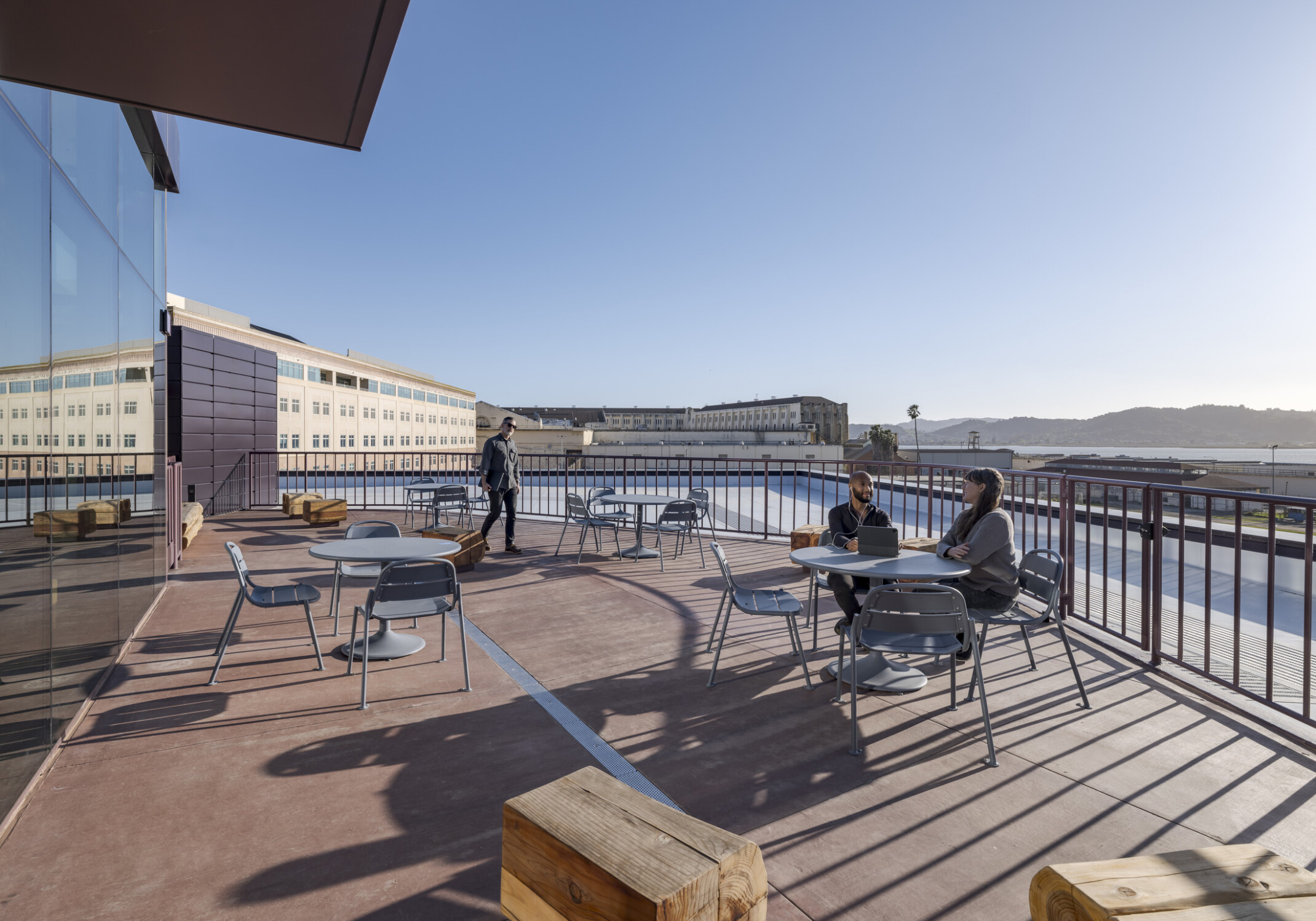
A balcony filled with tables and seating, where people sit and walk; the San Quentin facility appears in the immediate background, with Northern California hills rolling beyond.

The Big Idea

Leading Justice Reform
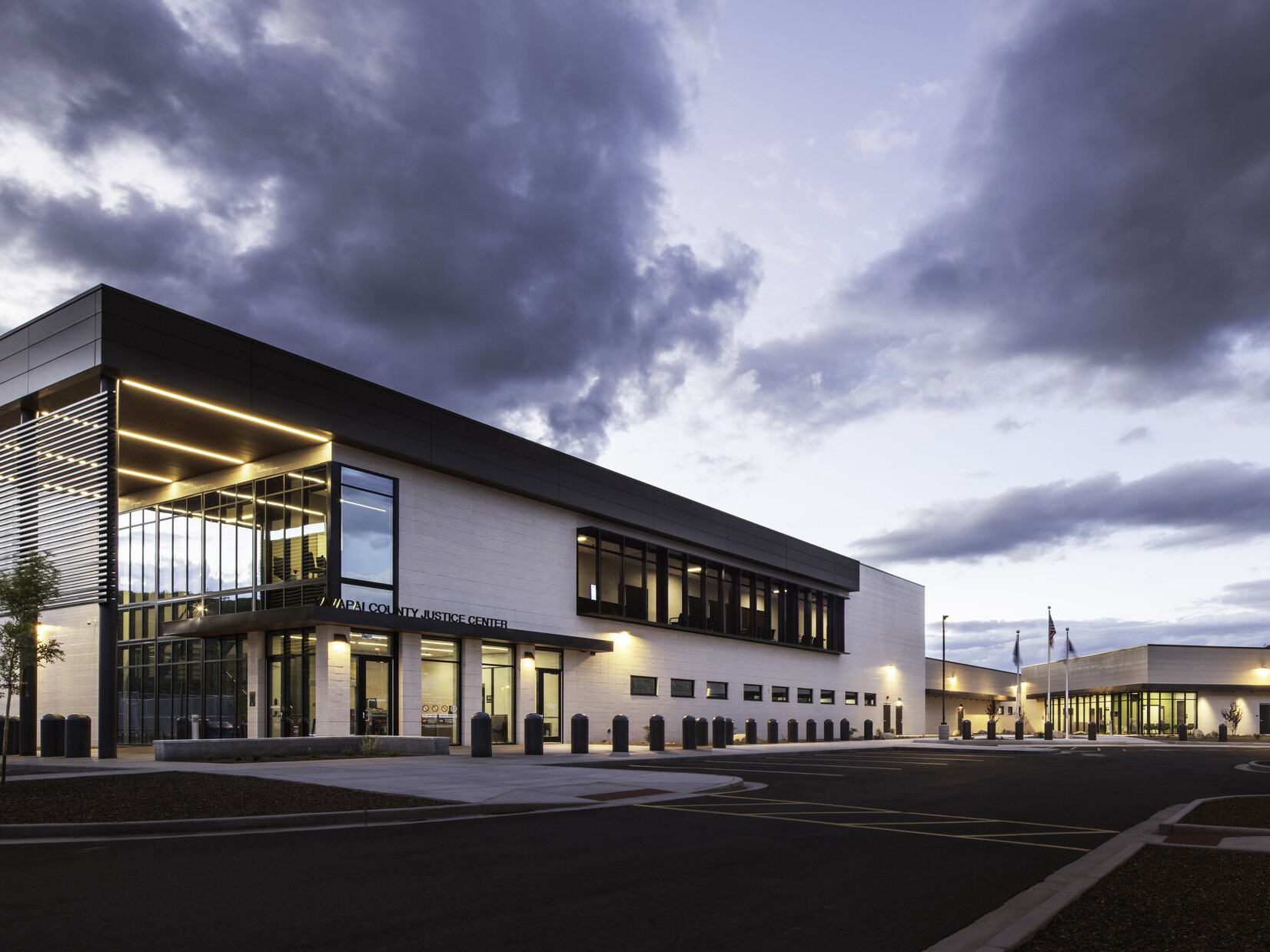
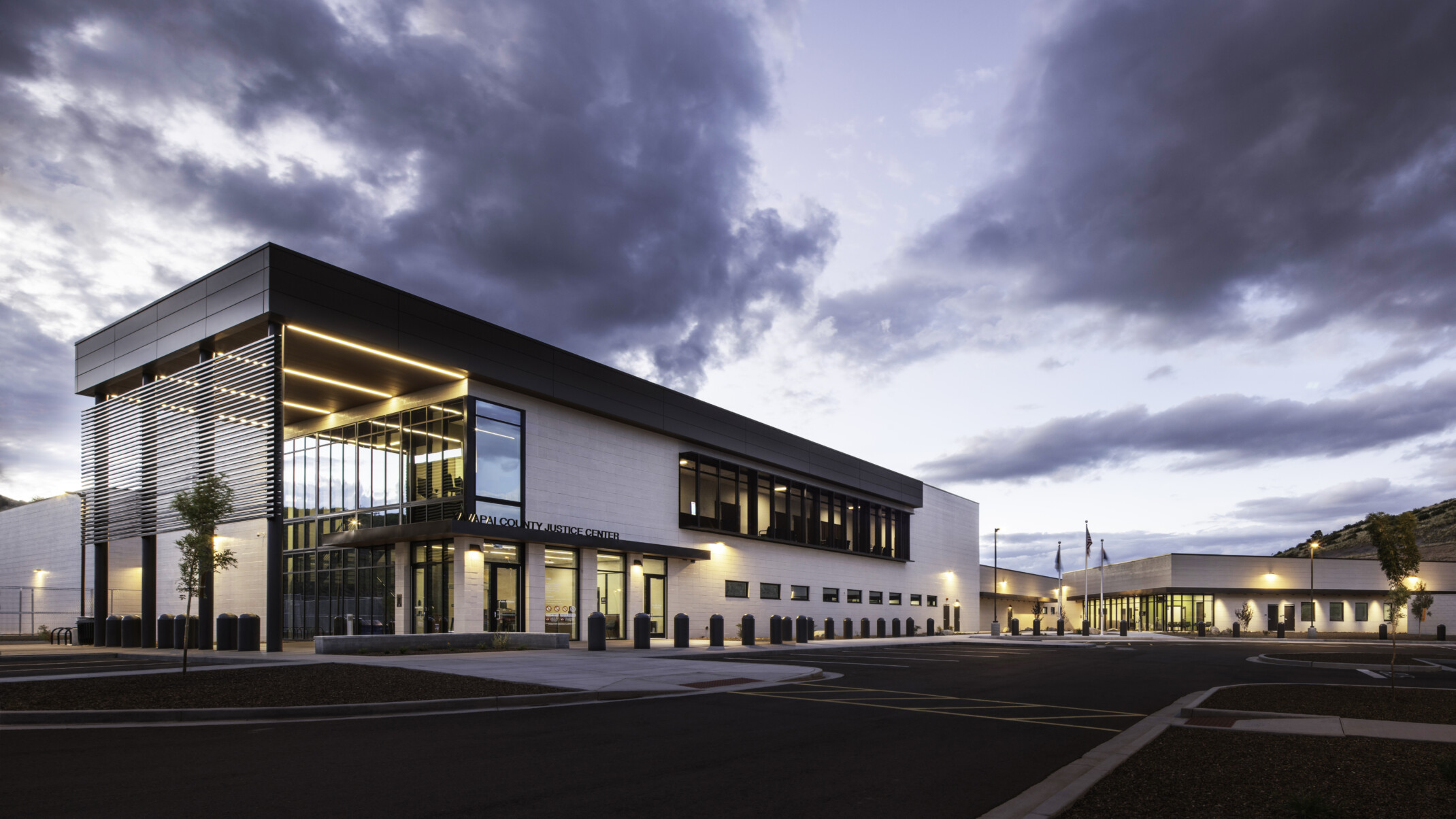
Exterior of Yavapai County Criminal Justice Center. Natural materials, floor to ceiling windows, building entrance

Contact Us

Contact Us

  • This field is for validation purposes and should be left unchanged.