Strategic Design Shapes a Resilient Future in the U.S. Virgin Islands

Pamela Loeffelman
FAIA, LEEP AP
K-12 Education Leader
Pam is a k-12 education leader, advancing educational outcomes for school districts around the globe.
Email 917-370-7273A new educational standard is emerging in the U.S. Virgin Islands, defined by resilience, student-centered practices, and innovation. The Virgin Islands Department of Education is leading a transformation that goes beyond recovery from hurricanes, setting a bold course for learning across St. Croix, St. Thomas, and St. John. Central to this effort is DLR Group’s design approach, which mobilizes a scalable “kit of parts” to deliver high-quality, future-focused learning environments, accelerate project delivery, and establish clear guidelines for maintenance and operations.
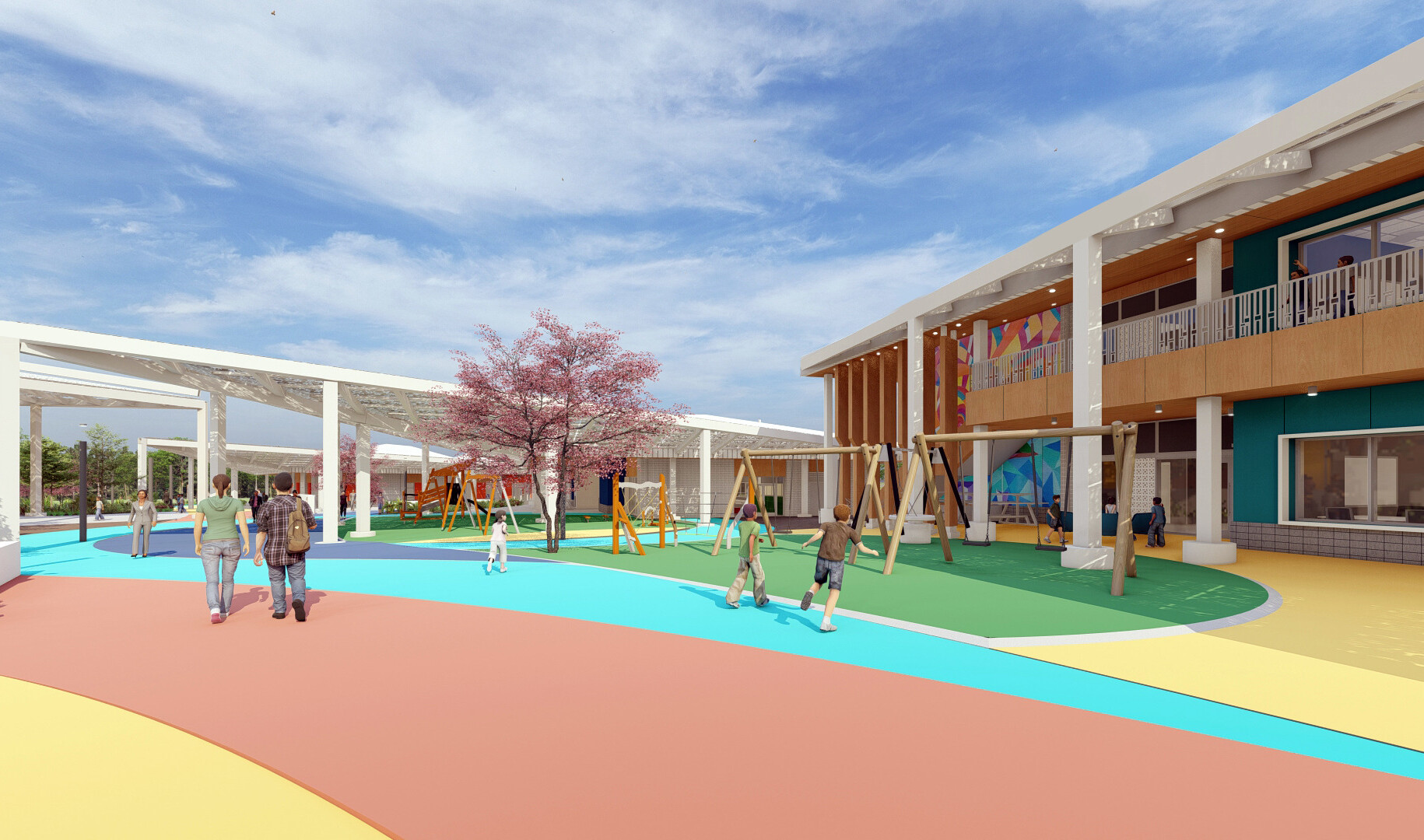
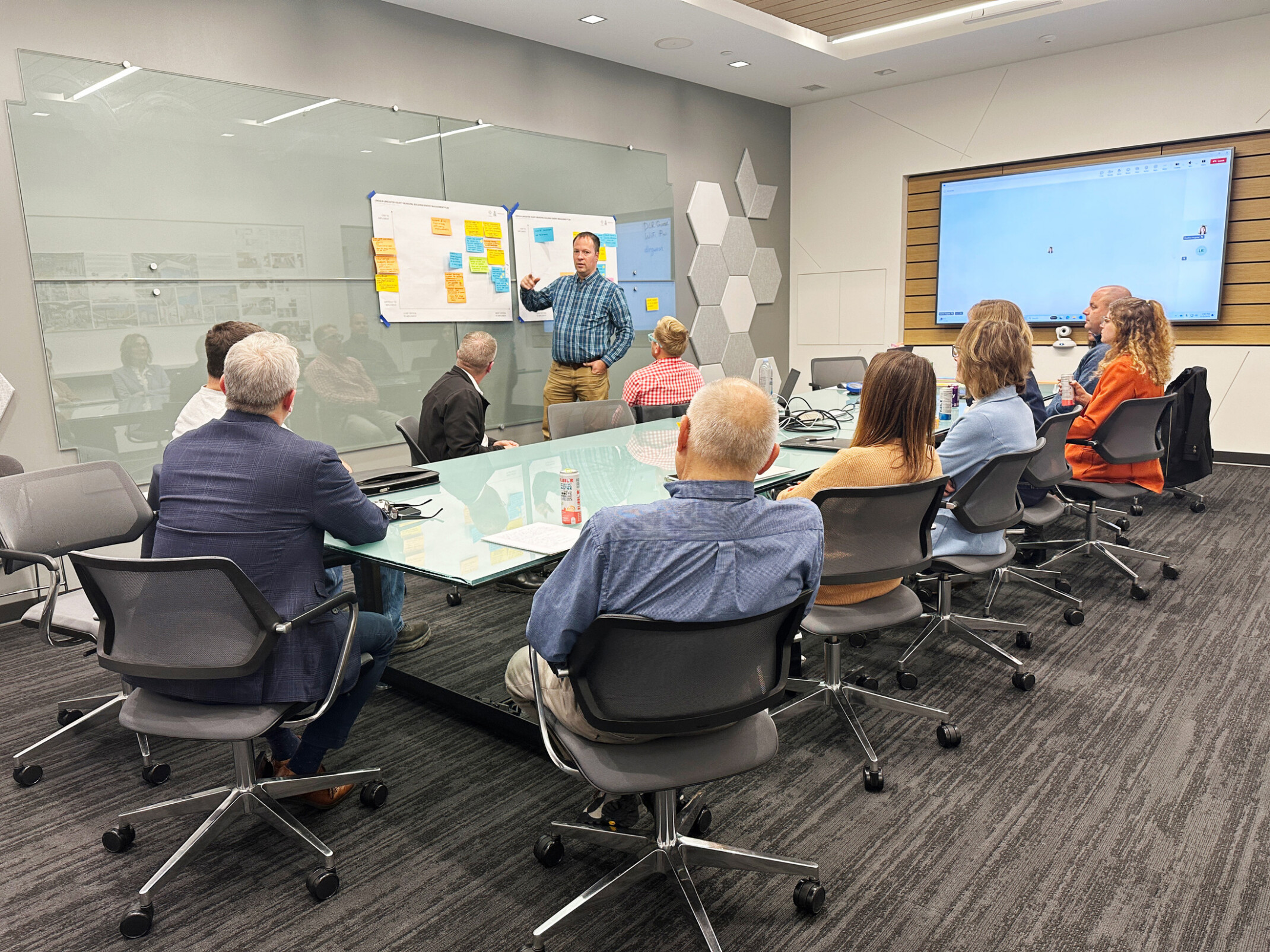
This approach began with a comprehensive review of educational specifications, including SF per student and programmatic needs. These were balanced through stakeholder engagement and aligned with local culture. The process culminated in bridging documents, which are detailed guidelines that define quality standards for design, engineering, and budgets. These documents provide a clear framework for all stakeholders and a trackable scope for construction procurement. Collaboration with VIDE and FEMA, combined with a deep understanding of the territory’s unique challenges, enabled our integrated design team of architects, engineers, and specialty services to establish robust criteria for more than 20 facilities in the $3.68 billion FEMA-funded portfolio. This framework, inspired by the facilities master plan, addresses both immediate needs for safe, modern schools and the long-term vision for educational excellence.
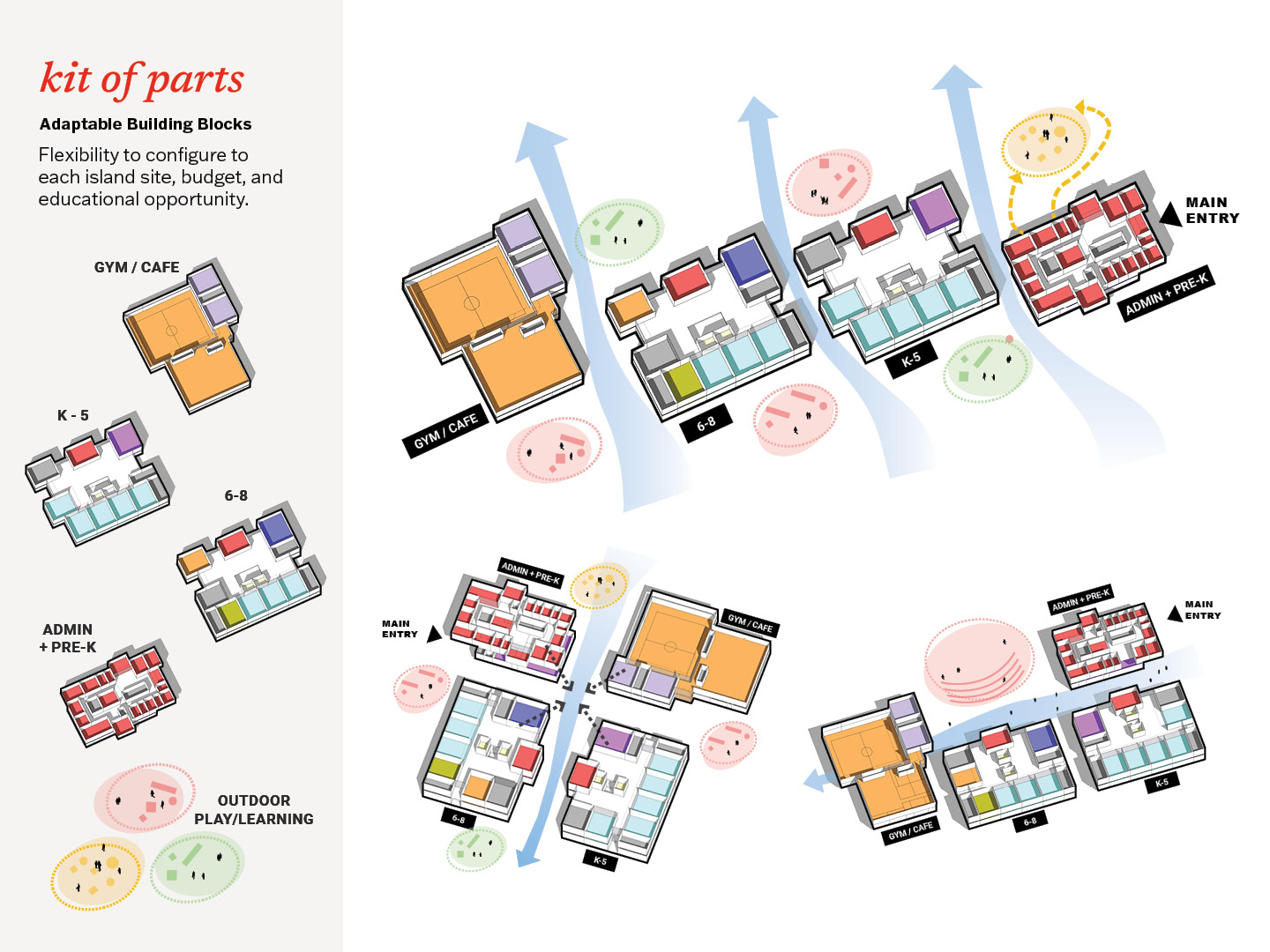
The “kit of parts” model organizes each school into adaptable building blocks, such as small learning communities, gymnasiums, and administrative areas as “building blocks” for success. These can be configured to fit each site and reflect the character of every island. This flexibility supports all grade levels, career and technical education, and adult certifications. It ensures every school whether new, replacement, or renovation, meets the highest standards and provides:
-
Access to Educational Opportunities
Student-centered learning is at the core of the master plan. Flexible, resilient spaces are informed by the input of more than 45 stakeholder groups. The bridging documents set design and operational standards that guarantee every student, regardless of age or island, has access to a high-quality learning environment. The plan consolidates 45 aging school buildings into 18 modern campuses and four support facilities. Each is designed to withstand the territory’s tropical climate and the future reality of natural disasters common to this region.
-
Quality Delivered on Time
A standardized design streamlines implementation, allowing phased funding and construction that addresses labor and material shortages and cost escalation. This approach reduces complexity, shortens timelines, and allows for construction in stages, so schools can stay open during improvements. Its efficiency is matched by a commitment to resilience and operational concerns with each campus incorporating features such as photovoltaic systems, water filtration, natural ventilation, and hurricane-resistant building systems and safe rooms.
-
Clean Operation
Clear guidelines for maintenance and operations outlined in the “kit of parts” empower VIDE and the Bureau of Maintenance and Facilities to manage facilities consistently and efficiently. Standardized systems simplify training, maintenance, and procurement. This reduces long-term costs and supports safe, healthy learning environments.
What’s Next?
With a master plan covering more than 2.7 million SF of educational space and a $3.68 billion investment, the U.S. Virgin Islands is setting a new benchmark for educational infrastructure. Over the next decade, more than 20 educational facilities will be repaired, modernized, or replaced. This demonstrates the impact of thoughtful, future-focused design. This is more than a design-build program. It is a commitment to students and communities, and a model for others facing similar challenges. The future of learning in the U.S. Virgin Islands is bright, built on a foundation designed to last.

Ideas
Recommended Reads