10 Ways Data Centers Can Earn Community Support

Jonathan Mesik
PE
National Mission Critical Leader
Jonathan leads integrated teams to design and deliver mission critical facilities in which operations is essential to be maintained for clients throughout the country.
Email 312-780-1041Data centers have become the defining building type of this decade, and their effects on nearby communities and infrastructure are increasingly brought up in public discussion. Developers and end users attempting to circumvent public-approval processes or force communities to accept construction of their projects without discussion have encountered significant pushback and even state and local bans.
But it doesn’t have to be this way. We’re seeing developers find a middle path when they work with communities, and with design partners who advocate for outcomes that put people first. The projects getting through approval today are the ones that address the following:

Water Usage
Problem: Historically, many cooling systems used large amounts of water, putting pressure on local drinking water supplies.
Solution: Favor cooling systems that recirculate water in a closed loop after the initial filling is complete. Some in the industry are pushing further still, using waterless refrigerant-based cooling techniques.
Grid and Power Capacity
Problem: A large facility can need as much power as a small city, which forces the local utility to build new or upgrade power lines to serve these buildings.
Solution: Fund electrical grid upgrades the project requires. Invest in solar and wind to ease the burden on the grid and include battery storage systems with the facility itself to pull less power during peak demand hours, when the grid is most stressed.
Noise
Problem: Cooling equipment runs constantly, and backup generators are tested often. This equipment may emit a low hum that’s noticeable to nearby residents.
Solution: Incorporate sound baffles into the design, keep buildings a reasonable distance from homes, and add landscaping as a buffer. Incorporate these features and select equipment based on its ability to keep decibel levels at or below 55 dBA (roughly as loud as an electric toothbrush) at residential and school property lines.
Generator and Truck Activity
Problem: Backup generator testing and fuel truck deliveries add to the noise and impact air quality.
Solution: Limit generator testing to daytime hours with a limit on the testing duration and restrict truck idling during delivery unloading. Design the site to keep truck routes away from residential streets.
Air Pollution
Problem: Backup diesel generators release exhaust that affects air quality, and this adds up when the facility has a multitude of generators and when several facilities are located near each other.
Solution: Replace diesel generators with cleaner backup power options, like natural gas or fuel cells, where feasible. Fit generators still in use with filters and emission controls, and share emissions information publicly.
Land Use Changes
Problem: Data centers often take over farmland, forests, or unused land in desirable locations and turn it into a single-purpose site with little benefit to the public.
Solution: Prioritize sites that are already developed or designated for industrial and data-specific use and assess impacts to local wildlife and habitat as part of that selection. Design buildings for adaptability so they can serve other uses as needs change, rather than becoming stranded single-purpose assets.
Property Values
Problem: Neighbors often worry that a large industrial-style building nearby will lower their home values, even though the actual effect varies by location.
Solution: Commission an independent, third-party study on the likely effect to property values before approval, and share the results publicly, regardless of outcome.
Aesthetics
Problem: Data centers are often plain concrete or metal buildings surrounded by fencing and parking lots, utilitarian by default rather than by necessity.
Solution: Treat the facade as more than a box; use thoughtful form, proportion, and material choices to create a building people don’t mind looking at. Keep equipment out of view and make landscaping look intentional rather than incidental.
Community Engagement
Problem: Data centers are often approved quickly with little chance for public input, leaving residents feeling blindsided once construction commences.
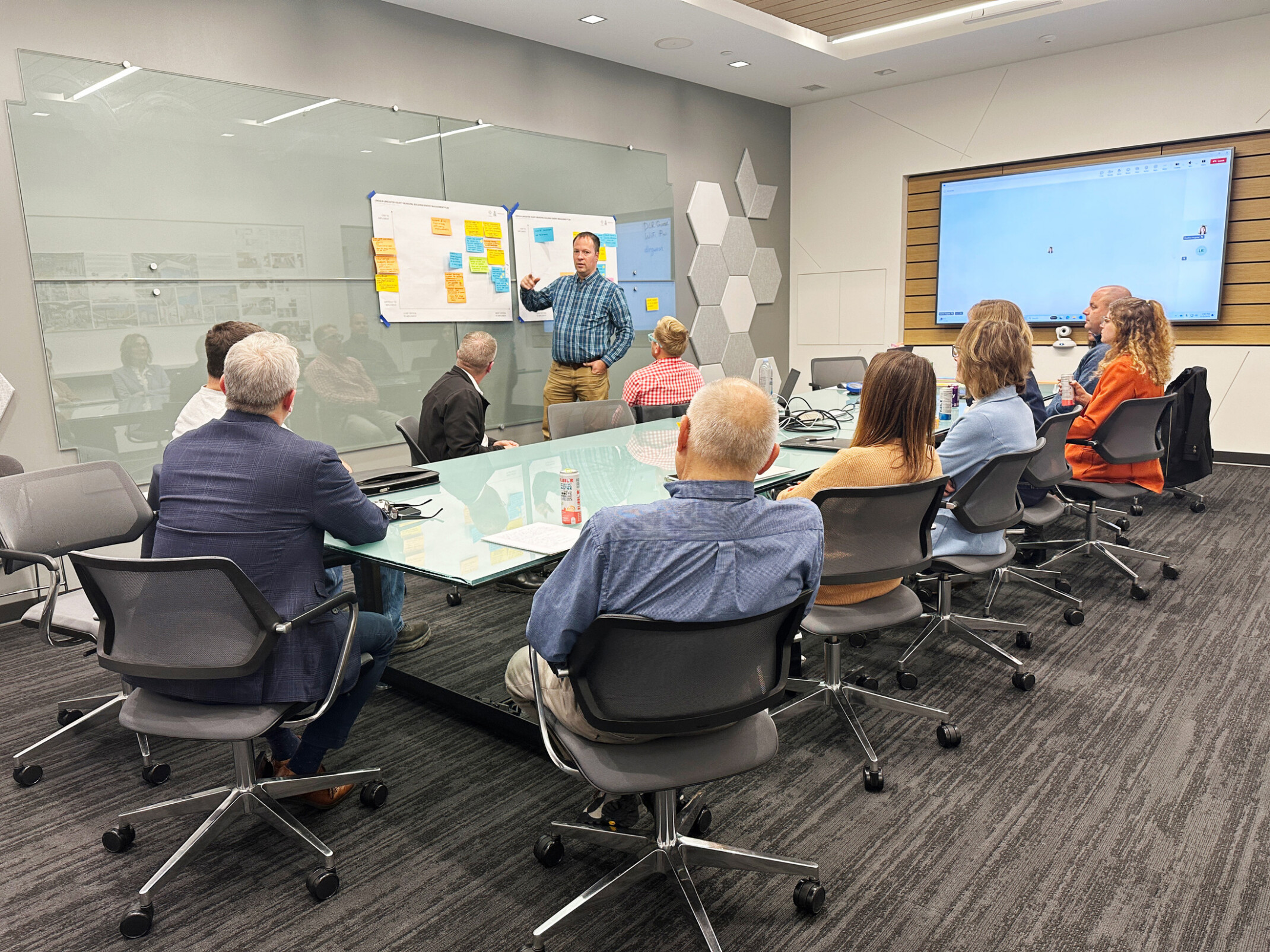
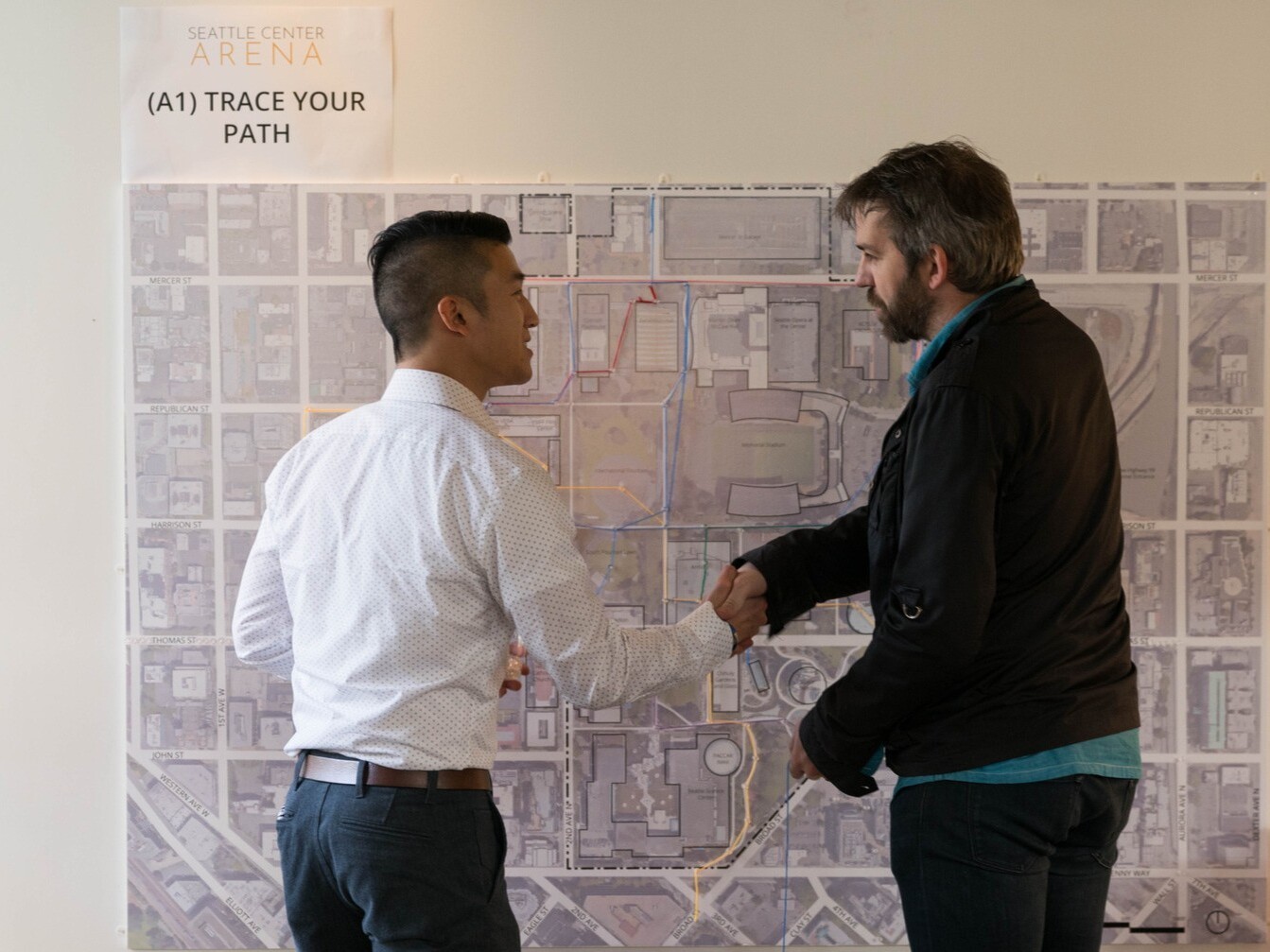
Solution: Meet with the community early, before approval decisions are made, to dispel any sense of secrecy and evasion. Clearly articulate the benefits of adding a data center to their region, documenting any promises to deliver local jobs, support nonprofits, or make improvements to shared spaces. Consider going so far as to sign a community benefit agreement with the municipality, making the benefits a condition of the land use.
Many of these solutions take more planning and ongoing monitoring. That’s a reasonable trade against the alternative: community opposition that can stall approval for months or stop a project altogether. The outcome ultimately depends on the relationships built early, long before ground is broken.
For a deeper look at why community engagement matters for data center projects, read Data Centers: How to Lower the Temperature with Local Engagement.

Ideas
Recommended Reads