Energy Empowerment – Part I: Smarter Energy for Public Projects


Grace Corsi
Planning Leader
Grace is a planning leader for our firm, helping project teams across the firm’s market sectors to make data-informed design decisions with insights from planning tools.
Email 213-204-5277The nation faces more than $1 trillion in deferred infrastructure needs, combined with rising energy demand and pressure to decarbonize. Capital planning can feel endless. Evolving funding sources, tight schedules, and urgent infrastructure needs often eclipse energy considerations.
This article kicks off Energy Empowerment, a series that explores the integration of energy planning into building and community decisions. Across the United States, access to reliable, affordable, and cleaner energy often shapes whether projects advance. As demand rises, scarcity drives up energy costs for everyone, which disproportionately affects communities in need. So, what if we didn’t have to choose between today’s fixes and tomorrow’s goals?
With a different approach, cities, counties, campuses, and districts can shift from reactive maintenance cycles to proactive, intentional investments. Smart planning answers questions like “How can upgrades reduce energy use and long-term maintenance costs?”
Energy Empowerment
The project snapshots below show how public entities are tackling energy with innovative thinking, building a path to a more equitable, resilient, and financially achievable future.
Back to Baseline: Detangling Utility Data to Reach Net Zero
Smart energy decisions begin with a clear starting line. A spatial data approach helped the City of Lincoln and Lancaster County in Nebraska identify and track carbon emissions, creating a springboard for targeted actions and investments.
Like many local governments, Lincoln and Lancaster County set a net-zero emissions target for their public buildings by 2035. Unintegrated data made progress difficult to track: utility bills were inconsistent, meters did not align with facilities, and facility lists conflicted. DLR Group used GIS tools to match 88 buildings to nearly 200 electric and gas meters, then organized years of usage data in an integrated spatial model. The resulting dashboard now calculates baseline carbon emissions, monitors progress, and prioritizes the most impactful projects to reach their 2035 target.
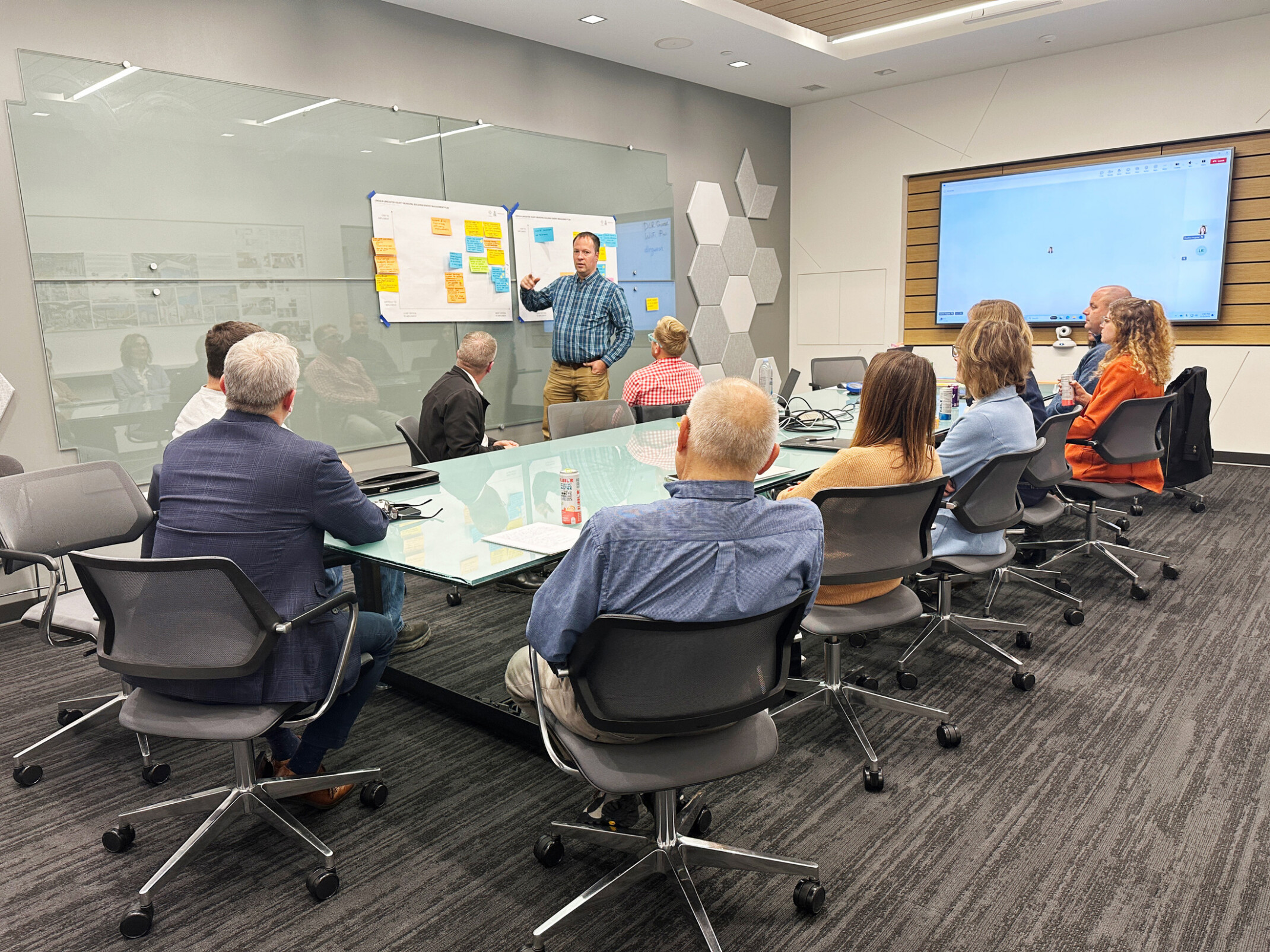
The roadmap pairs capital upgrades with people-first practices that transform how buildings are operated, funded, and maintained. Interdepartmental collaboration with building managers and leaders surfaced opportunities in asset management, equipment replacement cycles, staff training, decision processes, procurement, public education, and more.
FUNDING SOURCE: The Lincoln and Lancaster County Energy Management Plan received support from the Department of Energy’s Energy Efficiency Conservation Block Grant Program.
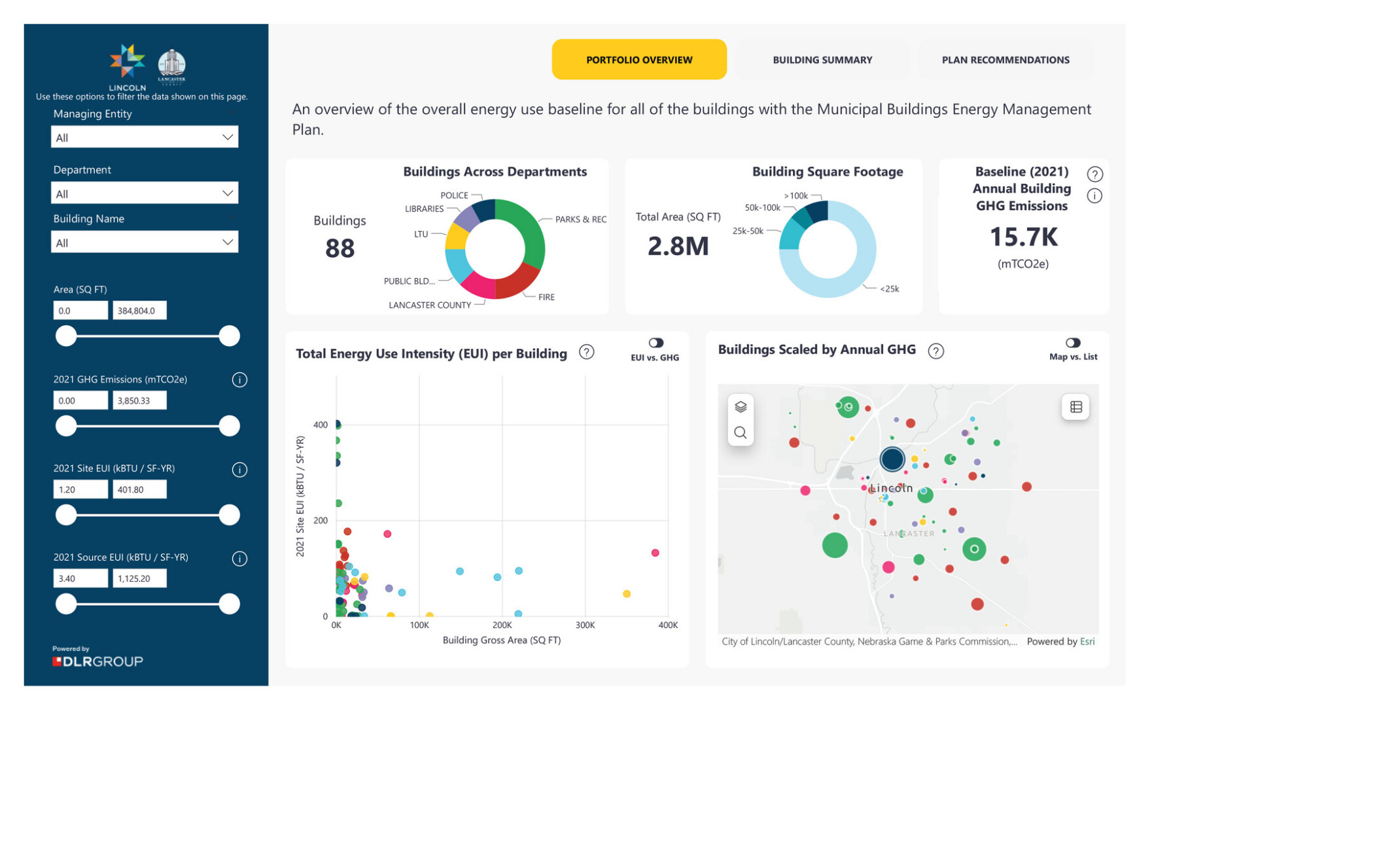
An integrated dashboard helps City and County staff review emissions and prioritize investments across the portfolio of public buildings.

Building energy audits with union members and community college students helped build workforce skills in energy efficiency while identifying factors contributing to energy efficiency in public buildings.
Solutions at Scale: Unlocking Flexible Energy Pathways
Energy matters to every school community. We worked with a large urban school district to develop an energy-focused facility plan targeting a 57 percent reduction in emissions across more than 1,600 buildings citywide.
The plan started with making data valuable. We synthesized millions of data points to help the school district shift from reactive fixes to proactive energy efficiency upgrades. A dashboard rolled up building-level conditions into portfolio-wide intelligence, pinpointing where upgrades can deliver the biggest gains. Users can test thresholds for building envelopes, HVAC, and other systems to compare timelines, costs, and energy reduction impacts.
With more than 1,600 buildings, there’s no single solution for reducing emissions. A dashboard, built on 1.6 million simulations of potential options, powers a flexible framework with multiple routes to the target. Teams can filter options by cost, component, and impact, then adapt as budgets and implementation capacity evolve. The tool removes guesswork by providing choices, so the plan stays useful, not shelf-bound.
This flexible approach supports “yes and” improvements. Leaders can align energy upgrades with educational needs and facility priorities, enabling responsible public spending that preserves room for other community goals.
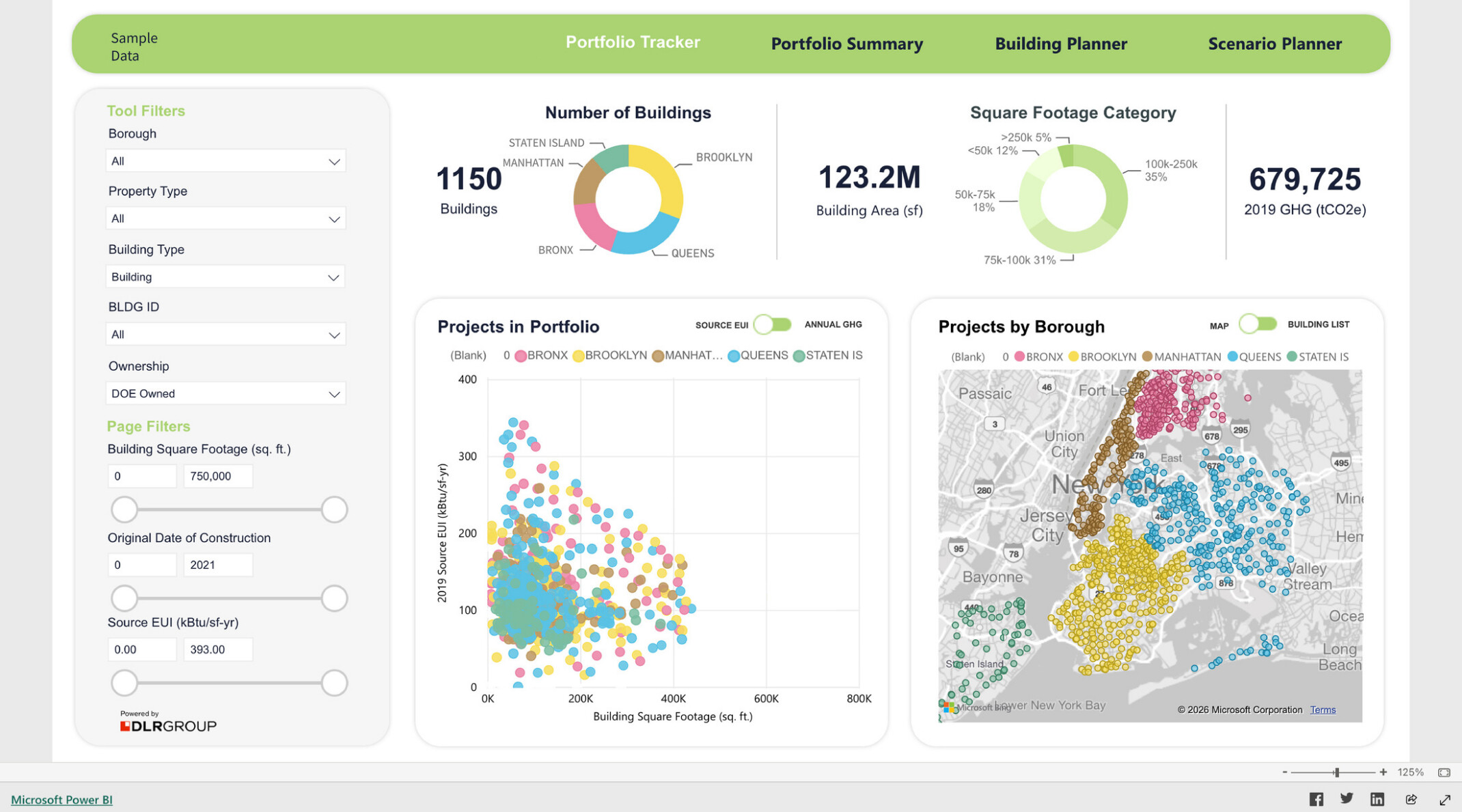
A dashboard summarizes energy use intensity for over 1,600 buildings in a large urban school district’s portfolio, suggesting a flexible framework for implementation.
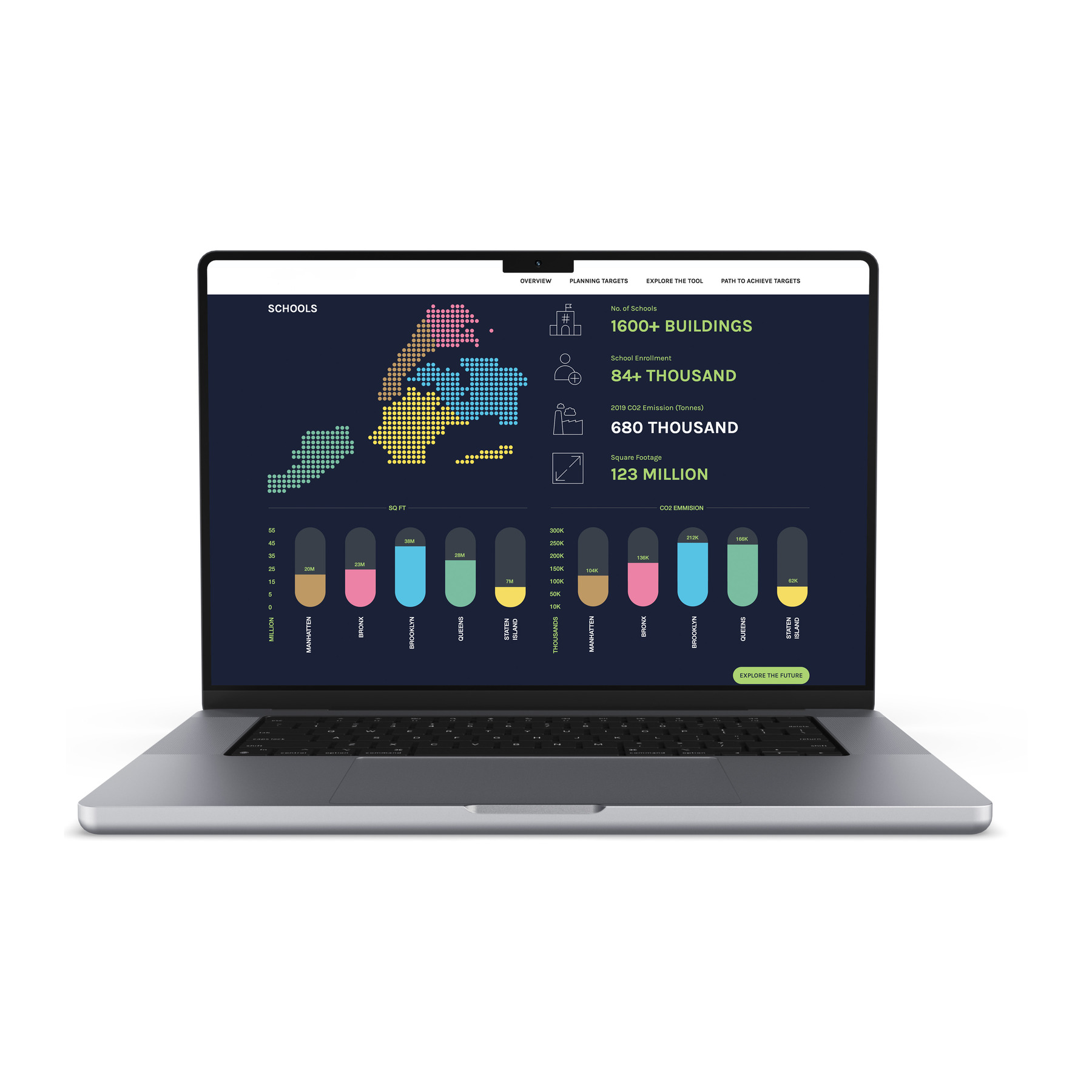
A website helps provide engaging summaries of the plan’s findings, building public awareness about decarbonization.
Energy in Context: A Comprehensive Climate Action Plan
North Orange County Community College District had a plan, efficiency upgrades, and renewable energy projects in motion across its three campuses. But it still needed a unified sustainability vision to align these actions with California Community College Chancellor’s Office requirements and student needs.
DLR Group guided a sustainability and climate action planning process to set holistic strategies that reached beyond compliance. Engagement with diverse voices across campuses surfaced eight unique priorities: decarbonization, ecological balance, waste and consumption, climate and community resilience, space for wellness, basic needs, inclusion and multicultural relevance, and education.
Engagement revealed alignment around energy and decarbonization. Students’ interest in visible renewables matched planned projects, including carport solar and a power purchase agreement. Efficiency measures support comfort for students and staff. Facility upgrades integrate with campus plan projects, are prioritized using the energy management dashboard developed for the district, and create hands-on learning opportunities for sustainability education.
By pairing data with authentic engagement, the plan advances infrastructure, learning environments, and community value.
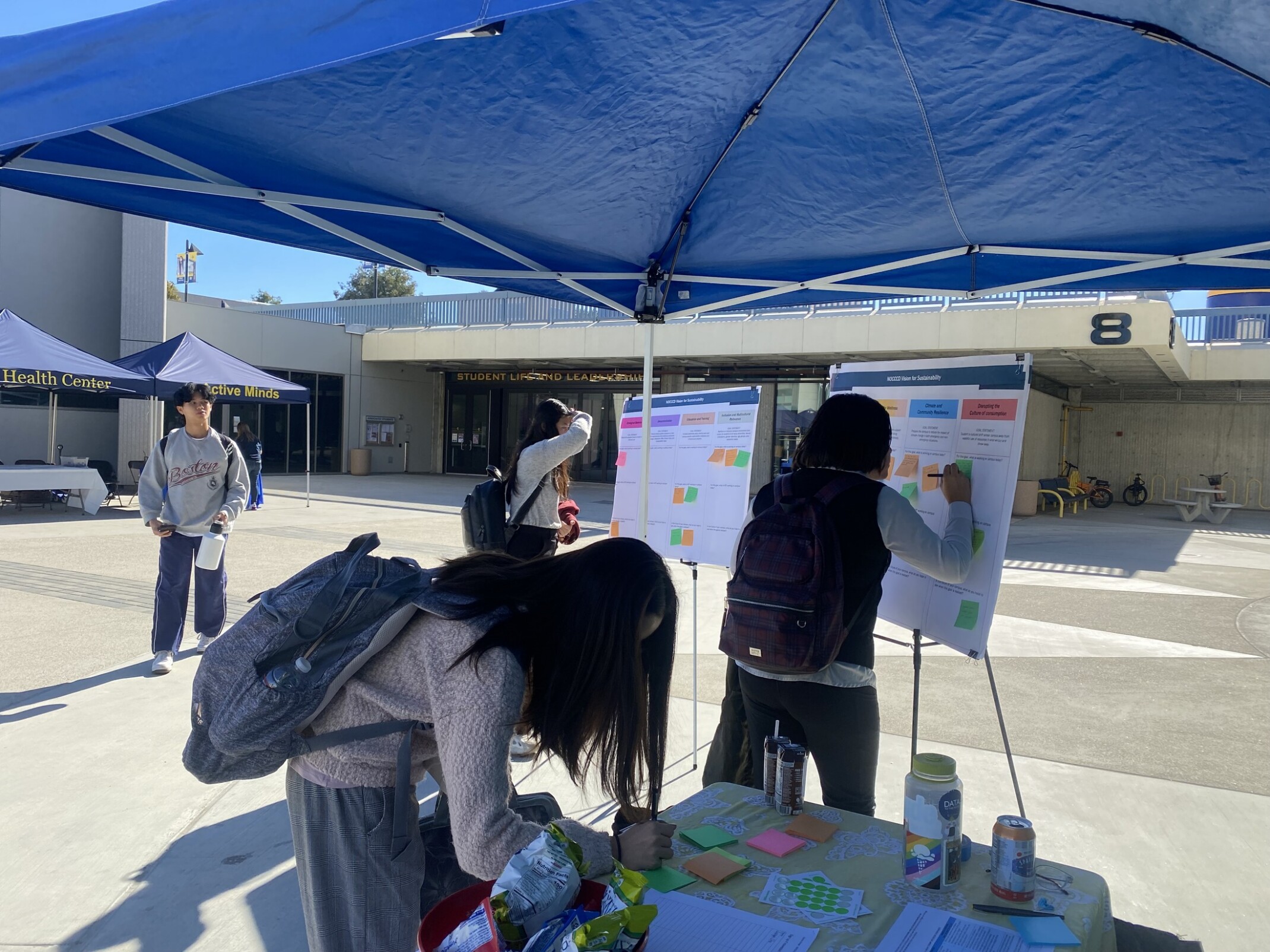
Students shared their priorities and aspirations related to sustainability, highlighting the importance of basic needs and supportive services in an intersectional sustainability approach.
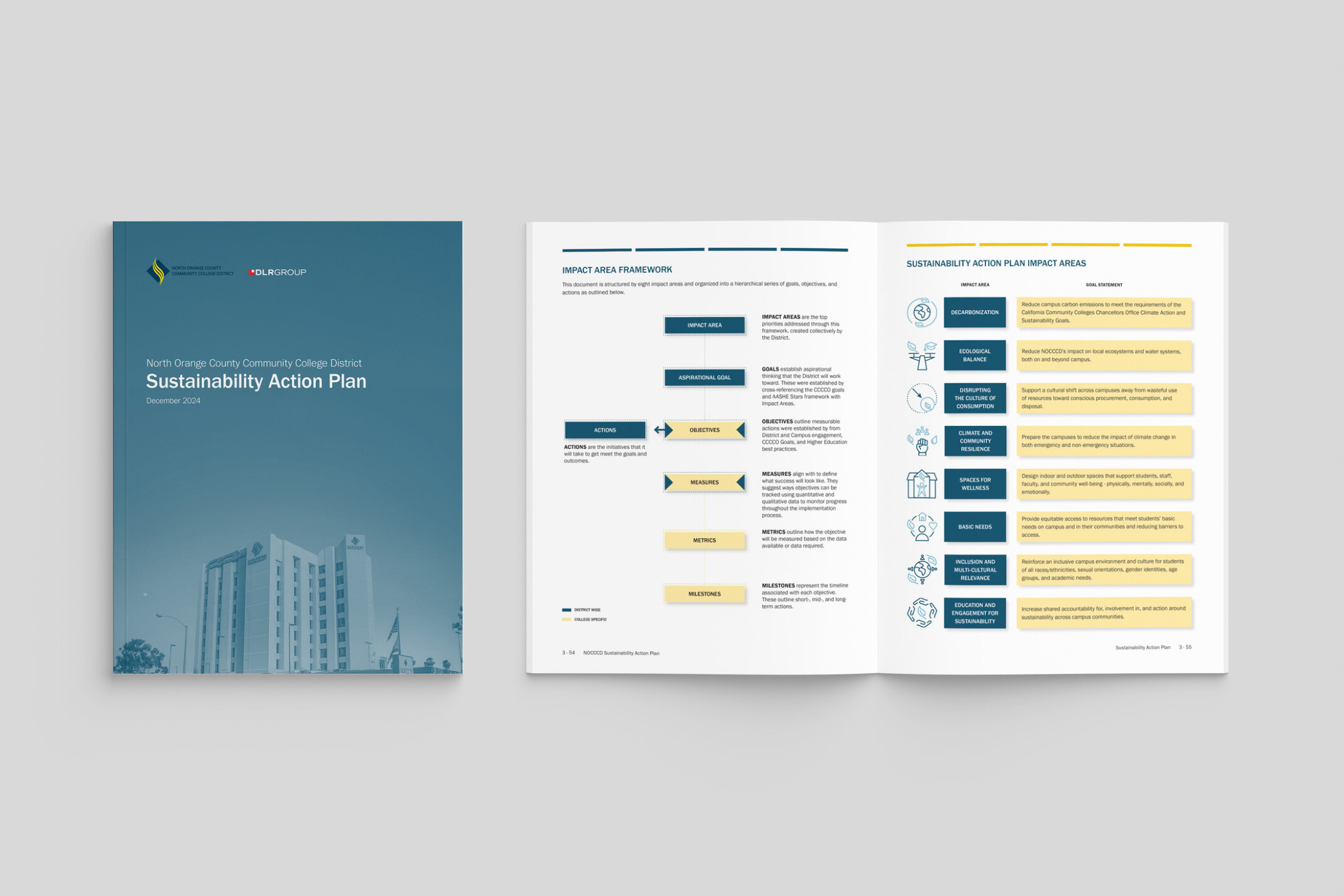
Engagement directly informed the Sustainability Action Plan’s eight goal areas.
Continuing the Conversation
Interested in how you can incorporate energy solutions into your planning or design project? Here are a few questions you can ask your team to keep the conversation going:
- “How can I establish a clear baseline carbon measurement?”
- “What are the fastest, low-cost ways to cut energy use?”
- “What funding sources fit my near-term and long-term goals?”
- “How can energy-smart thinking become part of daily decisions?”
- “Where can energy solutions create co-benefits for organizations and the communities they serve?”
Stay tuned for the next part on Energy Empowerment, exploring community-driven strategies for planning success.
Learn more about DLR Group’s approaches to renewable energy, disaster recovery, and planning.
Ideas
Recommended Reads