A Designer’s Guide to Career and Technical Education
Vanessa Schutte
AIA, ALEP
K-12 Education Leader
Vanessa is a K-12 designer who focuses her energy and passions on the design intent of what her clients want and need.
Email 402-972-4050The most impactful schools are those designed not only for today’s needs, but for tomorrow’s opportunities. In career and technical education, adaptable learning environments, future-ready learners, and strong community relationships are shaping a new model for what successful career-readiness looks like. Together, they create powerful learning ecosystems that respond to evolving workforce expectations, the need for connections between education and industry, and unlock the potential for greater opportunities for students and communities alike.
Advancing CTE Through Adaptive Reuse
Across every industry, workforce needs are changing faster than ever. Educational spaces must be able to support new programs, emerging technologies, and new approaches to teaching. CTE-focused programming prepares students for this future. The environments in which they learn must do the same.
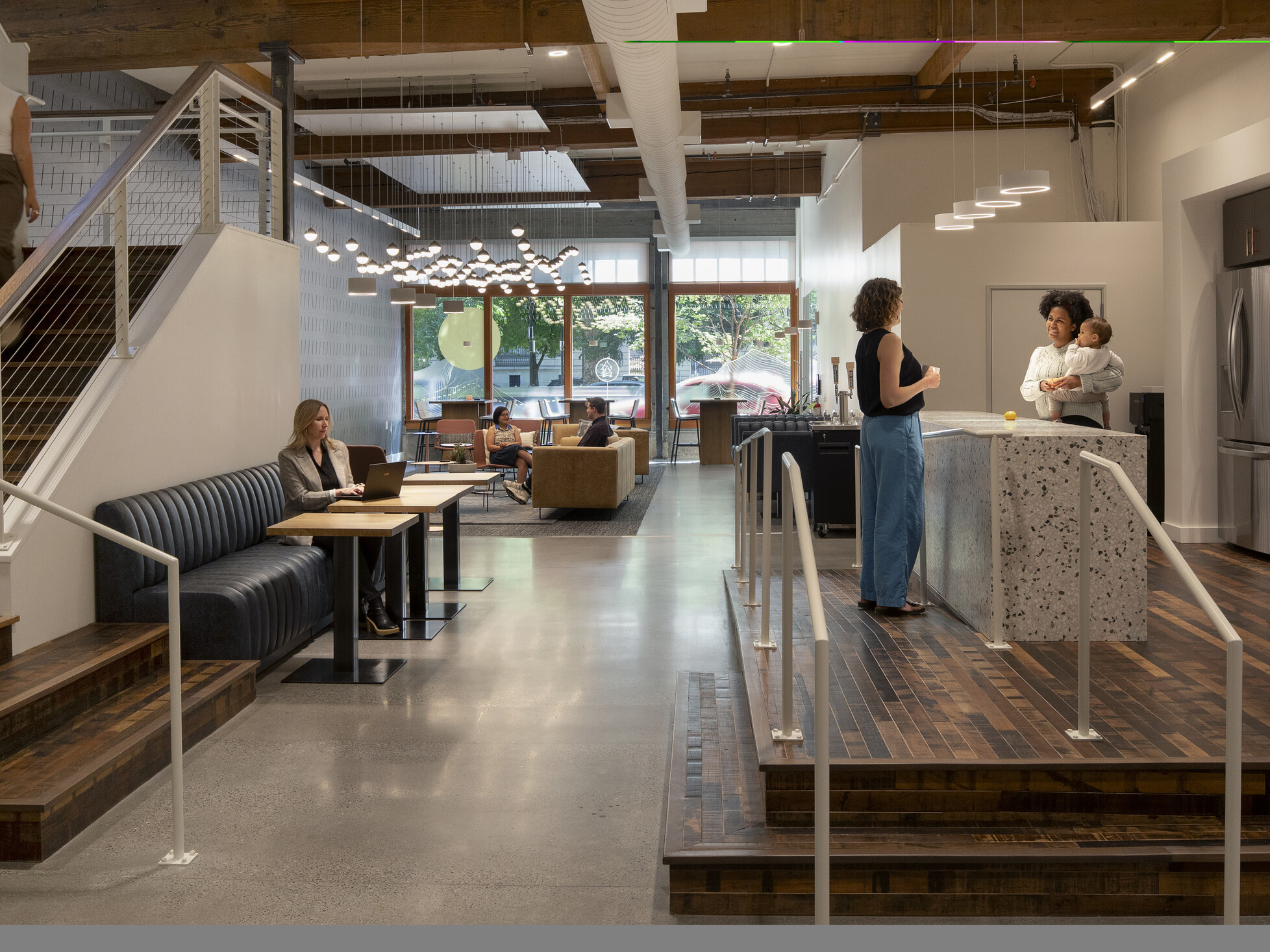
Adaptive reuse is a tool we’re leveraging with districts around the country to provide these programs in an efficient and fiscally responsible way. Existing buildings offer the flexibility needed to accommodate changing workforce demands without the cost and waste of new construction. Open floor plans, exposed structural systems, and adaptable layouts foster hands-on learning, collaboration, and real-world problem solving. An adaptive reuse project can cost 33% less than new construction, allowing schools to invest more resources in the curriculum, technology, and equipment that directly supports student success while also reducing environmental impact.
Beyond the school itself, adaptive reuse creates a lasting community impact. Buildings that once stood underutilized and generated little community benefit are transformed into vibrant centers of innovation, learning, and opportunity. By turning a net negative into a net positive, these projects revitalize neighborhoods, stimulate economic growth, and create enduring spaces that empower future generations of innovators.
Our work at Ottumwa Career Campus demonstrates the power of this model. A vacant historic building on a prominent lot in the town’s downtown district was transformed into a modern center for CTE. Designed to support a variety of learning experiences, the campus encourages visibility, flexibility, and engagement. Glass garage doors open lab spaces to showcase learning, while a pocket park brings instruction outdoors. Multifunctional environments easily transform from daytime classrooms to evening learning venues, maximizing use and adaptability. The campus is built to shape industry, not react to it.
Design Driven by Workforce Demand
Today’s learners are preparing for a workforce defined by constant change. Through hands-on, career-focused learning, they develop the technical knowledge, critical thinking, and adaptability needed to succeed in any field.
The built environment must respond to this. CTE extends beyond traditional classroom instruction, creating learning opportunities that mirror the expectations, standards, and pace of the workplace. Students engage with field-specific technologies and equipment while gaining firsthand exposure to professional environments. By intentionally aligning education with industry, CTE bridges the gap between learning and work, ensuring students develop both technical proficiency and professional confidence.
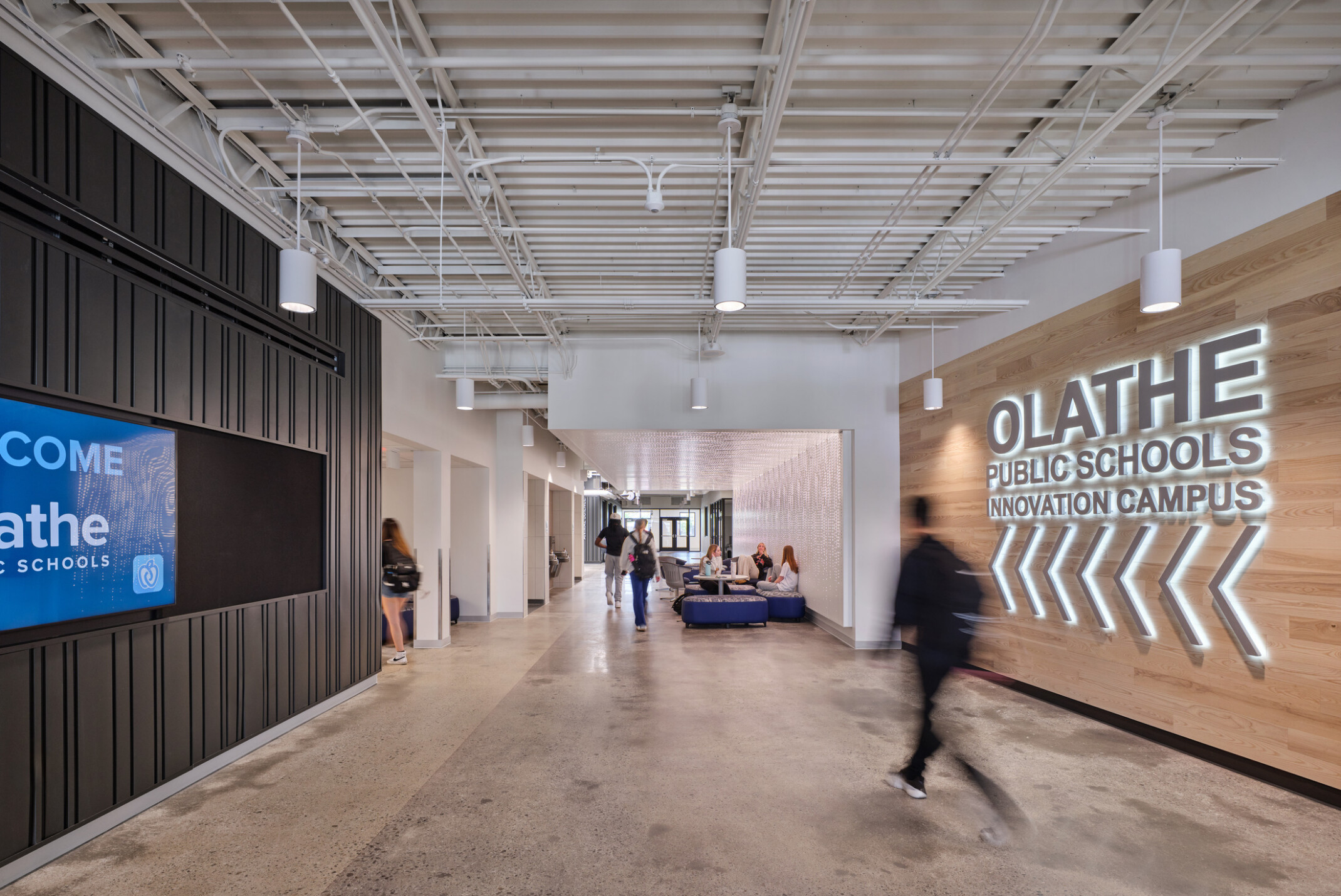
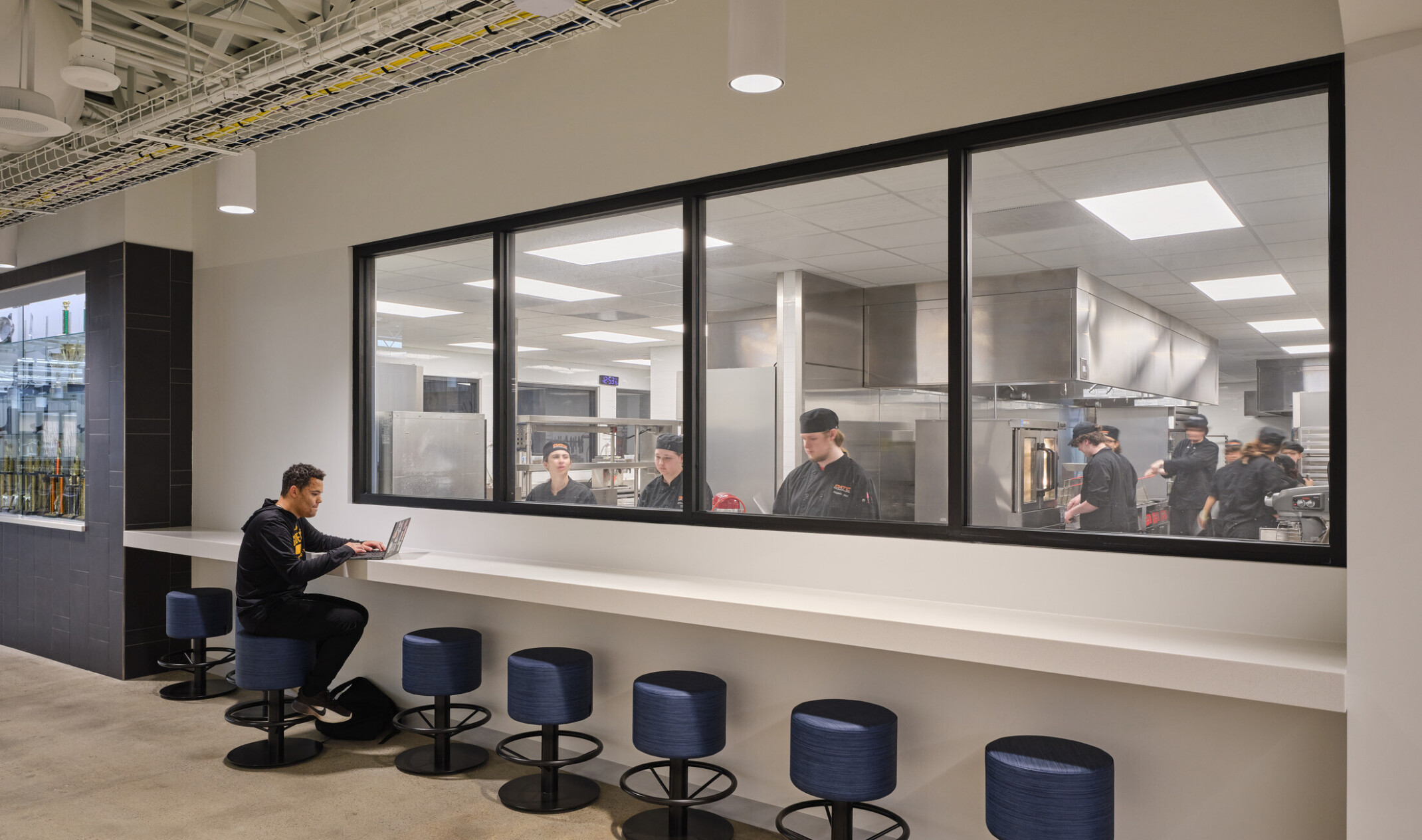
Olathe Innovation Campus, is another example of adaptive reuse design. What once operated as a call center now supports the next generation of industry leaders. Here, students learn in a facility tailored to the unique demands of CTE learners. Repurposing the building’s expansive floor plan allowed the design to integrate flexible, multi-use environments that accommodate a diverse range of collaborative spaces fostering interaction across disciplines, while transparent classrooms and workspaces make learning visible and expose students to programs and career paths they might not otherwise encounter.
These integrated pathways provide opportunities to engage with multiple industries, from culinary arts and cosmetology to science and healthcare. Here, students can effectively window-shop their future to discover what interests and drives them.
Open Door to the Community
The most impactful CTE facilities are woven into the fabric of their communities. When students engage with local businesses, industry leaders, and community members, learning becomes more meaningful and more tangible. The classroom expands beyond four walls, giving students a direct connection to the people and organizations they hope to contribute to.
This transitive open-door model strengthens relationships between education and industry. Students gain firsthand experience and a stronger understanding of professional expectations through mentorship and early career opportunities. At the same time, community partners help shape their future workforce while building connections with a pipeline of emerging talent.
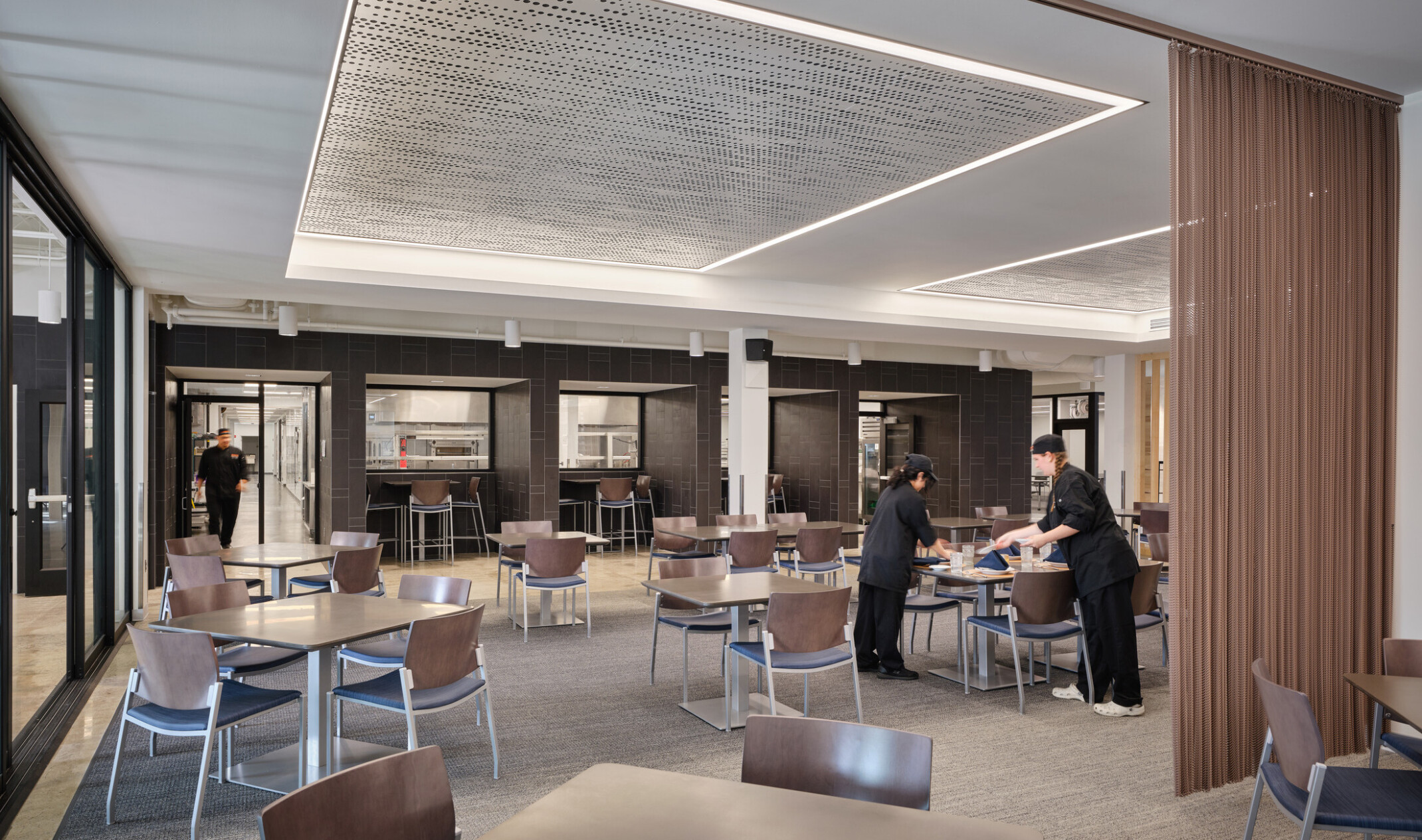
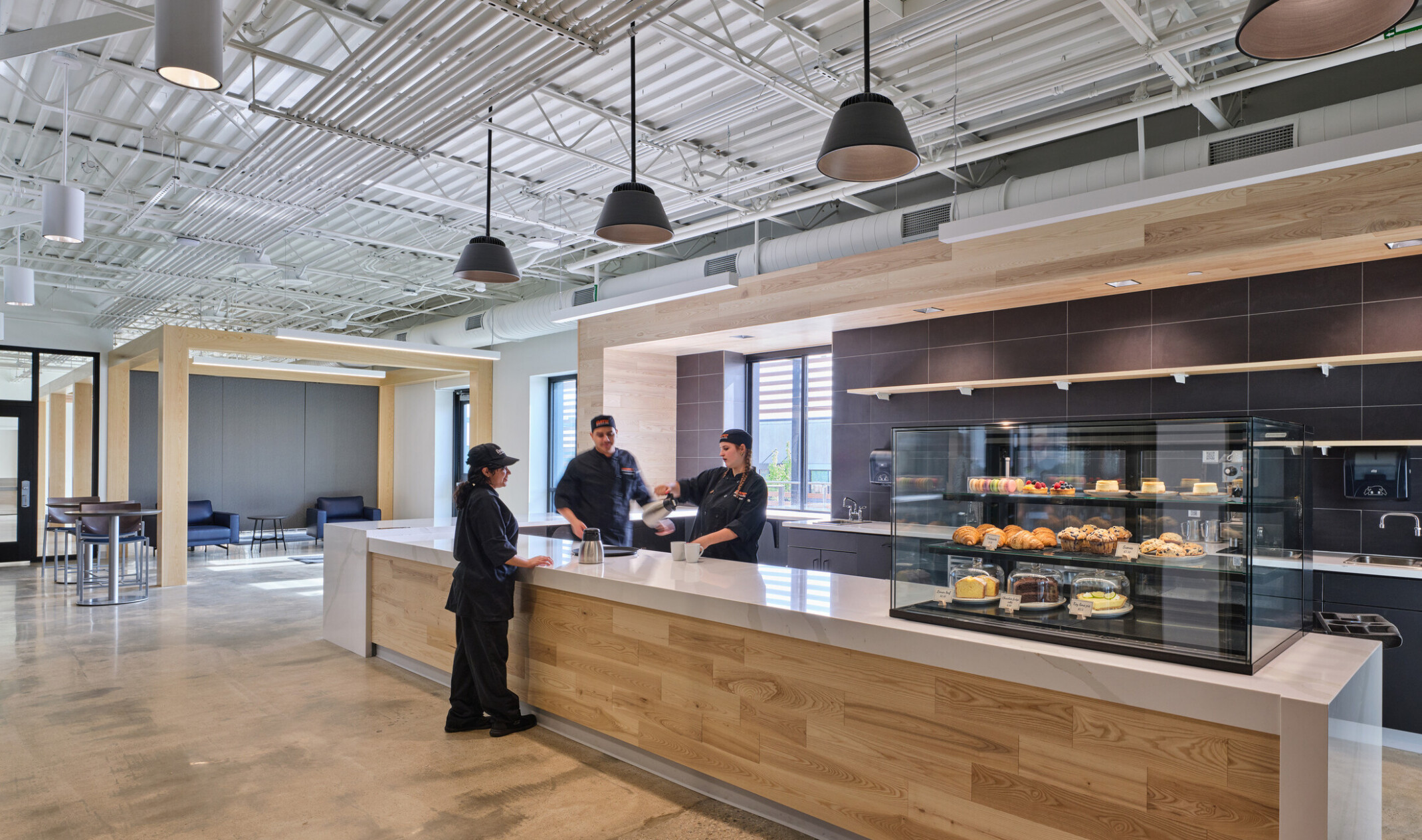
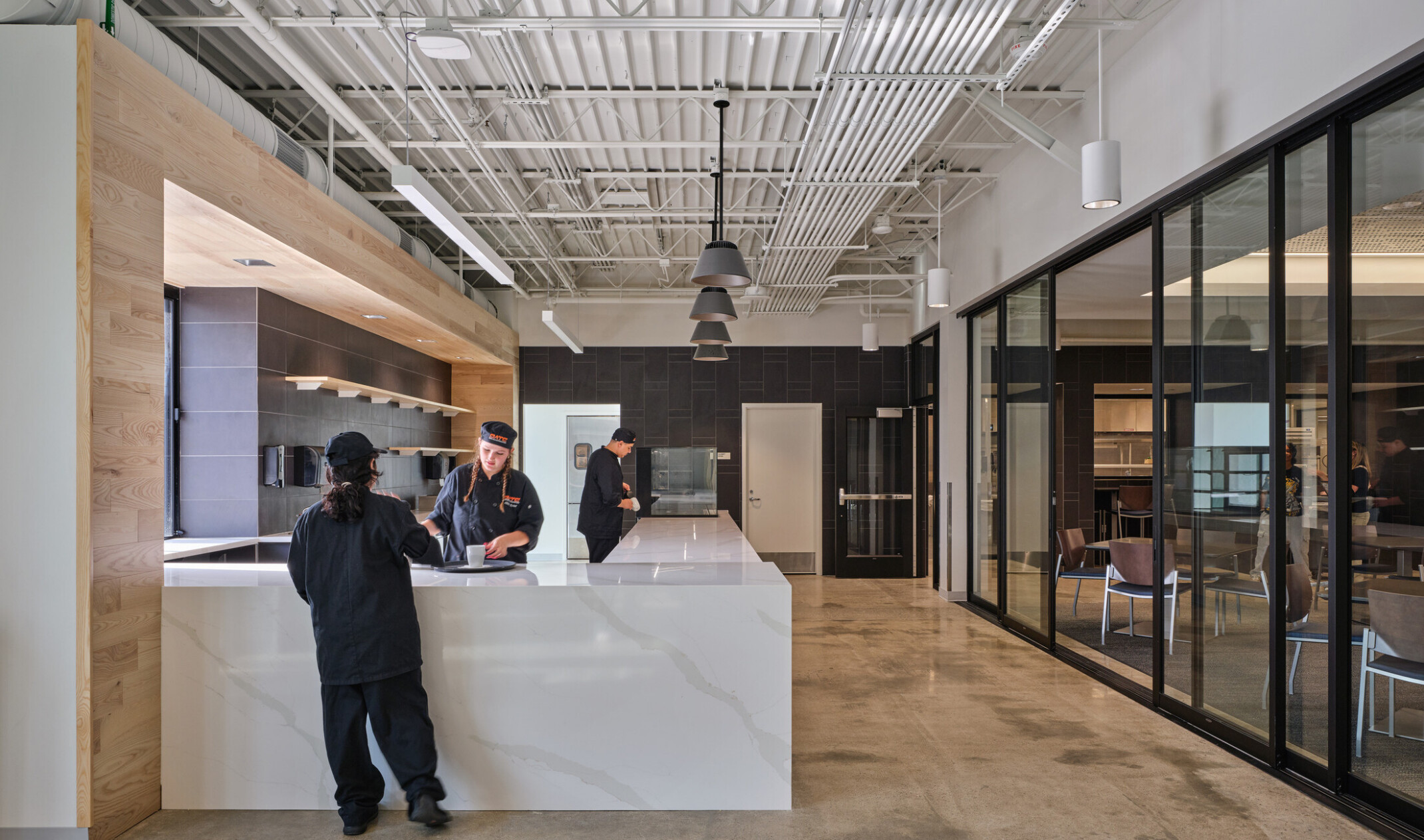
At Olathe Innovation Campus, students engage with notable industry partners such as Google and USAA, as well as prominent organizations located near campus, including Garmin and AdventHealth. Culinary arts students at Olathe Innovation Campus and Ottumwa Career Campus have everyday opportunities to serve real customers of the surrounding community through operating coffee shops and restaurants on campus. This exposure builds confidence, strengthens technical skills, and turns teachable moments into real-world application.
We’re answering the demands of school districts and communities around the world. Students need environments that foster lifelong learning, while industry leaders seek a better prepared workforce. By leveraging adaptive reuse, districts are not only able to deliver learning environments more quickly and cost-effectively but also unlock the potential of existing spaces to serve future generations and build stronger community relationships.
Discover the educational spaces that are fueling today’s learner and driving the workforce of tomorrow.
Ideas
Recommended Reads