Designing Interiors People Feel, Not Just See
Bianca Van Der Merwe
Middle East Design Director
Bianca is a design director, leading interior design services in the Middle East.
Email +971 4 568 7742Early in my career, I designed a workplace reception meant to turn heads: glossy finishes, bold art, a dramatic light fitting. It photographed beautifully. Then came the staff feedback: the space felt cold and intimidating. The visual drama was there, but the emotional resonance was not.
That experience changed how I work. Now, before selecting a single finish, I ask who will use this space, what they need, and how we want them to feel when they enter and when they leave. What looks impressive in a rendering can be exactly what alienates people in real life.
Beauty is fundamental to good design, but it is no longer enough on its own. The spaces that stay with us have a story, evoke a reaction, and shape how we behave, often without our noticing. Designing for emotion means asking harder questions, under real constraints of budget, code, and competing priorities.
The Feeling Behind the Finish
People rarely remember a space for its deep veined marble or perfectly detailed joinery. What stays with them is how an environment made them feel: the calm of a hotel lobby after a long journey, the ease of a restaurant that invites conversation, the sense of belonging in a workplace built for connection.
These emotional responses are never accidental. They are intentionally crafted through the orchestration of space, scale, light, acoustics, texture, and color, and one question should guide every decision: how do we want people to feel? The answer is rarely the same for every user. In one hotel, international guests craved a sense of local authenticity, while business travelers wanted privacy and efficiency. There is no one-size-fits-all emotional target, and design has to mediate competing needs.
Real Life Examples
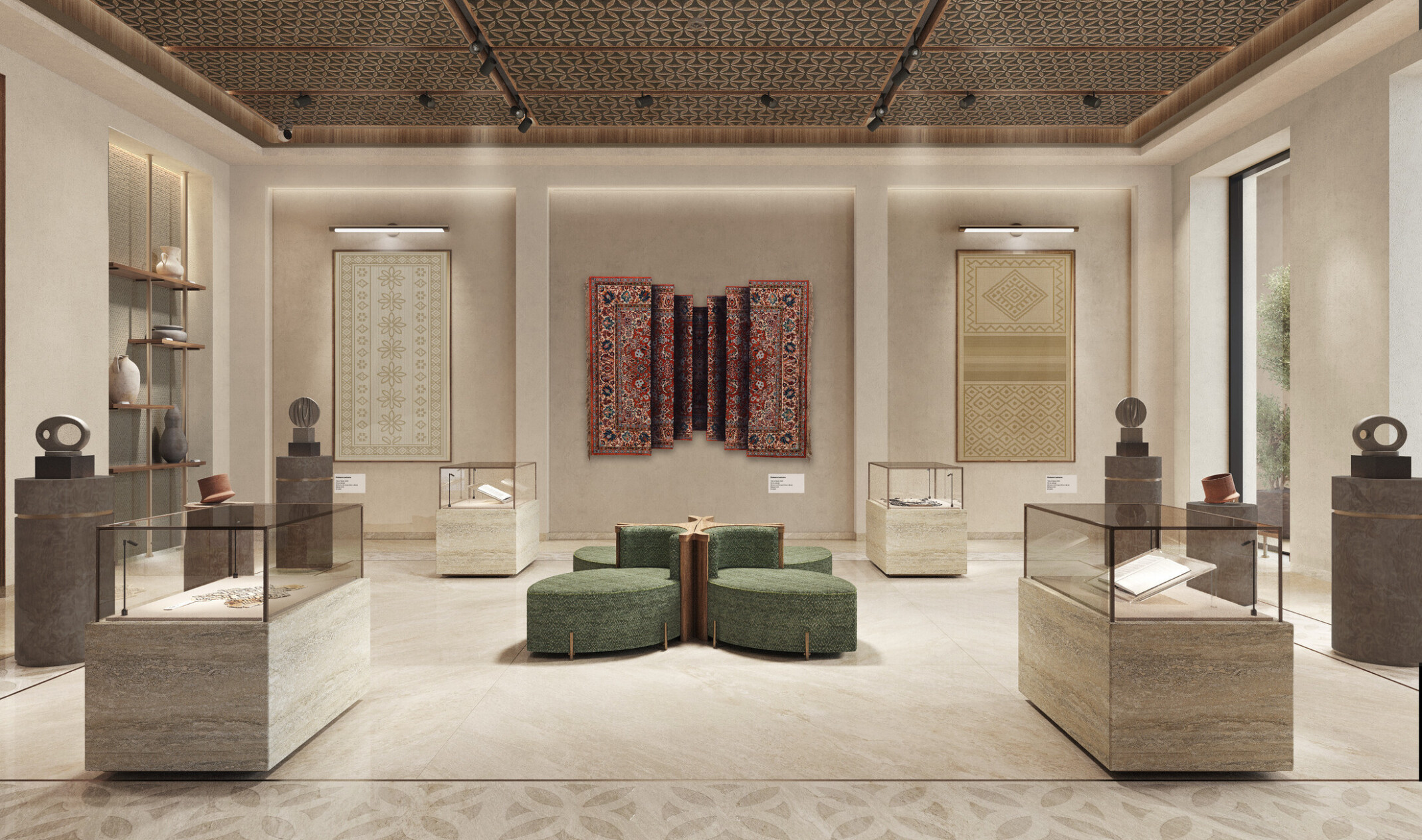
In a boutique hotel, we created an in-house museum experience: intuitive wayfinding through curated corridors of rotating local artwork, calming color palettes drawn from the surrounding landscape, and tactile displays encouraging hands-on exploration transformed common areas into immersive, memorable spaces that invited guests to linger and connect with local culture.
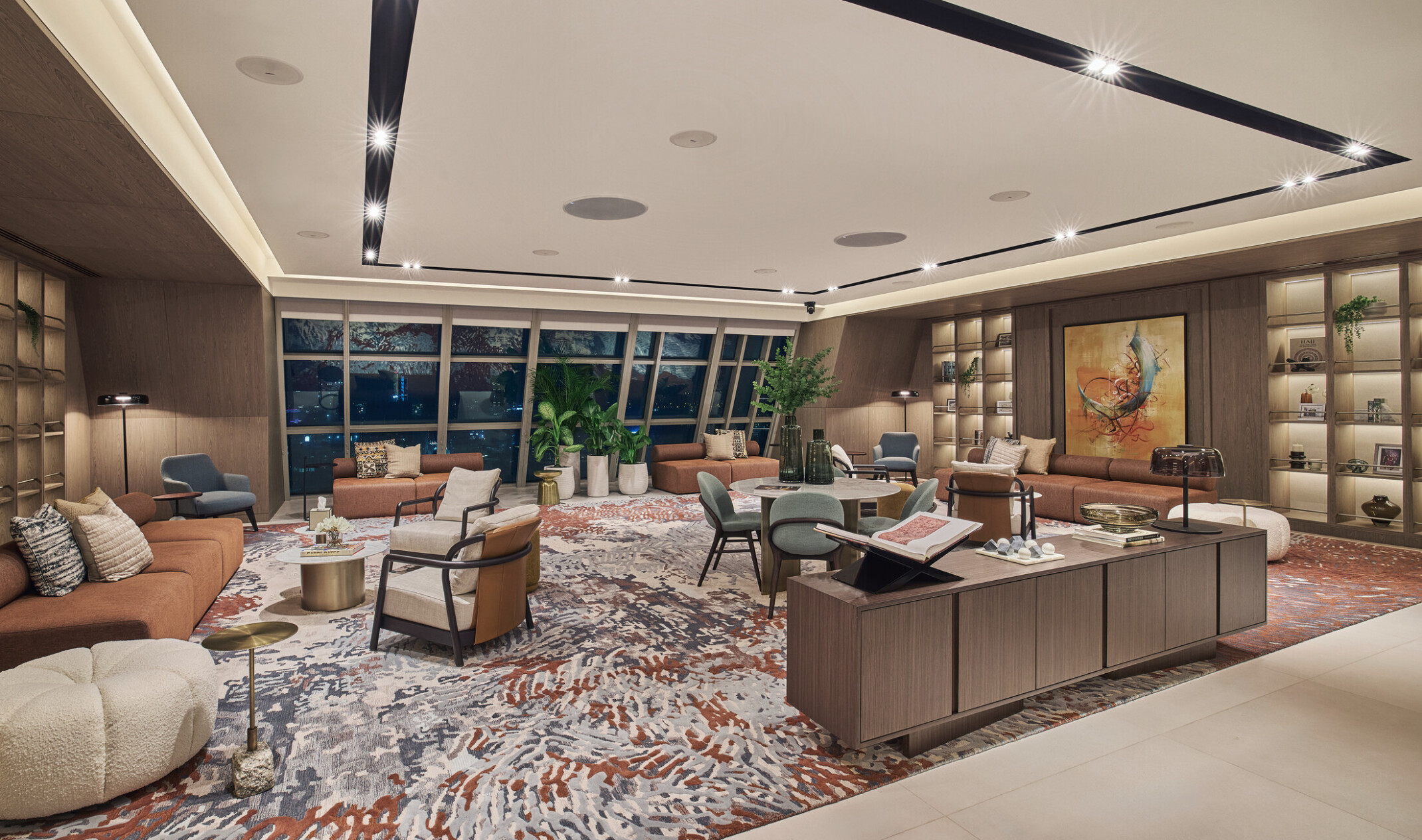
In our own studio in Dubai, we shaped a central corridor into a discovery pathway: pools of light shift in tone and intensity as you move through it, plantings soften the transitions between zones, and each breakout space carries its own quiet layer of sound. Colleagues who used to cut straight through started stopping there instead, drawn in by a corner that felt different from the one before it.
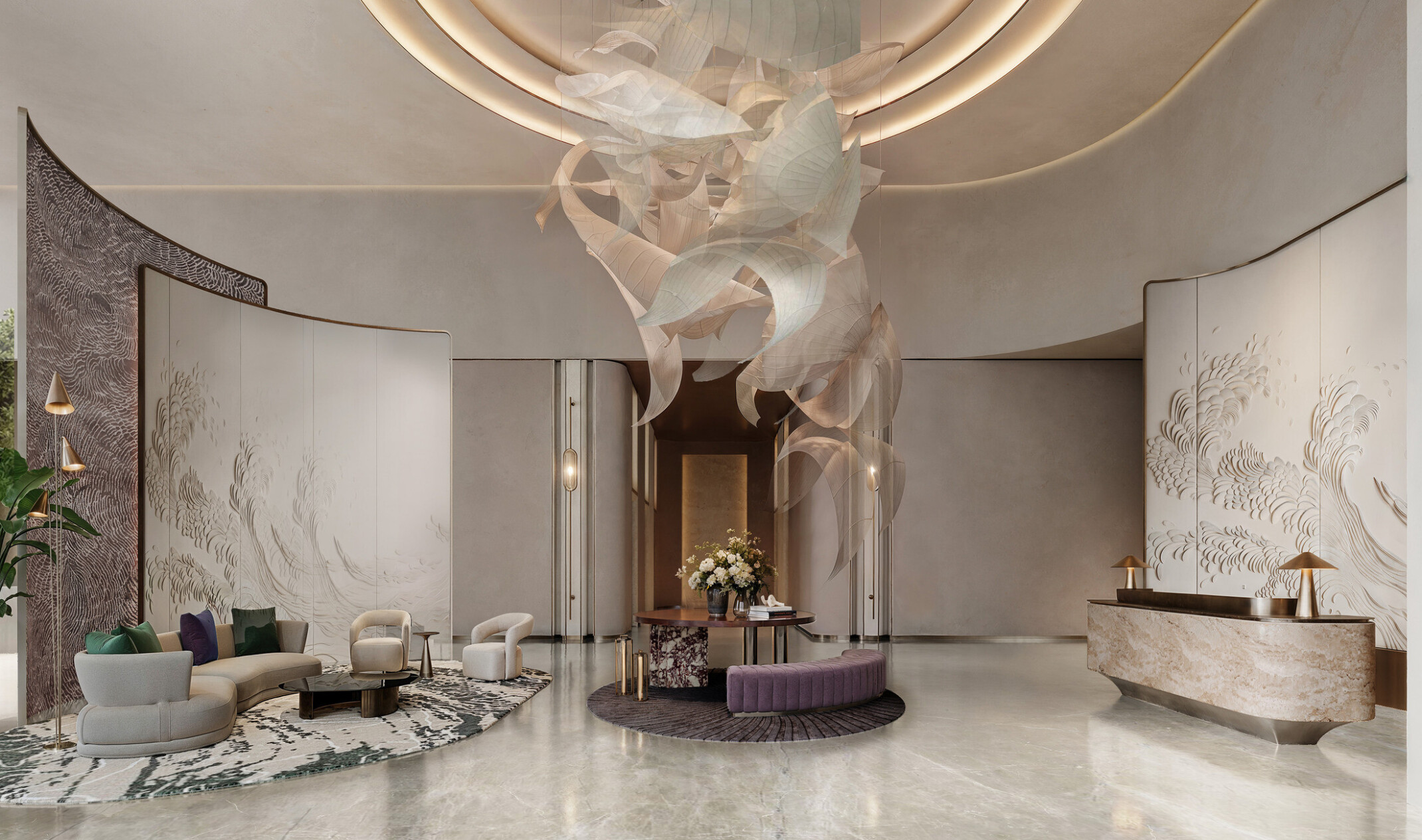
In a residential lobby, a client’s desire for peacefulness shaped every decision. Instead of starting with furniture, we studied how daylight moved through the space, positioned seating to catch the morning sun, and filtered afternoon glare with sheer curtains. Travertine floors, natural upholstery, and materials responded to the changing light throughout the day.
What links these examples isn’t perfection. It is iteration, humility, and a willingness to listen. Our first instincts are sometimes wrong, and what a client wants is not always what they need. Emotional design takes patience. The right answer isn’t always the fast one, or the obvious one. The real work is in the dialogue, the post-occupancy walk-through, and the willingness to adapt.
Color is an Emotional Language
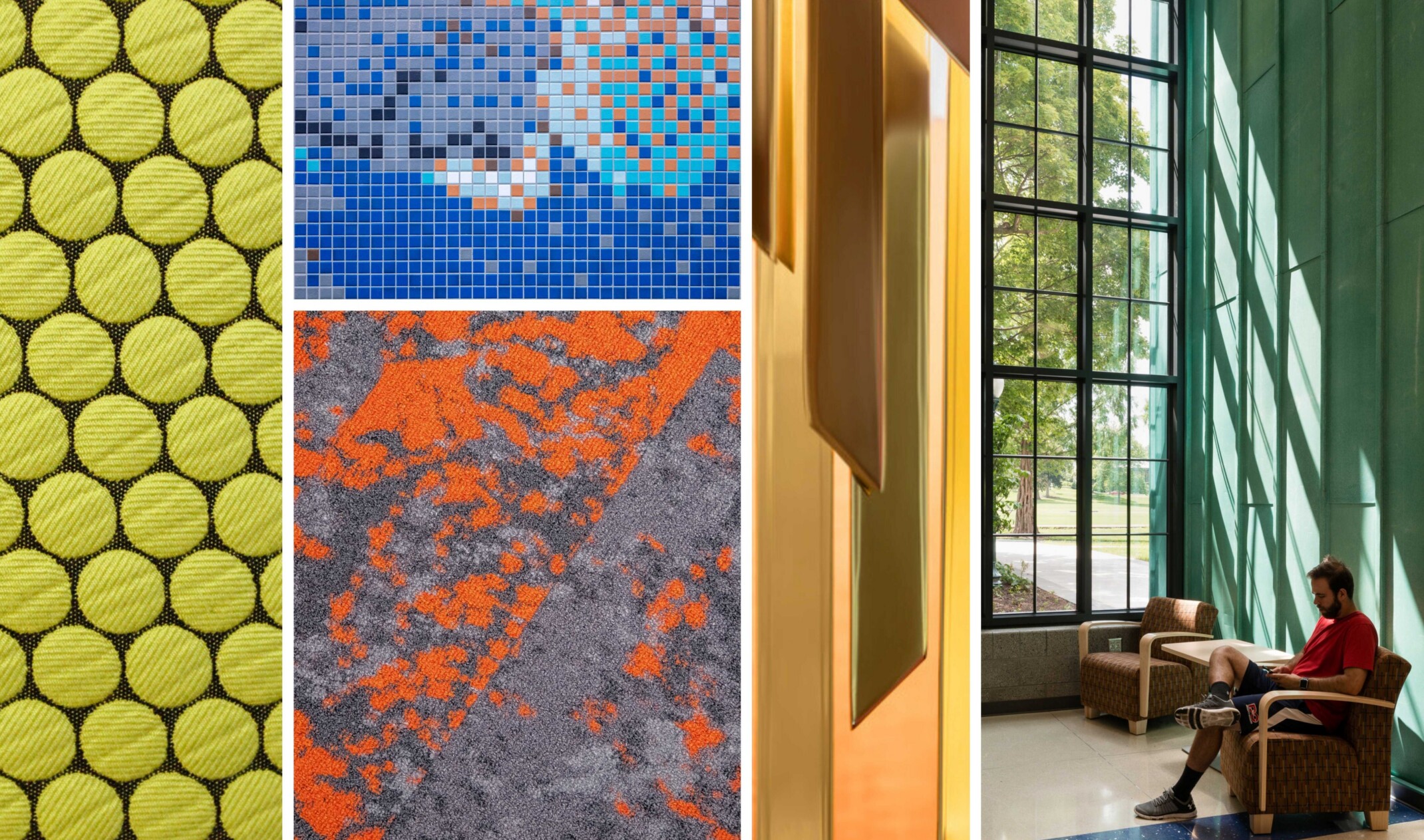
Color communicates before a word is spoken. It energizes, calms, inspires confidence, or encourages reflection, and it shapes how we perceive temperature, space, and the passage of time.
Science supports this connection: research published in Frontiers in Psychology has linked exposure to natural environments with reduced anxiety and physiological stress, while experimental studies have found that exposure to green colored environments can significantly lower heart rate.
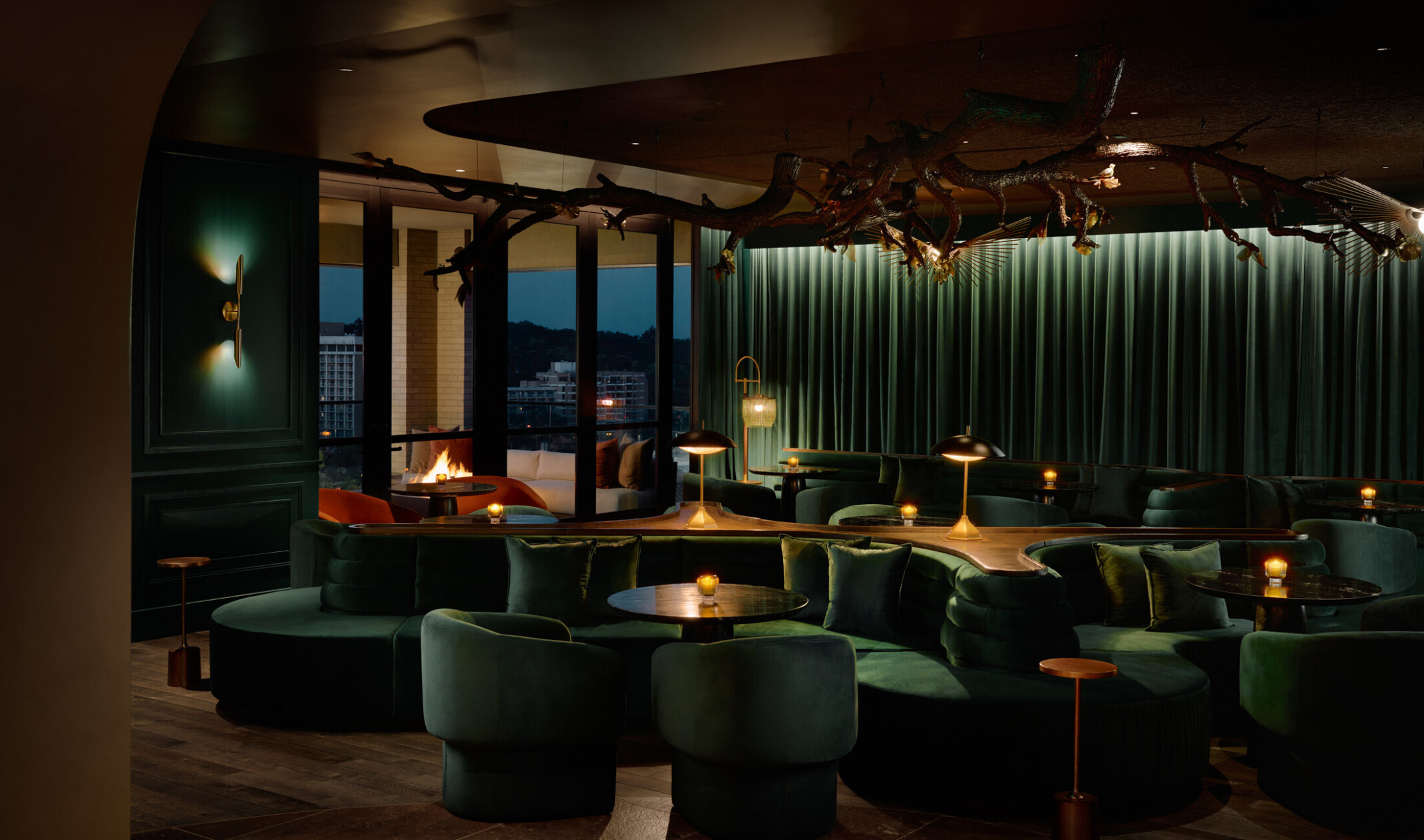
Deep greens reconnect us with nature and earth tones create comfort, and soft blues reduce stress. Color never works alone. It interacts with daylight, artificial lighting, materiality, and texture to create a complete sensory experience. The best palettes rarely demand attention. Instead, they quietly support the emotional narrative of a space.
Designing Moments, Creating Memories
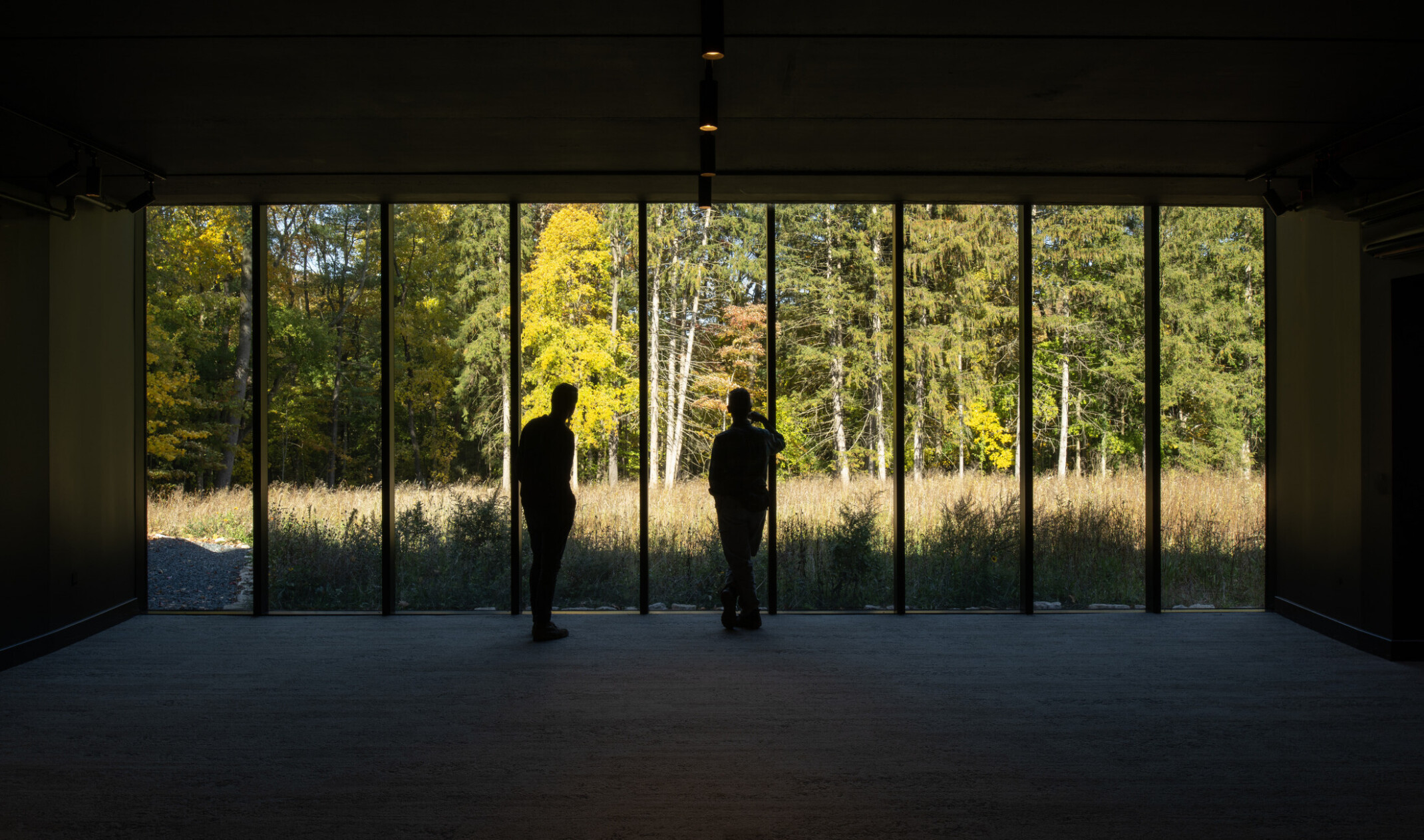
The most rewarding aspects of design is creating moments that people carry with them: an unforgettable staircase, and more often, it’s something quieter like morning sunlight on stone, the warmth of a handcrafted materials, a framed view that invites pause. Drama gets photographs. Quiet moments get remembered.
Emotional design is often mistaken for pure instinct. In truth, it’s a discipline built from psychology, sociology, and negotiation. The most successful projects are rarely the most expensive or the most photographed. They are the ones where designers, clients, and users co-create something that feels right, even if it does not chase the latest trend.
Sometimes, the most meaningful spaces are the most modest: a quiet booth in a bustling restaurant, a sunlit desk by a window, a hallway that encourages a moment of pause.
The real shift in our profession is moving from “What will look impressive?” to “How will this make someone feel?” That question demands empathy. Understanding different cultures, behaviors, routines, and emotional needs so a space feels authentic rather than prescribed.
Neuroscience, sustainability, and digital technology will keep expanding what emotional design can do, from lighting that adjusts to mood to workplaces built around focus wellbeing. None of this replaces the basics: listen, test, adapt, repeat.
Years later, people rarely describe the color on the walls or the furniture specification. They remember how that place made them feel. And that is the true measure of successful design.
Check out more of our work from our Dubai studio.

Ideas
Recommended Reads